
What to See in Lisbon?
Our 22 Top Lisbon Must-Sees
Latest update: June 15, 2023
In a nutshell: Our favorite Lisbon highlights
- Lisbon, with its blue and white azulejos and beautiful fado music, is one of our top picks for a city trip in Europe.
- Must-see sights in Lisbon include Tram Line 28E, Praça do Comércio, and the countless lookout points.
- Cool neighborhoods in Lisbon include the historic Alfama district, the nightlife hub Bairro Alto, and Belém with its historic monuments.
- In addition to the sights in Lisbon, be sure to try Pastéis de Nata, wander around LX Factory, and eat at Time Out Market.
- Great day trip options from Lisbon include the cities of Sintra and Cascais, or one of the many beautiful beaches near Lisbon.
That’s a quick overview of our Lisbon highlights. In our article, we will go into more detail on the 22 best sights in Lisbon.
What to see in Lisbon in 3 days?
What to see in Lisbon if you only have a few days to explore the city? Lisbon has so much to offer, but for visitors with limited time, these are the top Lisbon sights that can be easily explored in one weekend.
- Take a ride on Tram 28E
- Enjoy the view from a Miradouro
- Praça do Comércio
- Check out the unique elevators – our pick: Elevador de Santa Justa
- Stroll through Alfama and take in the view from Castelo de São Jorge
- Eat at Time Out Market at least once
- Take a half-day trip to Bélem
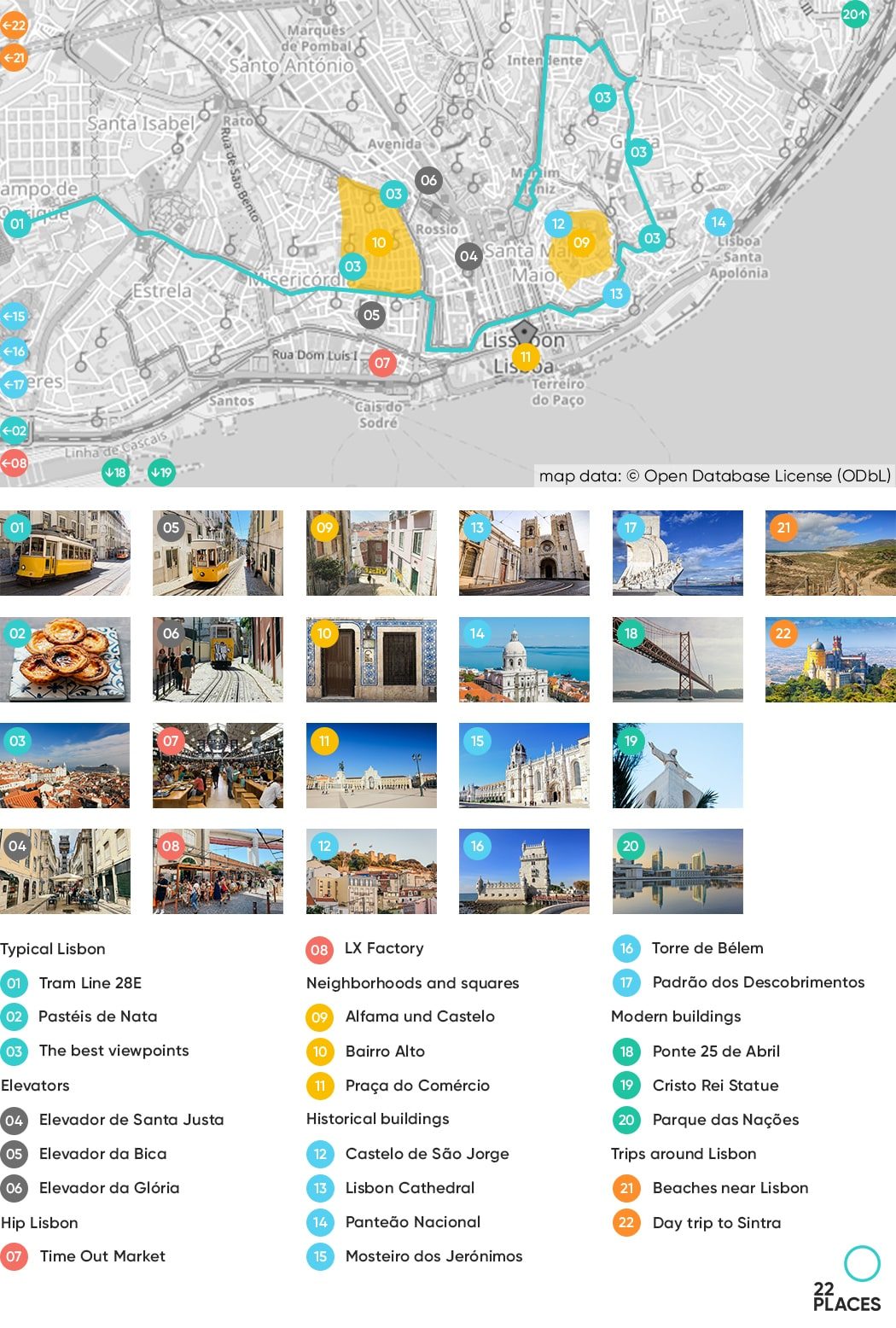
All Lisbon sights on a map
So you can get a quick lay of the land, we made a map showing our 22 must-see spots in Lisbon.
Download Lisbon’s attractions map for easy access
The Tram Line 28E

Taking a ride on the famous Tram 28E is a must for your Lisbon sightseeing itinerary! The yellow cars with their 1940s charm are iconic and attract lots of tourists.
The 28E runs from Martim Moniz station in the east to the final stop, Campo Ourique in the west, where you can also find the cemetery of Prazeres, a real hidden gem of Lisbon.
You’ll cross many of the city’s most popular neighborhoods like Alfama, Bairro Alto, Chiado and Baixa, passing many Lisbon highlights such as Praça do Comércio (#11) or the Lisbon Cathedral (#13).
The route itself is already spectacular: the tram goes up the steepest hills, passing through narrow streets in which only a piece of paper will fit between the tram and the house walls.
Our tip: Get on at the final stop, Campo Ourique. It’s not as busy and you’ll usually still find a free seat.
Pastéis de Nata

What to do in Lisbon besides sightseeing? The answer is Pastéis de Nata – small puff pastry cups filled with creamy custard that are reason enough to visit Lisbon. These addictive treats can be found on almost any corner in Lisbon and have an interesting history.
The origin of Pastéis de Nata goes back to the nuns at the Mosteiro dos Jerónimos, who used egg whites to stiffen their caps and came up with a new pastry using the egg yolks. They eventually sold the original recipe to the sugar refinery Fabrica Pastéis de Belém, and to this day, the recipe remains a closely guarded secret.
People often refer to Pastéis de Nata as Pastéis de Belém, but those are actually just the original ones from the Fabrica Pastéis de Belém.
Some say they’re the best in the city, but we don’t think it’s worth standing in line. There are plenty of delicious Pastéis all over town, so we prefer trying a different place every day.
The best viewpoints in Lisbon
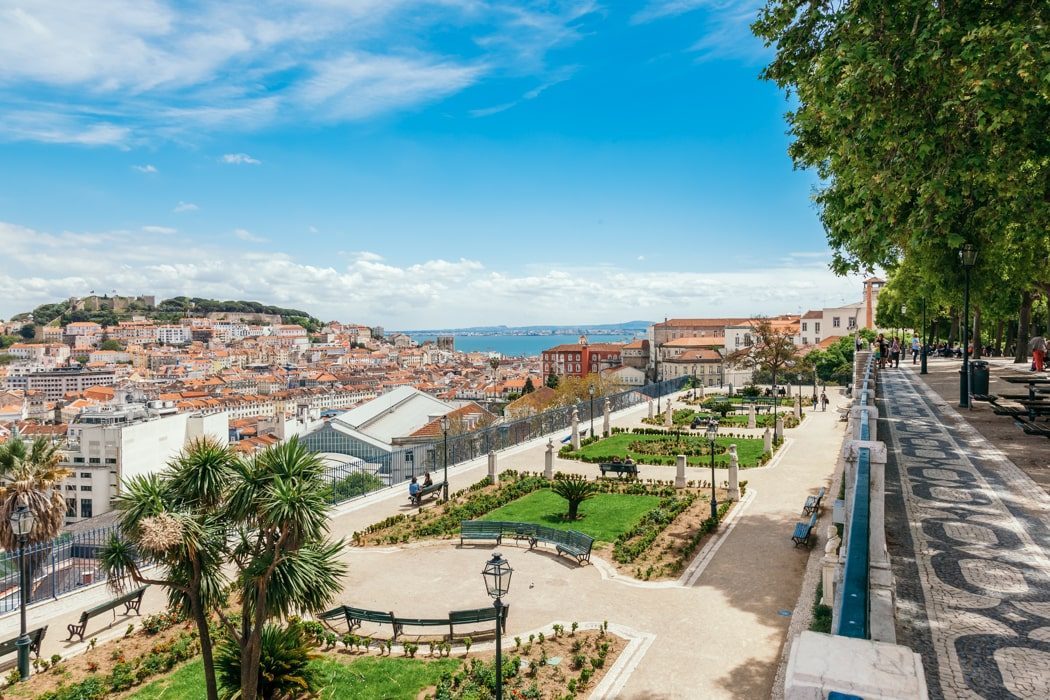
Apart from Pastéis de Nata, there’s another thing Lisbon has plenty of – and that’s Miradouros. Miradouro means viewpoint in Portuguese and with a city of seven hills, there are lots of fantastic viewpoints to check out.
Honestly, we can’t decide which one we like best, so here are our top 5 Miradouros for every occasion:
- Miradouro Portas do Sol – the classic: One of the most beautiful but also very touristy viewpoints. You overlook the roofs of Alfama and there are food stalls and street musicians creating the perfect atmosphere.
- Miradouro Graça – for sunsets: From this viewpoint, you have a great view of Castelo de São Jorge. It’s also very popular with locals and a great spot to enjoy the sunset.
- Miradouro Santa Catarina – for the young crowd: This viewpoint fills up with young Lisboners in the evenings, playing music, chatting, and having a beer. The atmosphere is super relaxed.
- Miradouro São Pedro de Alcântara – the picturesque: Besides the view of the Tagus River and the Baixa district, this viewpoint is impressive for its artful garden with fountains, colorful flower beds and sculptures.
- Miradouro da Nossa Senhora do Monte – the hidden gem: A lesser-known viewpoint with a view over the Mouraria district. Not many tourists come here and it’s a little quieter.
Elevador de Santa Justa

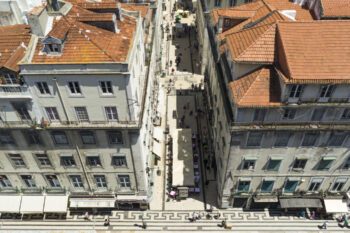
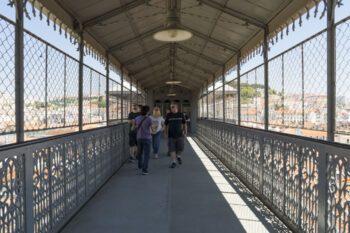
Along with the viewpoints, there are also the elevators. These aren’t your ordinary building elevators.
The Elevador de Santa Justa is located in a 45-meter-tall iron tower that has a slight resemblance to the Eiffel Tower in Paris. The elevator has two cabins with a capacity of 29 people, taking passengers up and down. When you reach the top, you’re greeted with a viewing platform with an amazing panoramic view of Lisbon’s rooftops.
But originally, the elevator wasn’t just for tourists, it’s actually officially part of the public transportation system. The elevator in the Baixa neighborhood is connected to the Chiado district via a bridge. Given that Lisbon was built on seven hills, this was meant to make it easier for locals to get around during the hot summer months without having to climb up and down the hills.
Our tips for visiting the Elevador de Santa Justa
If you ask us, you don’t really need to take the elevator. Just walk across the bridge from the other side. There’s always a long line in front of the elevator, and the real highlight is actually the view from the top, not the ride.
But if you do decide to go on it, you can use your Viva Viagem or day pass as your ticket, since the elevator is technically part of the public transportation system. Of course, there are tickets available on site, but they’re way more expensive.
Elevador da Bica
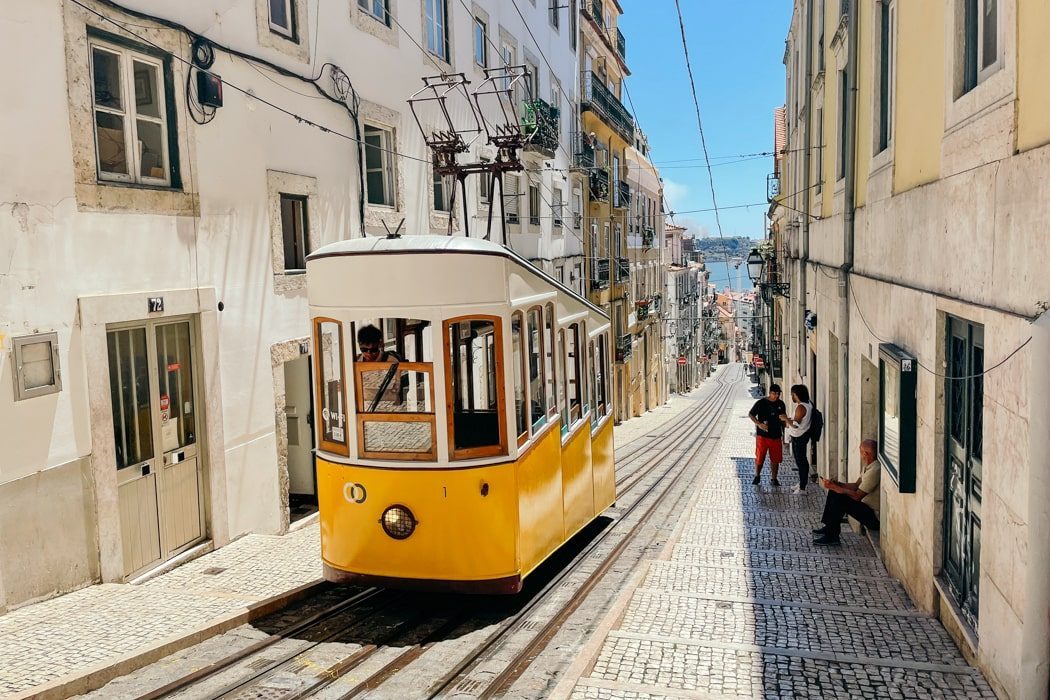

The Elevador da Bica is even less of an elevator than the Elevador de Santa Justa. It’s actually one of three funiculars in Lisbon.
On a super steep route of about 250 meters, it covers 45 meters in height and takes you right into the nightlife district of Bairro Alto.
It’s been around since 1892 and the bright yellow retro cabins have a charming vibe. We also really like the small side streets where you can see the authentic Lisbon life unfold.
A round trip costs 3.80 euros, a one-way trip is not possible. Alternatively, your day pass for public transportation works here too.
Elevador da Glória
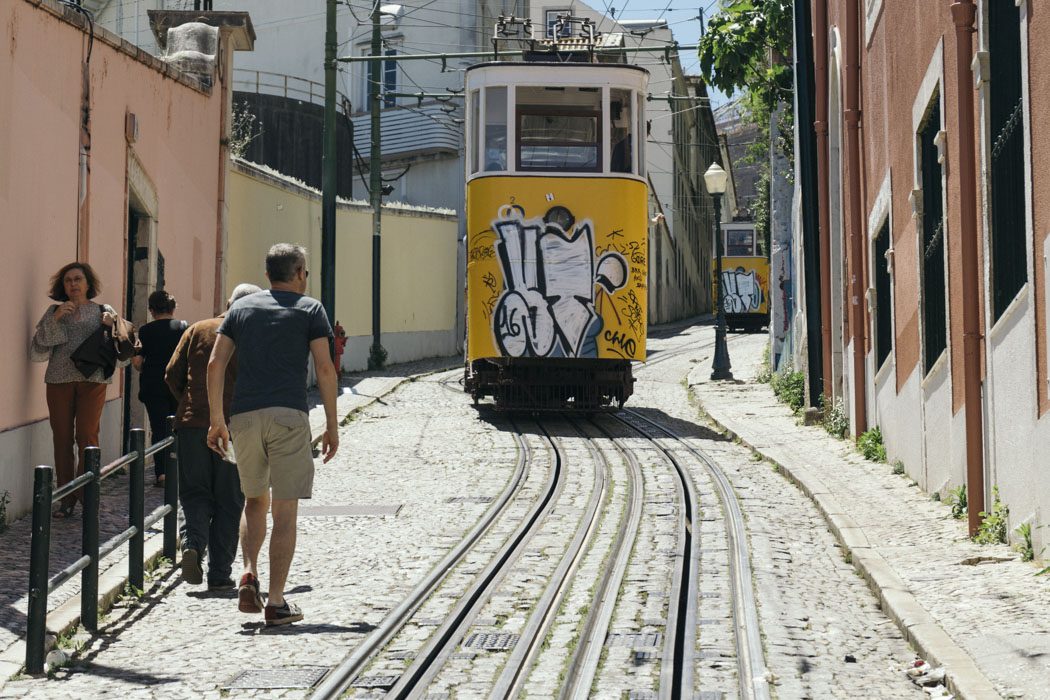
Right next to the Miradouro São Pedro de Alcântara viewpoint (#3) you’ll find the steepest street in Lisbon: Calçada da Glória.
This is where Elevador da Glória runs, one of Lisbon’s three funiculars. Apparently, the steep ascent was too much for the Lisbon locals.
The funicular connects the famous Praça de los Restauradores at the bottom with the Bairro Alto neighborhood at the upper station.
Round trips cost 3.80 euros or you can just use your daily public transportation ticket again.
Time Out Market
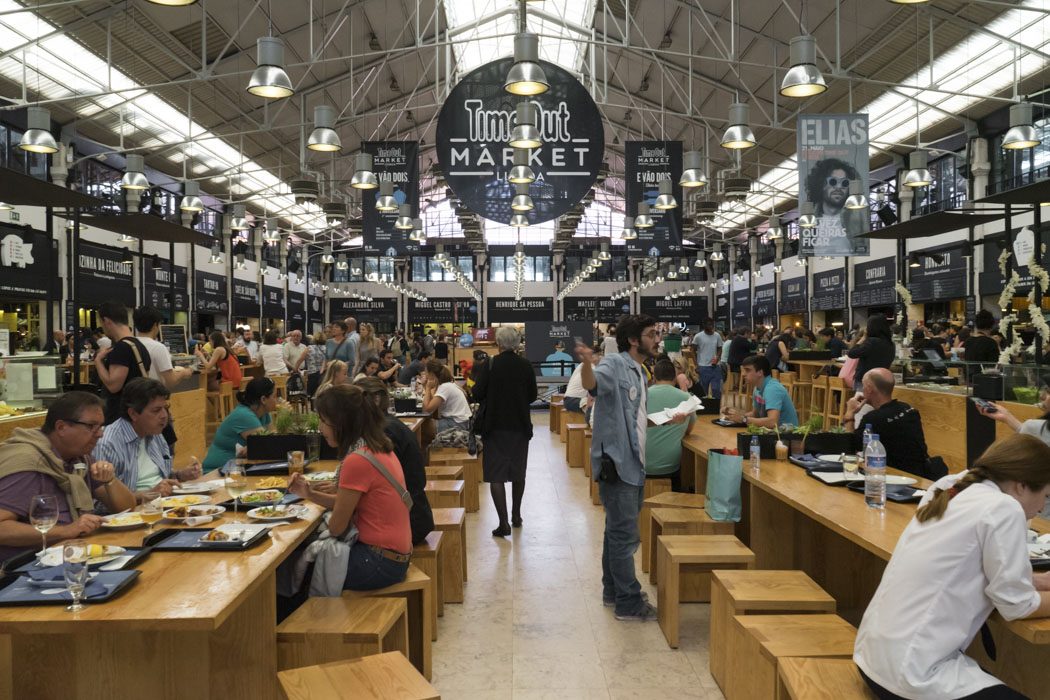
Across from the Cais do Sodre train station is the historic Mercado da Ribeira market hall. It’s been fully renovated and now houses a little paradise called the Time Out Market.
With more than 30 food stalls, you can find everything your heart desires: Portuguese cuisine, burgers, sushi, sweets, and more. If you have a vacation rental with a kitchen, you should also check out the stalls with fresh fish, meat, and veggies.
Prices range from relatively cheap to pretty expensive. Since the Time Out Market has become one of Lisbon’s most popular markets in recent years, it’s earned a bit of a reputation as a tourist trap. We don’t see it that way though. But it’s still a good idea to first check out the different stalls before deciding where to eat.
LX Factory



LXFactory is a little hipster and artist haven outside of Lisbon’s downtown area. On the big factory grounds in the Alcântara neighborhood, fabric and yarn were produced since 1846, until industrial change eventually made its way here too.
Nowadays, the former industrial grounds are home to over 150 restaurants, designer shops, and creatives. Taking a walk around the grounds feels a bit like being in Berlin.
You can grab a bite to eat, shop for clothes and all sorts of designer goods, or just take some great photos. The LX Factory is a great place for photography in Lisbon – there are plenty of photo motifs to capture!
Checking out the website is worth it since cool exhibitions and events are held here regularly.
Alfama and Castelo neighborhoods
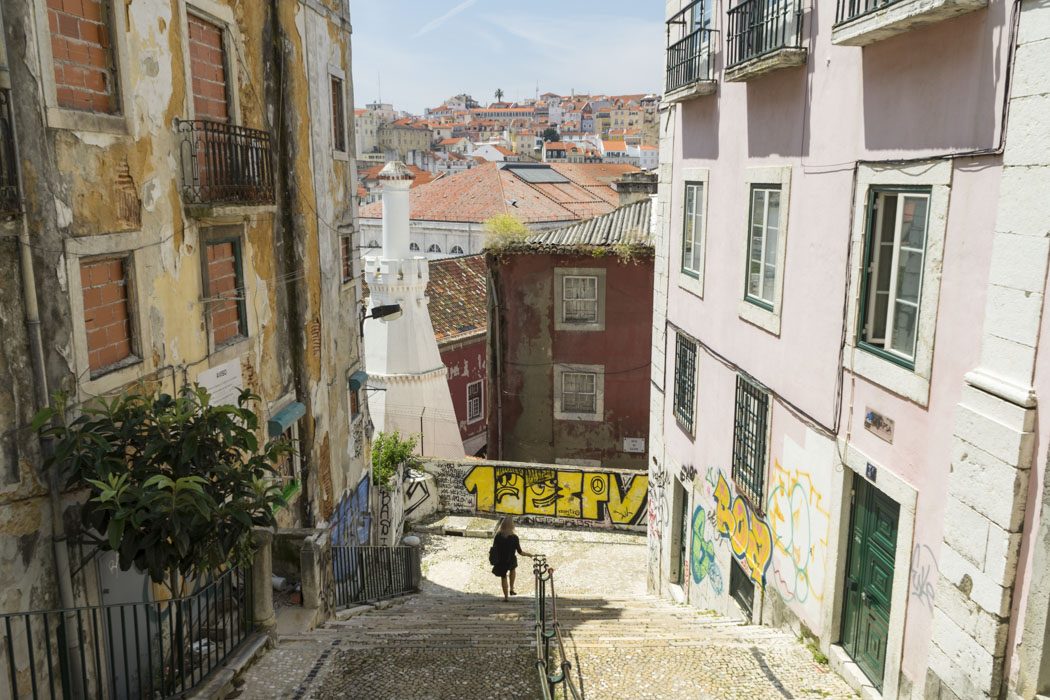
Alfama and Castelo blend together so seamlessly that these two neighborhoods feel like they’re one.
While Alfama is one of the most well-known neighborhoods and home to some of Lisbon’s top tourist attractions like Castelo São Jorge and the cathedral, you still get a sense of Alfama’s original flair as a neighborhood for poor fishermen and its history of Arab occupation.
Exploring the narrow streets and letting yourself get lost among the locals is so much fun. Adorable house facades, traditional Azulejos tiles, cool street art, and clotheslines hanging over the streets – you’ll find the real Lisbon life in Alfama.
Bairro Alto neighborhood
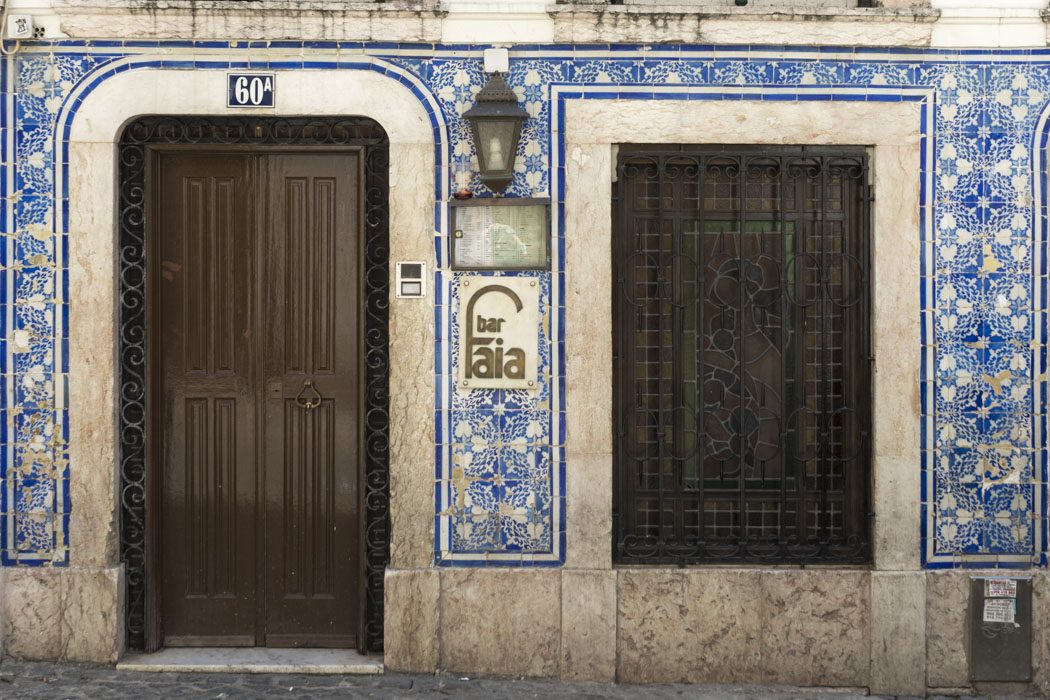
Bairro Alto is the nightlife district of Lisbon. You can grab a delicious meal and enjoy a good cocktail to end the day.
It’s particularly appealing to young folks as its nightlife starts buzzing after 9 p.m. and there’s plenty going on.
But even during the day, it’s worth walking through the streets of Bairro Alto. For example, the Rua do Norte has some great clothing stores.
Praça do Comércio
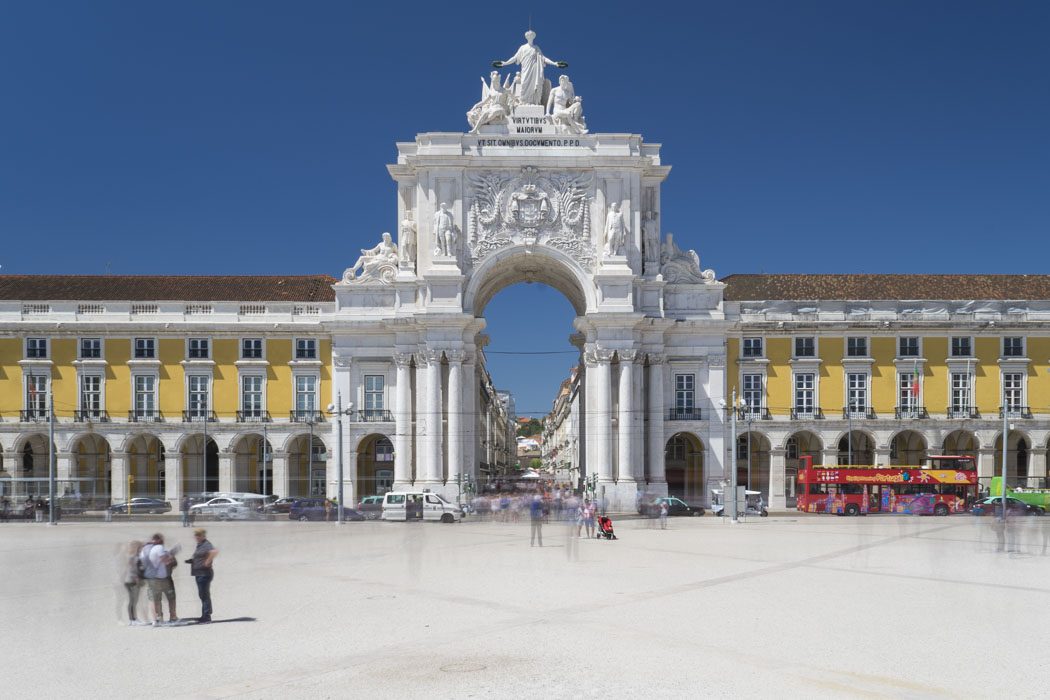
Before the earthquake in 1755, there used to be a palace building with a royal waterfront castle here. Today, you’ll find the huge Commercial Square here, which was rebuilt to impress arriving kings and presidents.
Many tourists hang out here to check out the square and the Arco Triunfal, also known as Arco da Rua Augusta. Oh, and there’s also a lookout platform on the triumphal arch.
If you’re looking for lunch or a coffee, there’s plenty of restaurants and cafes around. Plus, there’s a Welcome Center and an interactive Lisbon Story Center where you can take a fun multimedia tour of Lisbon’s history.
Castelo de São Jorge
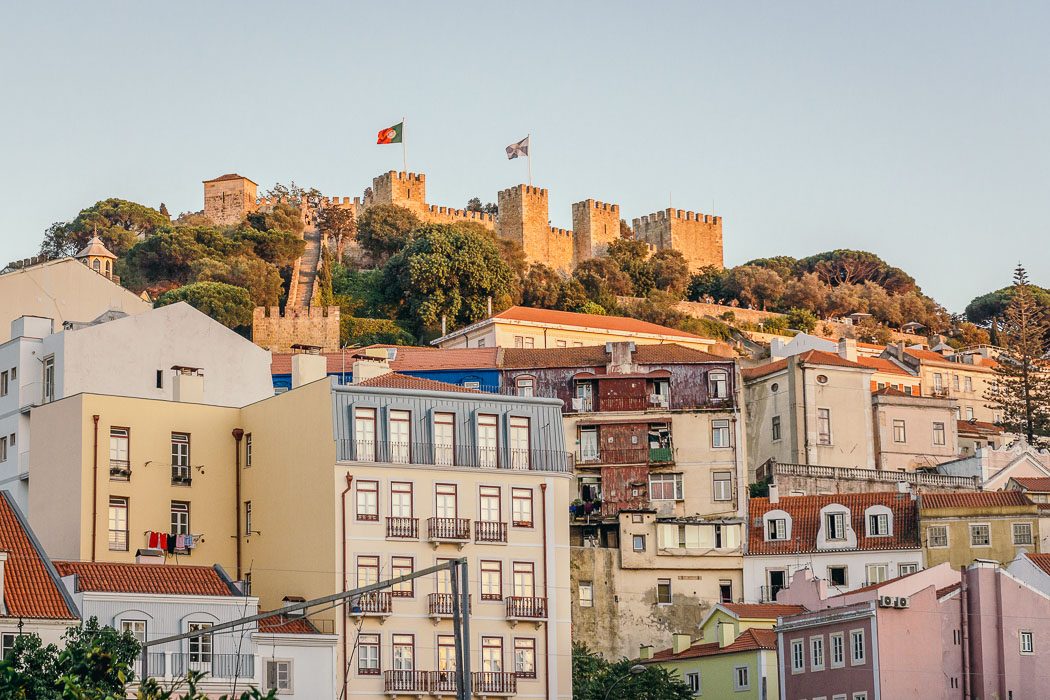
The Castelo de São Jorge fortress looms over Alfama. With its battlements, flags, and a whopping eleven towers, it looks like it’s straight out of a fairy tale.
Admittedly, the climb up all those steps will have you huffing and puffing. But once you make it to the top, the view of the old town and the Tagus River is simply stunning. Plus, you’re at one of the highest spots in all of Lisbon.
The line for tickets at the booth is always crazy long. So, we suggest getting an online ticket beforehand. If you’re interested in learning more about the castle, you can also book a guided tour.
Ticket: Castelo de São Jorge with tour guide
10 euros
Lisbon Cathedral
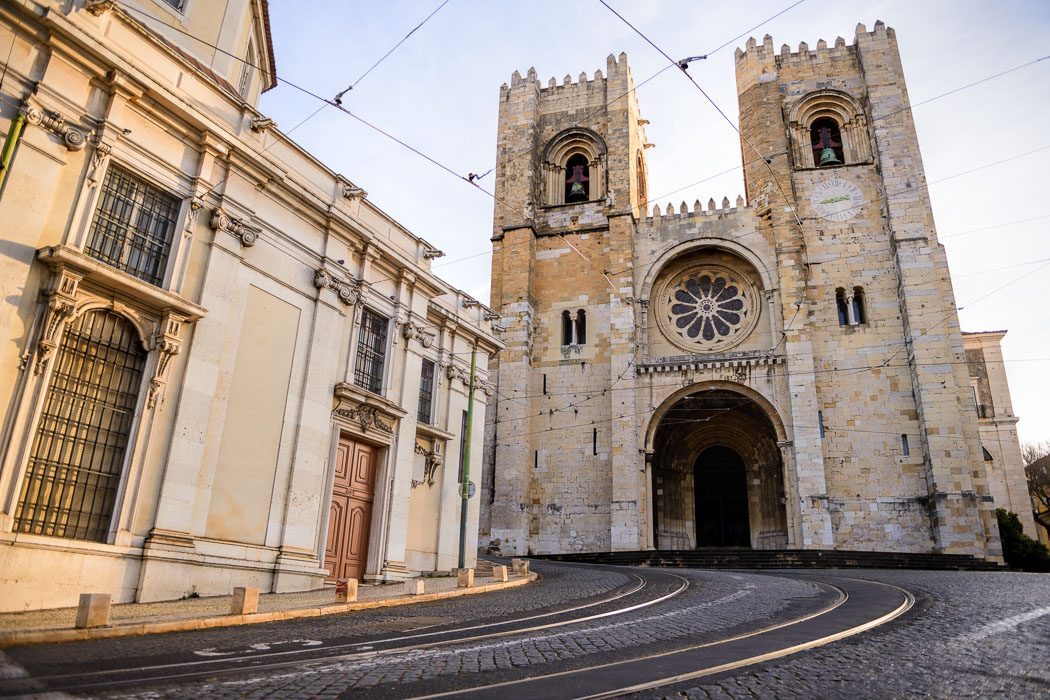
The Sé Patriarcal Cathedral is the oldest and most important church in Lisbon. It’s actually a miracle it’s still standing, especially because it survived two earthquakes and a dictatorship.
From the outside, the church looks like a fortress, complete with two side towers. But that makes sense since it was built on the remains of a mosque as a symbol of the victory over the Moorish occupiers.
We don’t usually go inside churches, but since it’s one of Lisbon’s top spots, we checked it out. And trust us, the gigantic nave inside is worth a detour.
If you just want to take a quick look, it’s free. But if you want to see the treasury and sanctuary, you’ll need a ticket.
Closed on Sundays
Free
Panteão Nacional - Igreja Santa Engrácia
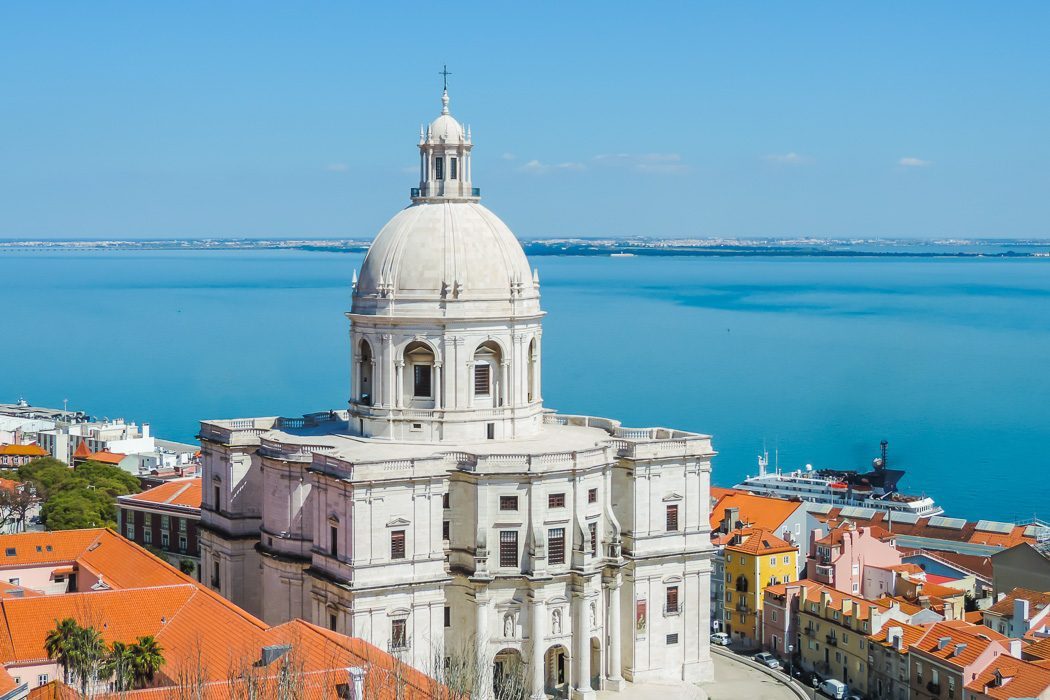
It’s one of the most beautiful churches in Lisbon and kind of reminds us of St. Peter’s Basilica in Rome. It’s made entirely of white marble and shines bright in the sunlight.
Next to the dome, there’s a big observation deck 40 meters up where you’ll have a great view of Alfama. If your feet are tired, you can take the elevator up.
Fun fact: there’s a saying in Portuguese to describe something that never gets finished: “like the construction of Santa Engrácia”. And boy, did it take a while to build – 350 years to be exact.
Ticket for the Pantheon with fast access
Mosteiro dos Jerónimos
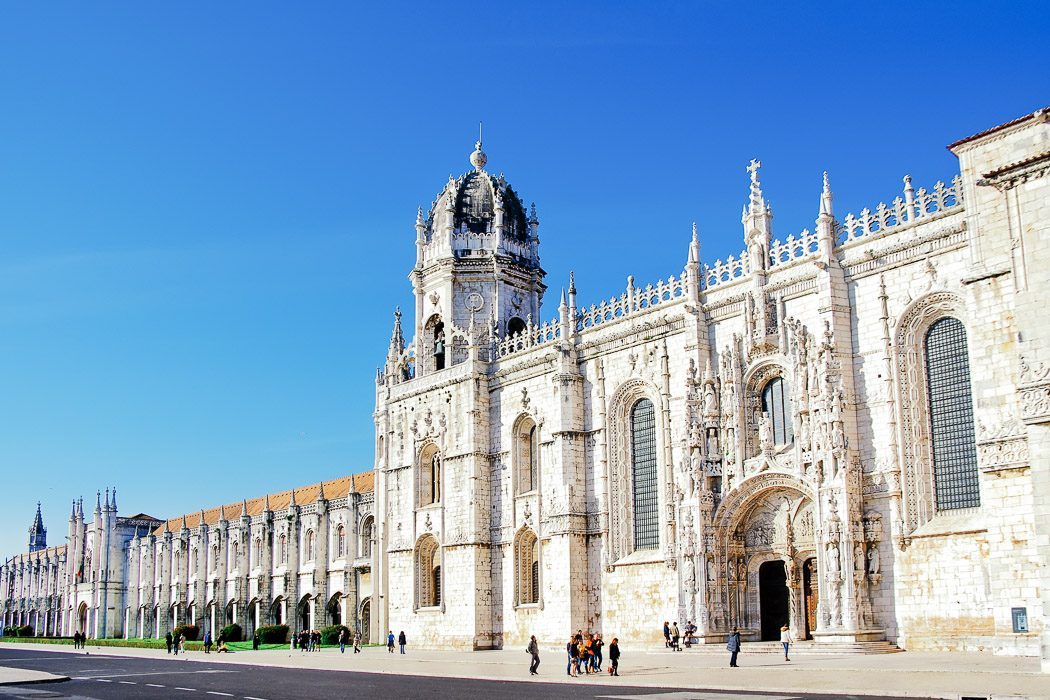
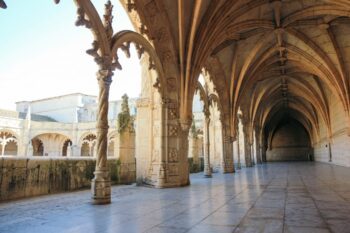
The Mosteiro dos Jerónimos is one of the most important sights in Lisbon and even part of UNESCO World Heritage.
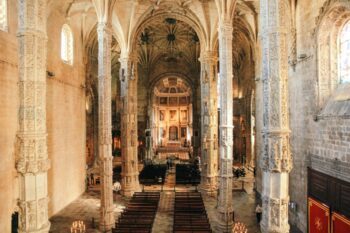
The building seems enormous and the almost 300-meter-long park in front only adds to this impression. Inside, you’ll see elegant decorations and little towers everywhere – it’s beautiful!
The monastery is always busy, so if you don’t want to wait in long lines, make sure to buy your ticket online in advance.
Our tip: The Mosteiro dos Jerónimos is located close to the Torre de Belém (#16) and the Padrão dos Descobrimentos (#17) monument. You can easily combine these three tourist attractions in Lisbon.
Torre de Belém
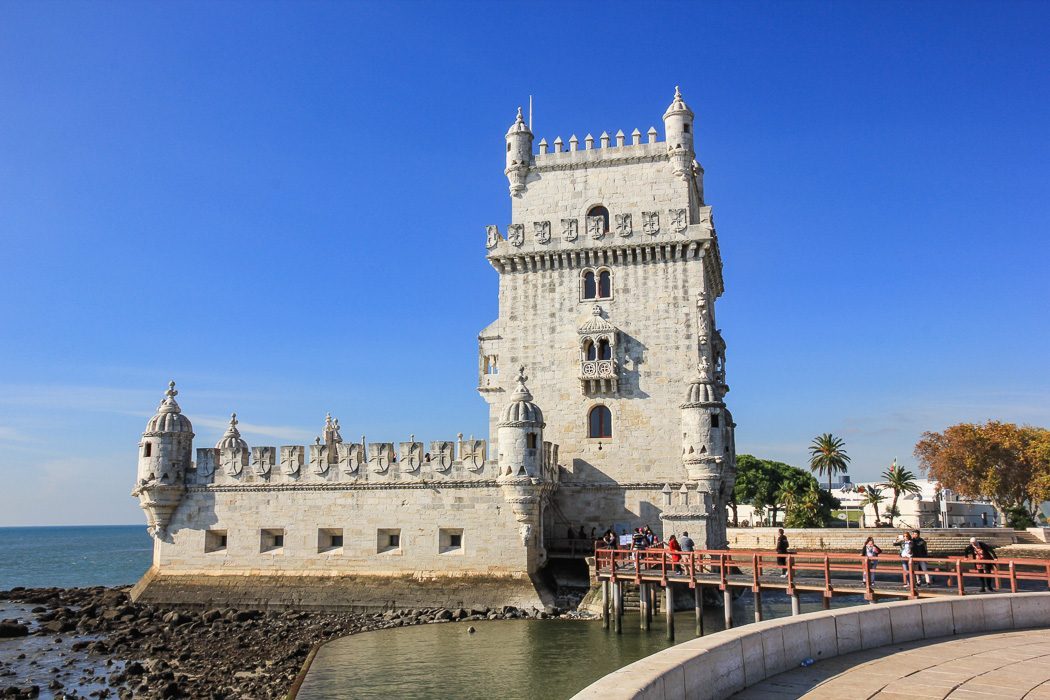
Torre de Belém is a must-see in Lisbon. Located right by the harbor entrance, it was built as a watchtower to protect against intruders.
But it’s not just a tower, it’s more like a small fortress. It has four floors, including a bulwark, a royal hall, a governor’s room, and a chapel.
At the top, 35 meters up, there’s an observation deck with a great view of Lisbon, the sea, and the Tagus River.
Padrão dos Descobrimentos

If you walk along the riverfront from Torre de Belém, you’ll come across the Padrão dos Descobrimentos. It’s translates to Monument of the Discoveries.
It was built in 1960, marking the 500th anniversary of the death of Henry the Navigator and to commemorate the age of discoveries.
On the monument, you can see 33 important figures from that time. Although we have to admit, we couldn’t recognize anyone, it’s still pretty cool to look at.
Ponte 25 de Abril
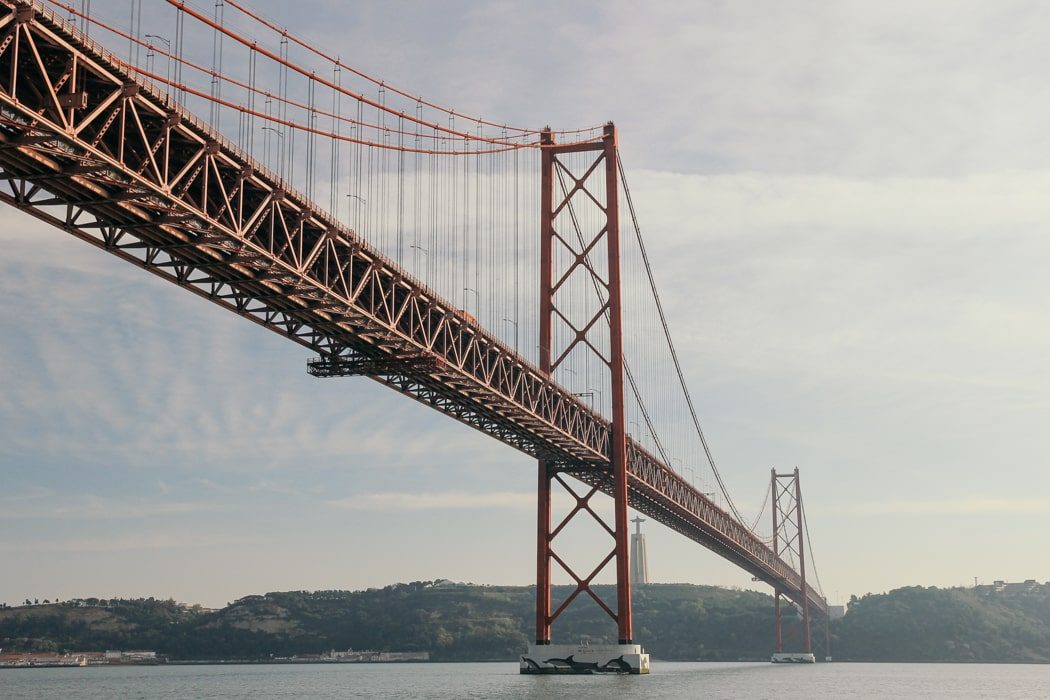
Wait, did we suddenly land in San Francisco? No, but the huge, red suspension bridge Ponte 25 de Abril looks just like the Golden Gate Bridge. No wonder, it was built by the same construction company.
The bridge connects the neighborhoods of Alcântara and Almada and is the third longest suspension bridge in the world, with just over three kilometers. Cars drive on the upper level and trains run below. Unfortunately, the bridge is not accessible to pedestrians, but you can ride on bus line 753 to enjoy the view over the Tagus River.
One of the newer attractions in Lisbon, the Pilar 7 Experience, is a multimedia exhibition that explores the history of the bridge. The highlight of the experience is the viewing platform made of glass, where you stand right next to the bridge.
To the ticket for the Pilar 7 Experience
Cristo Rei Statue



At the southern end of the Ponte 25 de Abril is our next top Lisbon attraction: the famous Cristo Rei statue.
It sits on a 75-meter-high pedestal. The statue itself is 28 meters high, making it one of the tallest structures in Portugal.
Take the elevator up to the viewing platform at the base of the statue: the view of the Tagus River and the city is simply breathtaking and one of our favorite scenic views in Lisbon!
Our tip: We recommend combining your visit to the Cristo Rei statue with a ferry ride across the Tagus. It’s beautiful! Alternatively, you can join a guided tour from the Old Town and don’t have to worry about transportation.
Tour to Cristo Rei statue with boat trip across the Tagus River
8 euros (elevator)
Parque das Nações

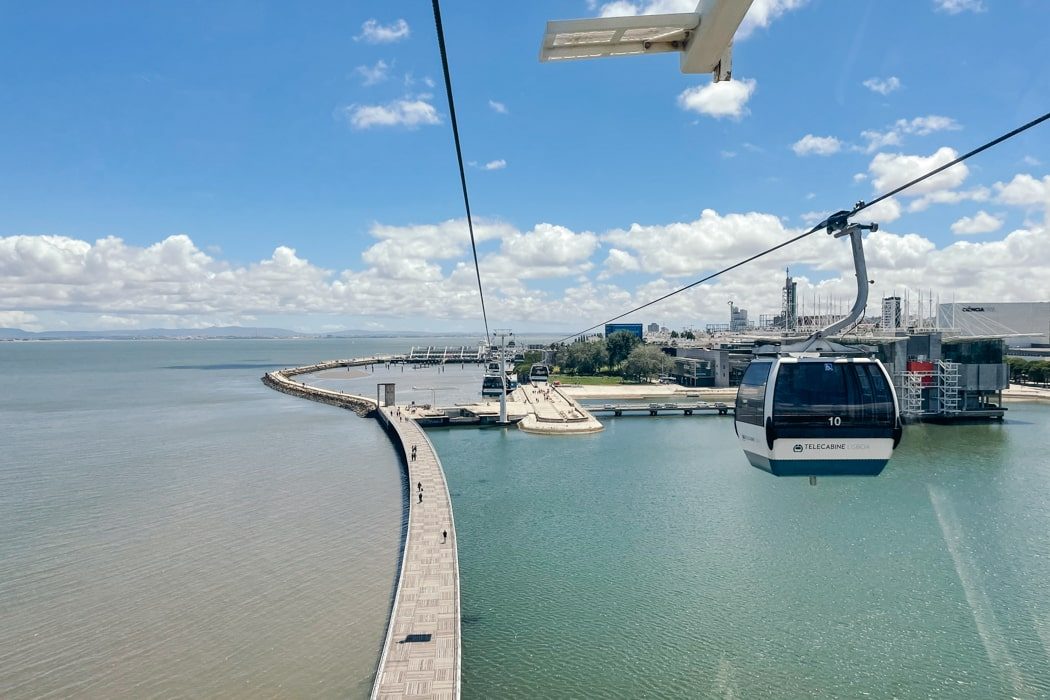


The Parque das Nações isn’t actually a park. It’s one of the most modern districts and the business center of Lisbon. With its many glass facades and futuristic architecture, it’s got a big city vibe. But why should tourists care?
Well, the Parque das Nações was created during the 1998 World Expo and you can still find several cool attractions here today.
- Oceanário de Lisboa: One of the largest aquariums in Europe, and home to around 8,000 marine animals, including sharks and rays (get tickets here)
- Lisbon Cable Car: Take a gondola ride 30 meters above the Expo grounds and enjoy the view of the Tagus River (get tickets here)
- Pavilhão do Conhecimento: An exciting museum with lots of hands-on science for kids of all ages (get tickets here)
Most of these attractions are great for families with kids. If you’re looking for more Lisbon tips for kids, check out this article.
Beaches near Lisbon
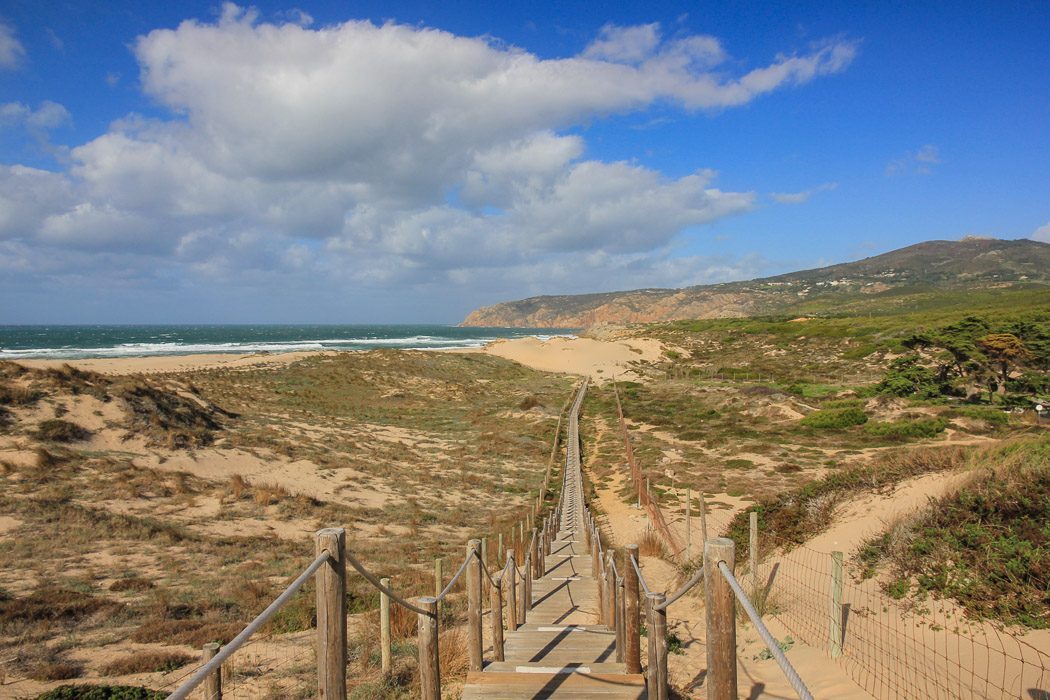
Need a break from all the sightseeing in Lisbon? Head to a nearby beach for a day of sun and surf.
Many beaches are just a 40-minute public transport ride away. The water may be cold, but during the hot summer months from July to September, it’s perfect.
One of the closest beaches is Praia de Carcavelos. It has 1.5 km of soft sandy beach and great waves for surfing.
A bit further, about 45 minutes by car from Lisbon, is Praia do Guincho. This is a beautiful and quiet natural beach where the wind often blows strong, making it a popular spot for surfers and kiteboarders.
If you’re looking for more tips on beautiful beaches in Lisbon, be sure to check out the following article.
Day trip to Sintra from Lisbon

About 40 minutes away by train is the picturesque town of Sintra. The highlight in Sintra is the Palácio Nacional da Pena, a fairytale castle from the Romantic era. And that’s the perfect word to describe it: the colorful domes and turrets above the forests of Sintra are lovely! The palace is one of the most magnificent in the world.
Aside from the Palácio da Pena, there is still plenty to see, such as the Castelo dos Mouros fortress, the old town, and the Palácio Nacional de Sintra.
Our tip: Sintra is very hilly and if you really want to see the town, you’re dependent on public transportation. We highly recommend a guided tour from Lisbon. That way, you won’t have to wait for buses on site and you’ll also have a transfer from Lisbon.
From Lisbon: Day trip to Sintra
General tips: How to best see Lisbon’s sights
To wrap things up, we want to give you some general travel tips for Lisbon to make planning your trip a bit easier.
#1 Book a central hotel
To see as much as possible of Lisbon, it makes sense to stay in the center. We have some tips for central hotels in Lisbon for you.
Still haven’t found the right hotel in Lisbon? Then check out these two articles.
#2 Getting around Lisbon
You can reach most of Lisbon’s sights on foot. But if you use public transportation, we recommend the Viva Viagem Card.
 The Viva Viagem Card is a rechargeable ticket for Lisbon’s public transport system including the metro, buses, and trams. Even the elevators and funiculars are included.
You can easily buy the card at the metro station’s ticket machine for 0.50 euros. After that you can either load it with a single ticket (1.50 euros), a day pass (6.45 euros), or credit. With the latter, you pay per trip until the credit is used up. Most trips then cost 1.35 euros.
Just swipe the card over the reader at the start of each trip (and again when getting off if you use the metro).
Note: Unused credit on your Viva Viagem Card is not refundable.
#3 Book a guided tour
We’re big fans of city tours because your guide knows all the coolest spots and insider tips for Lisbon. We can recommend these Lisbon tours.
- Budget-friendly: Group Tour Lisbon – perfect for your first visit, includes all Lisbon highlights
- Private: Private Walking Tour – especially suitable for families and groups, you have your guide all to yourself
- By bike: Bike Tour from the Old Town to Belém – discover even more of the city by bike
Want more tips for city tours in Lisbon? Sure, you’ll find them in this article:
What are your must-sees in Lisbon?
That was our list of the 22 most beautiful sights in Lisbon. Have you been there? Do you know any other Lisbon highlight that we missed on our list? Please share more in the comments, we’re excited to hear about them!