Venice
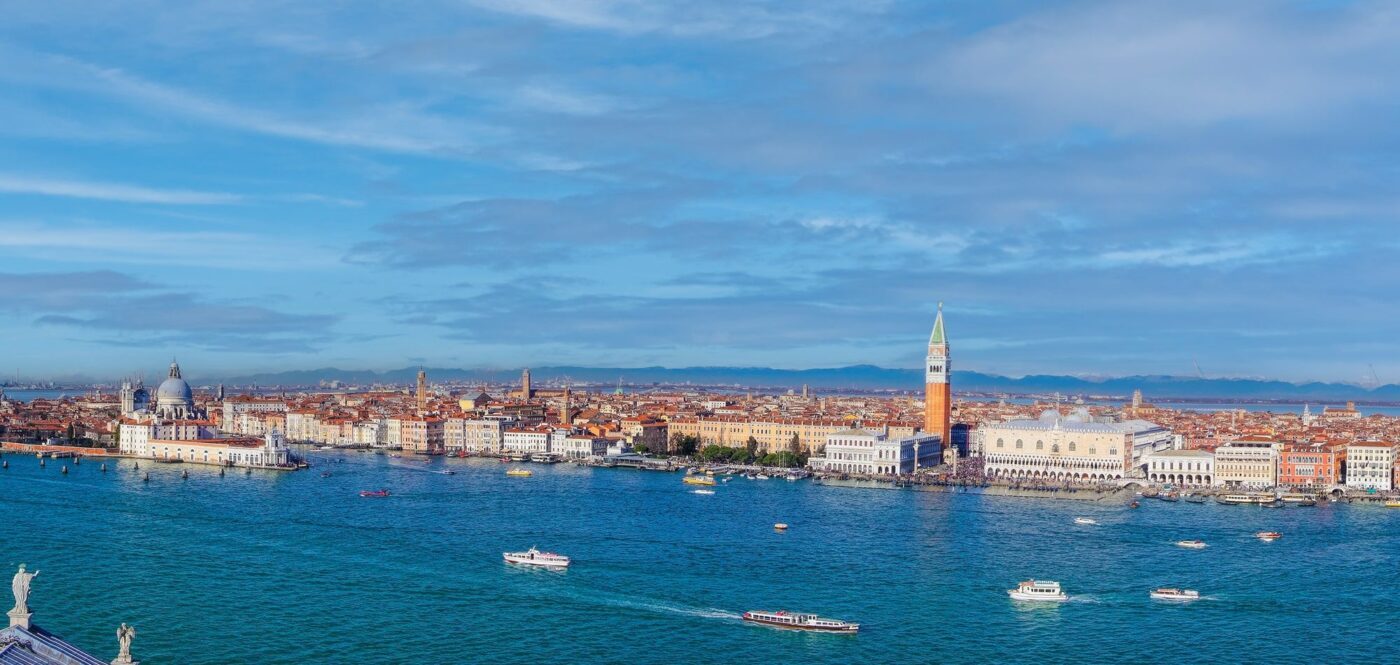
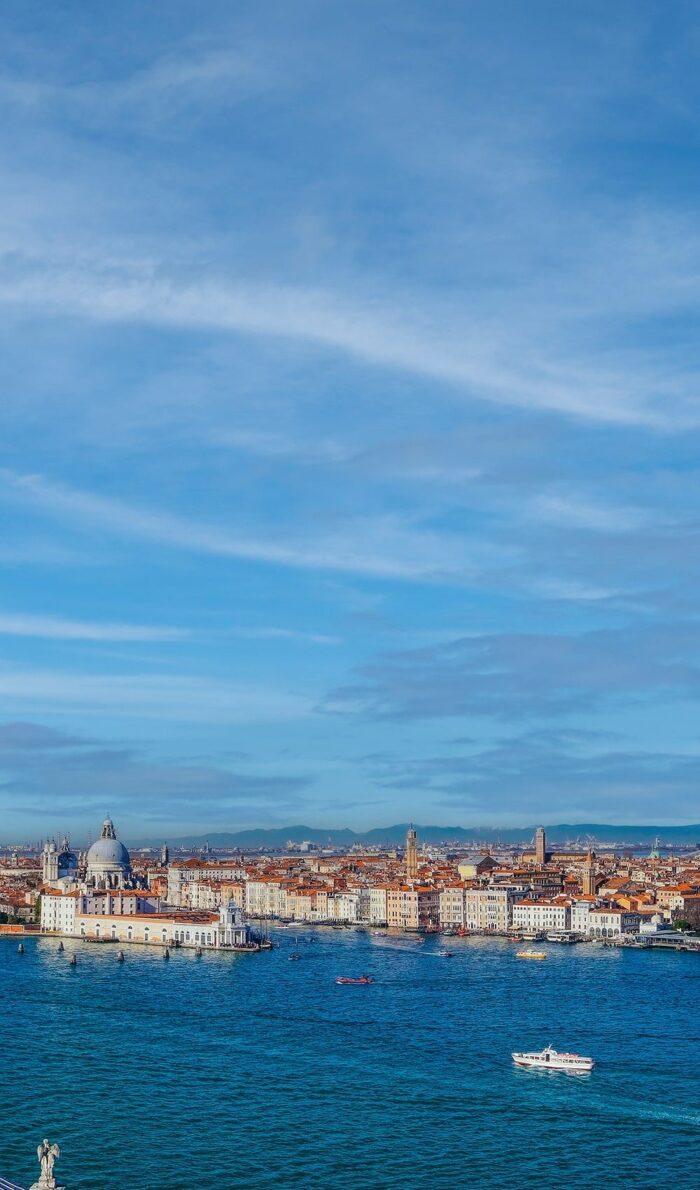
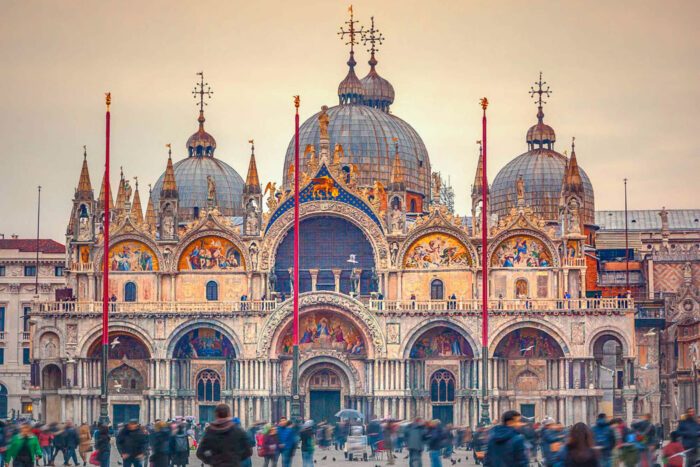
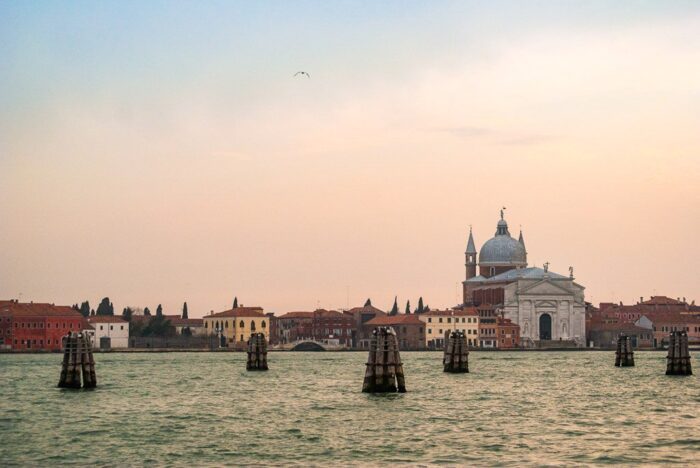
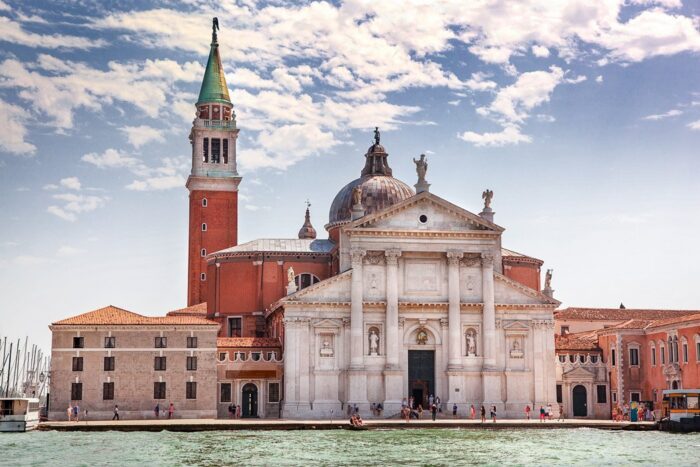
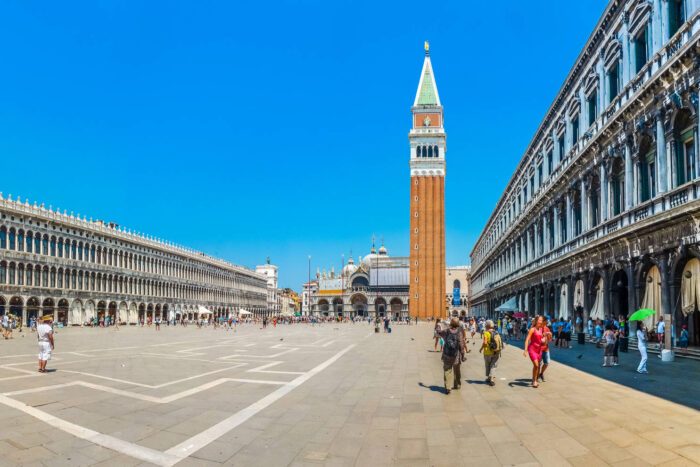
Between St. Mark's Square, canals, and colorful palazzi: your complete guide to Venice.
Our Guide to Venice
-
Flair
A one-of-a-kind labyrinth of canals, romance, and world-class art.
-
Best time to visit
Spring and late fall give you that magical atmosphere — without the summer crush.
-
How long to stay
Two to three days is ideal for the main island plus a day trip to Burano.
-
Price level
Seriously high — especially anywhere near the tourist hotspots. Budget accordingly.
-
Food
Don't miss Cicchetti — Venetian-style small bites — at a local wine bar (bacaro).
-
Getting around
Walk everywhere you can. For longer distances, the public vaporetto (water bus) is your best bet.
Frequently Asked Questions
Do I need to pay an entrance fee in Venice?
To manage the flood of day-trippers, Venice introduced a day-visitor entry fee in 2024. It applies only to day visitors and only on certain days of the year.
The idea is to reduce the crowds who just pop in for the day without staying overnight.
The fee is 10 euros and you pay for it online in advance.
If you’re staying overnight in Venice, you don’t need a ticket — you’re already paying the tourist tax.
What's the best way to get to Venice?
You can get to Venice easily by plane or car.
Getting There by Plane
Venice has two airports: the conveniently located Marco Polo Airport and the more distant Treviso Airport. Treviso is about 40 kilometers north of the city and requires a bus connection — so unless you find a much cheaper fare there, Marco Polo is the easier choice. It sits right on the lagoon.
Our tips for the Venice Airport Transfer
We always search for flights on Skyscanner — it’s the quickest way to compare prices across all airlines and find the best fare.
Search for flights on Skyscanner
From Marco Polo Airport, a water taxi takes you directly to your hotel for around 35 euros — seriously convenient if you’ve got luggage.
Get tickets for the water taxi from the airport to your hotel
The budget option is the shuttle bus at 10 euros. It gets you to Piazzale Roma in about 20 minutes, and from there you can hop on the water bus to your accommodation.
Get tickets for the shuttle bus from the airport to Venice
Getting There by Car
Driving to Venice is only really worth it if you’re staying for at least a few days, since parking is expensive. But if you do drive, the largest and most convenient option is the 24-hour Autorimessa Comunale — around 2,000 covered spaces right at the edge of the historic center. Book your spot in advance or you’ll pay a few euros more at the gate.
Parking runs 35 euros per day. From the garage, it’s a short walk to the main water bus stops, which connect you to the entire historic center.
A cheaper alternative is to park on the mainland in Mestre. The main train station there charges around 20 euros per day, and from there it’s just a ten-minute train ride to Venice’s main station — right on the doorstep of the old city.
When is the best time to visit Venice?
Honestly? The off-season. Yes, it can be rainy in winter and flooding occasionally happens — but the city is so much quieter, and you can still get lovely sunny days even in December or January.
Winter also has its own atmosphere: on some evenings, fog drifts through the alleyways and over the canals, giving everything an almost mysterious feel. Really great for photography.
And the prices are seriously appealing in the off-season — accommodation can drop by up to 50%, which means a stylish hotel right in the heart of the old city suddenly becomes affordable.
If you need guaranteed sunshine, summer is your safest bet. Just be ready for packed streets and much higher hotel prices.
How much does a gondola ride in Venice cost?
A standard 30-minute gondola ride costs around 100 euros. You can split the cost by sharing — each gondola fits up to ten people, so it’s worth asking around if you’re traveling solo or as a couple.
When does Venice flood?
High water typically occurs between October and February. That said, Venice now has a modern flood protection system that was first used in 2021 — when a storm pushed water levels outside the lagoon to nearly 1.5 meters, the city was largely spared for the first time. Serious flooding is expected to become much less frequent as a result.