

alert-circlearrow-rightarrow-up-rightarrow-upasteriskawardbeachcameracarcheckchevron-downchevron-leftchevron-rightchevron-upcirclecityclockclosecompasscurrency-dollarcurrency-euroflagglobehearthotellistmap-pinmenuminusmountainplusrestaurantrocketsearchsmilesocial-facebook social-instagramsocial-linkedinsocial-pinterestsocial-tiktok star-filledstarsuntagtickettrainzap

Myanmar

Between a thousand pagodas in Bagan and the stillness of Inle Lake: everything you need to plan your Myanmar trip.

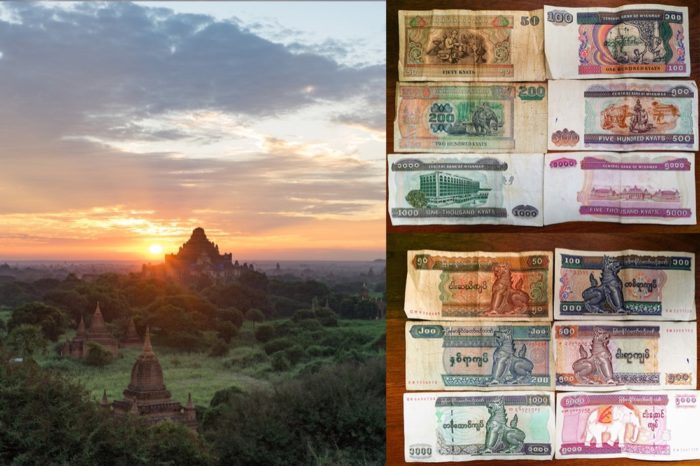
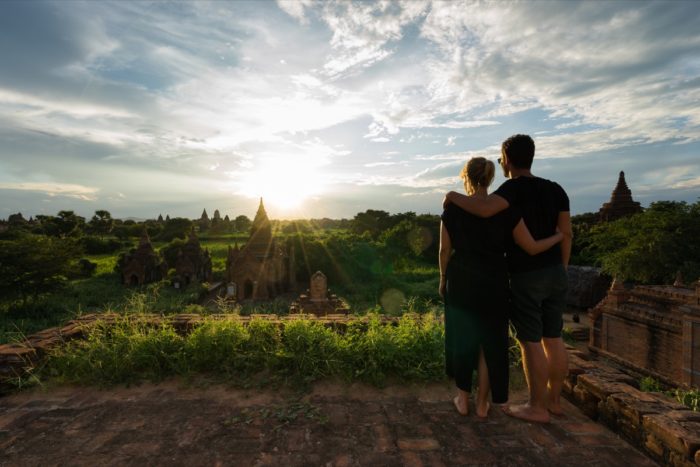
Sunset over Bagan

Travel Warning for Myanmar

Travel to Myanmar is currently not recommended. Multiple governments have issued travel warnings due to the ongoing security situation in the country, which remains critical. There’s currently no clear indication of when conditions will improve.

Our Myanmar Travel Review

  1. Flair

    Magical, deeply devout, and still largely untouched by mass tourism.

  2. Best time to go

    November through February.

  3. Trip length

    Two to three weeks for the classic route.

  4. Currency

    Kyat — cash is essential. Carry US dollars as backup.

  5. Tipping

    Not a local tradition, but widely accepted in tourist areas.

  6. Getting around

    Domestic flights or overnight buses between cities; boats on Inle Lake.

Where is Myanmar

Where is Myanmar located?

Myanmar is located in Southeast Asia. It borders India and Bangladesh to the west, China to the north, and Laos and Thailand to the east.

Along the country’s southern edge stretch the Andaman Sea and the Bay of Bengal.

Myanmar is twice the size of France, but has 30 million fewer inhabitants. The capital is Naypyidaw — a purpose-built planned city that has only existed since 2002.

FAQ

How safe is Myanmar?

In February 2021, the military staged a coup against the democratically elected government. Since then, a state of emergency has been in effect in Myanmar, and travel there is strongly discouraged.

Before your trip, check the current situation with your country’s official foreign travel advisory.

How much time should I plan for Myanmar?

Plan for at least two weeks in Myanmar. The country is large and there’s a lot worth seeing.

We spent four weeks there and honestly could have stayed even longer.

How can I communicate in Myanmar?

You can get by pretty well with English in Myanmar. That said, knowing a few words of Burmese goes a long way — locals really appreciate the effort.

These three phrases will take you far:

Hello / Good day – Mingalarbar
Thank you very much – Jay zu tin bar deh (pronounced: Jah-zu Tinbardeh)
Thanks – Jay zu bae (pronounced: Jah-zuba)

What should I absolutely pack for Myanmar?

Pack mostly lightweight clothing — but don’t forget a warm layer for air-conditioned buses or cooler evenings.

Sleeveless tops and very short shorts are not common in Myanmar and aren’t allowed in temples and pagodas. Shorts should reach below the knee, and shoulders should always be covered.

Since you’ll be taking your shoes off constantly at temples and pagodas, flip flops or sandals you can slip on and off easily are the smart choice.

No power adapter needed — standard European plugs fit every outlet.

Bring sunscreen. It’s really hard to find in Myanmar, and when you do, it’s expensive.

A note for the ladies: Tampons are nearly impossible to find. Your best bet is City Mart stores in Yangon and Mandalay — though they only stock mini tampons.

Can I drink the tap water in Myanmar?

Tap water in Myanmar is not safe to drink without boiling first. Many people even recommend using bottled water to brush your teeth — though we brushed with tap water the whole time and were totally fine.

Beyond that, it’s smart to avoid pre-cut fruit (like watermelon) and raw ingredients (like lettuce) at basic restaurants and street stalls.

Is there internet in Myanmar?

Wi-Fi is available in almost all hotels these days, but the connection is often slow and unreliable.

The real solution is mobile internet. Myanmar has built out its mobile network significantly in recent years, and it usually works well. All you need is a local SIM card.

Are there specific rules of conduct I need to follow?

There are just a few simple things to keep in mind when visiting Myanmar:

Clothing — General and at Temples

At temples and pagodas, both men and women should keep their shoulders covered and wear pants that reach at least to the knee.

You’ll also need to remove your shoes and socks every time — the same applies in private homes, hotel rooms, and sometimes in shops too.

As a general rule, dress modestly in Myanmar. For women, that means no very short shorts or skirts, and no low-cut tops.

Photography

Most locals are happy to be photographed — but not always. We always ask for permission before taking someone’s photo, for example at a market. A smile and a nod while pointing at your camera is usually all it takes.

Children

Never pat a child on the head in Myanmar — it’s considered deeply disrespectful. And just as important: don’t give children money or buy things from them.

Some parents deliberately send their kids out to sell to tourists instead of going to school, knowing travelers find it hard to say no.

Respectful Behavior

Locals in Myanmar are generally very friendly and calm. Raising your voice or getting visibly frustrated is considered inappropriate.

A smile really does go a long way here. Be warm and friendly — you’ll get it right back.

What is medical care like in Myanmar?

Medical care in Myanmar is unfortunately not up to Western standards yet. For anything serious, traveling to Bangkok or Kuala Lumpur for treatment is still the recommended option.

Malaria remains a concern, especially during the rainy season — though the risk in tourist areas is relatively manageable.

Dengue fever is also increasingly present. There’s no cure, so regular mosquito repellent and a mosquito net are your best protection against both dengue and malaria.

Pharmacies are easy to find across Myanmar, and most basic medications are available and affordable.

That said, we strongly recommend bringing a basic supply of your own medications. Communication at pharmacies isn’t always straightforward, and there’s no guarantee you’ll find exactly what you need.