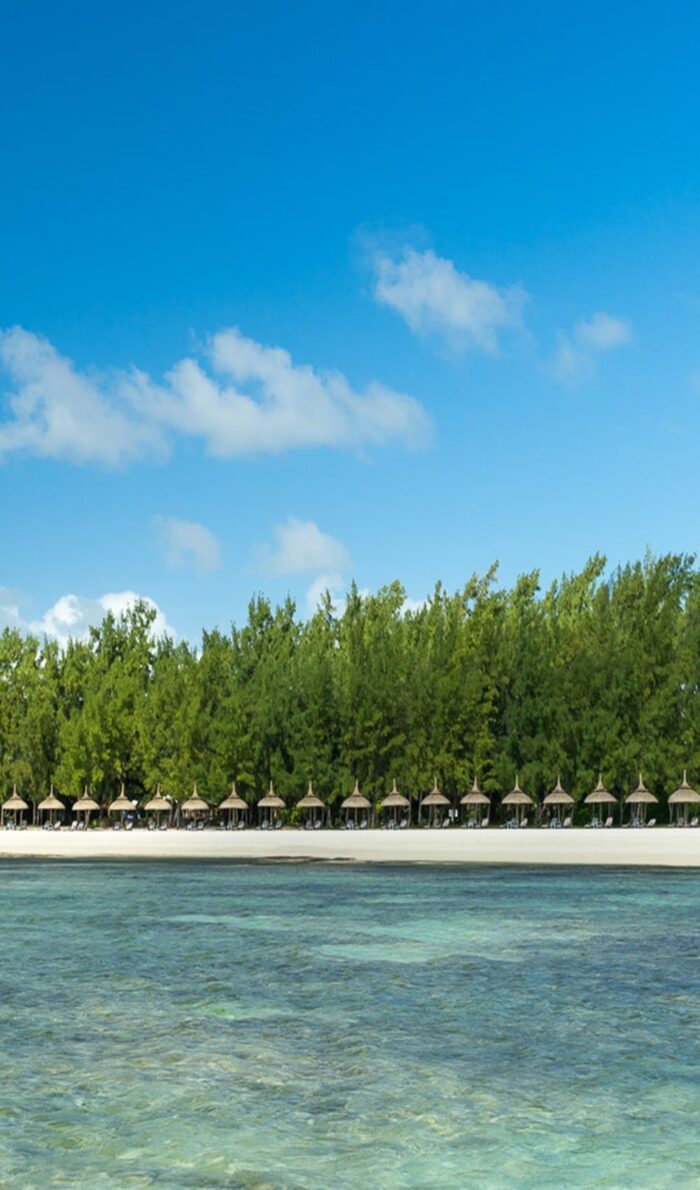
Mauritius
Turquoise lagoons, lush jungle, and Creole culture — everything you need to plan your Mauritius vacation.
Our Mauritius Review
-
Flair
Paradise vibes, seriously diverse — and way more than just beaches.
-
Best time to visit
May through December — less humid, drier, and much more pleasant.
-
Trip Duration
Ten to fourteen days to relax and explore properly.
-
Currency
Mauritian Rupee. Cards work fine at hotels; bring cash for everywhere else.
-
Tipping
Around 10% is appreciated at restaurants — not mandatory, but welcomed.
-
Getting Around
Rent a car — just remember they drive on the left! It's the best way to explore the island at your own pace.
FAQ
What's the best way to get around Mauritius?
The best way to explore Mauritius is by rental car — it gives you full flexibility to discover the island at your own pace. Just keep in mind: Mauritius drives on the left.
Public Transportation in Mauritius
If a rental car isn’t for you, buses cover the island pretty well and are seriously cheap. The downside is that longer routes take a really long time. We’d recommend sticking to buses for shorter hops only — and always carry small change.
Taxis
Taxis are easy to find all over Mauritius, but fares aren’t metered — drivers set their own prices. That means tourists often pay more, so always agree on the price before you get in.
What's the best way to get to Mauritius?
Several airlines fly to Mauritius, including direct routes from Europe and connections via hubs like Dubai with Emirates. Flight time on a direct route is around 11 hours.
Mauritius has just one airport: Sir Seewoosagur Ramgoolam International Airport, located in the southeast of the island. From there, you can reach any part of the island fairly easily — Mauritius is actually pretty compact.
Entry Requirements
Most visitors don’t need to apply for a visa in advance. When you arrive, the local authorities will stamp you in with a tourist visa (called an “Entry Permit”), valid for 30 days.
Make sure your passport is valid for at least six months beyond your departure date. If you’re planning to stay longer than 30 days, you’ll need to show proof of sufficient funds to the immigration authorities.
You can find more practical tips for your Mauritius trip here:
What language do they speak in Mauritius?
Officially, Mauritius has no single official language — but English and French both function as de facto official languages.
Around 80% of the population speaks Morisyen, a French-based Creole language. Hindi and Tamil are also widely spoken, reflecting the island’s diverse immigrant communities.
With English, you’ll have absolutely no trouble getting around. If you also speak French, even better — you’ll feel right at home.
What is the best time to visit Mauritius?
The most comfortable months are May and June and September through November — not too hot, not too cold, and rainfall is manageable. These are genuinely the best times to visit Mauritius if you want pleasant weather without the extremes.
That said, many travelers visit in winter to escape the cold at home. It gets hot and humid during that period, but it’s still a whole lot better than a gray European winter.
For a full breakdown, check out our article on the best time to visit Mauritius.
What is the time difference in Mauritius?
Mauritius runs on its own time zone — MUT (Mauritius Time), which is UTC+4:00 year-round. Since Mauritius doesn’t observe daylight saving time, the difference from Central European Time is +3 hours in summer and +4 hours in winter.
What is the capital of Mauritius?
The capital of Mauritius is Port Louis. With around 150,000 residents, it’s also the island’s largest city — and its cultural, economic, and political heart. You’ll find it in the northwest of the island.
What currency is used in Mauritius?
Mauritius uses the Mauritian Rupee (MUR). One euro is roughly equivalent to 49 Mauritian Rupees, though exchange rates vary.
Is Mauritius expensive?
Mauritius isn’t exactly a budget destination — you can easily spend a small fortune here if you’re not careful. But it’s absolutely possible to visit without breaking the bank.
To give you a quick sense of typical prices:
- Bottle of water (1.5l) = 20–30 MUR (€0.50 to €0.75)
- Bus ticket = approx. 30 MUR (€0.75)
- Gas (1l) = approx. 49 MUR (€1)
- Simple local meal = 120 to 240 MUR (€3 to €6)
- Western-style restaurant = 200 to 600 MUR (€5 to €15)
Do I need a power outlet adapter for Mauritius?
Yes — Mauritius uses Type C and Type G plugs, so depending on where you’re traveling from, you may need an adapter.
Type G is the same plug used in the UK. We’d recommend picking up a universal travel adapter before you go — they’re cheap and widely available. Many hotels in Mauritius also sell or lend them.