
What to Do in Mandalay: Travel Guide & Essential Info
Latest update: November 14, 2022
Every journey comes to an end. A pity really. Mandalay was the last stop on our four-week journey through Myanmar. And as if we hadn’t already seen enough highlights in the past few weeks, Mandalay still managed to blow us away.
Our time here was full of superlatives: The world’s largest book, the largest bell, the longest wooden bridge, the craziest temple, the most unshapely Buddha.
We spent six full days in Mandalay, not only exploring the city itself, but also the most important destinations in the surrounding area: Monywa, Pyin U Lwin, Mingun, Amarapura, Inwa, Sagaing.
In this post, we show you which sights and attractions Mandalay has to offer and provide tips on worthwhile day trips in the surrounding area.
Read all our posts about Myanmar
Sight and attractions in Mandalay
A full day is generally enough to see all the major sights in Mandalay itself. But only if you’re prepared to go non-stop sightseeing without any time to sit down and take a break. We’ll tell you all about our Mandalay highlights in this section.
Mandalay Hill
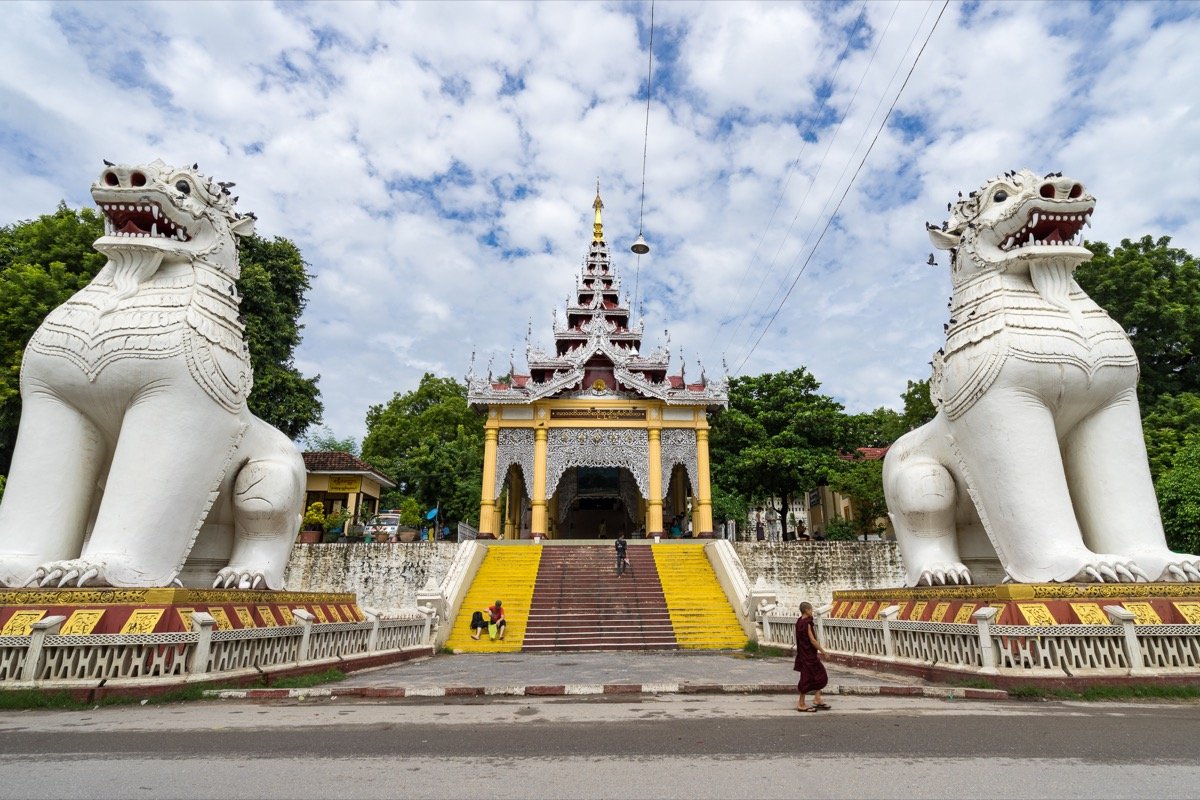
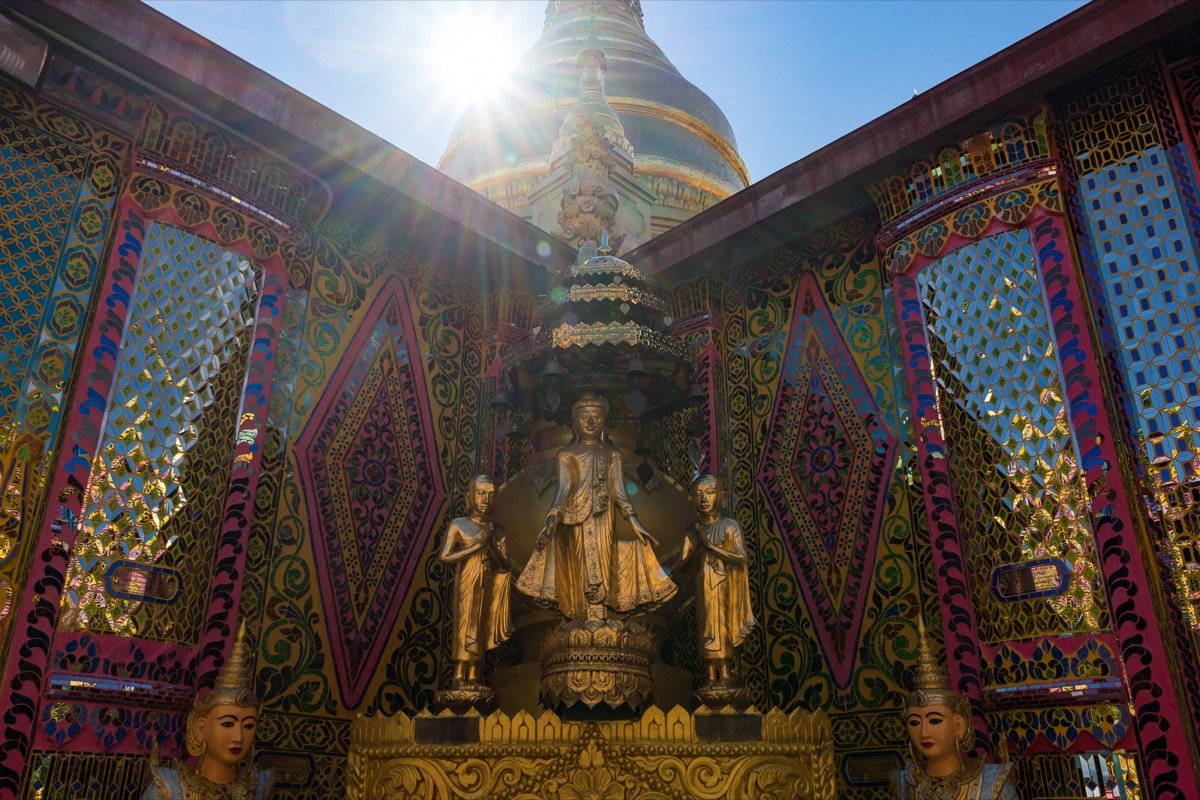
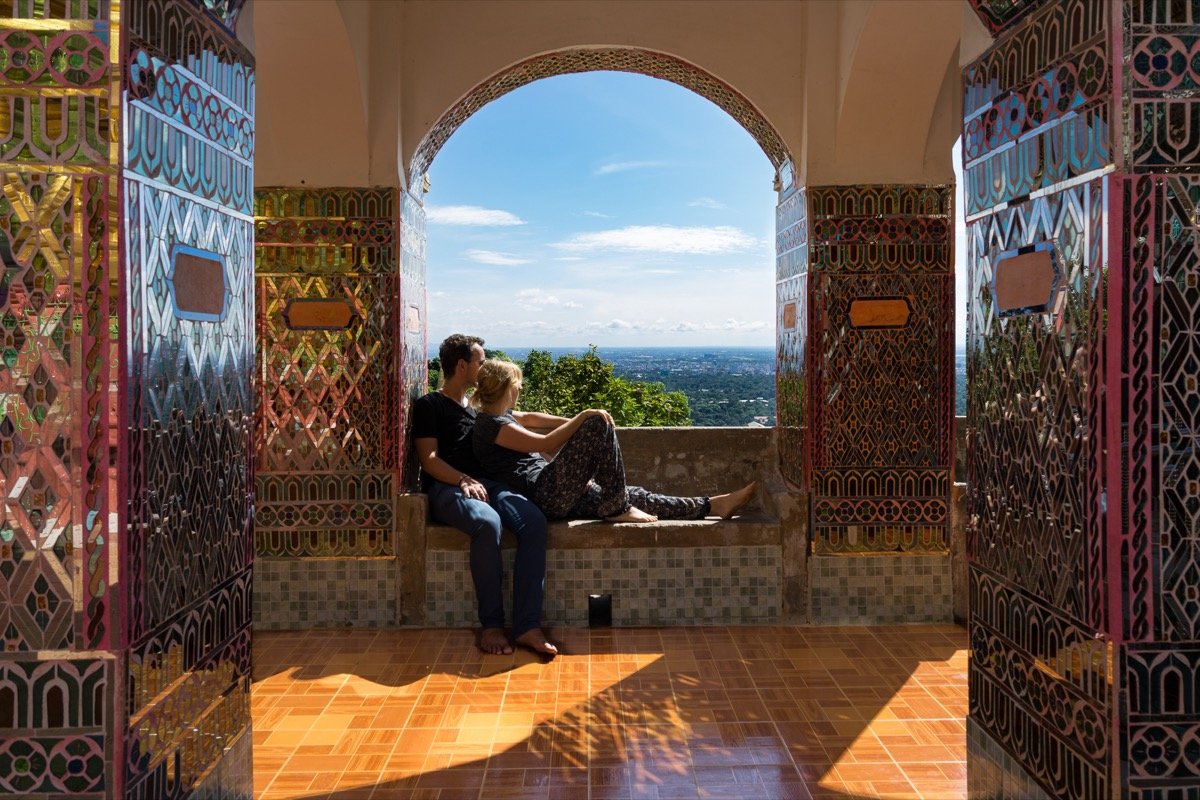
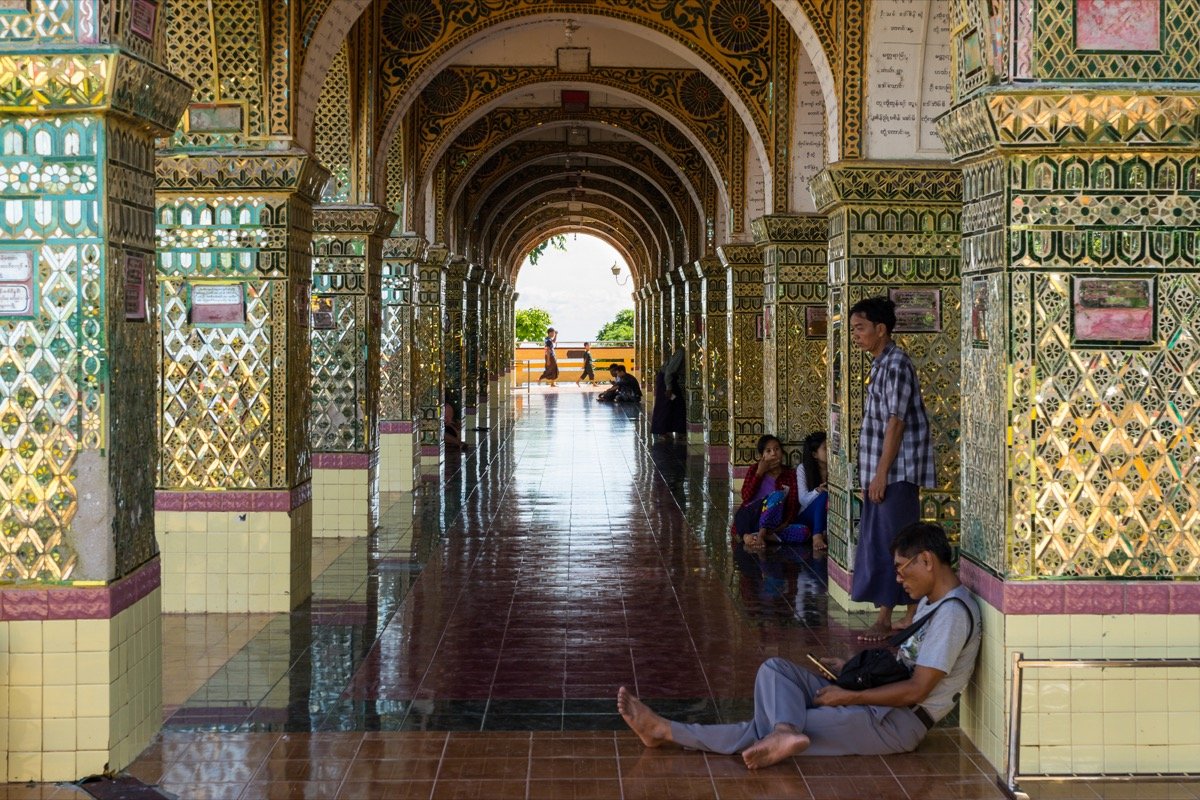
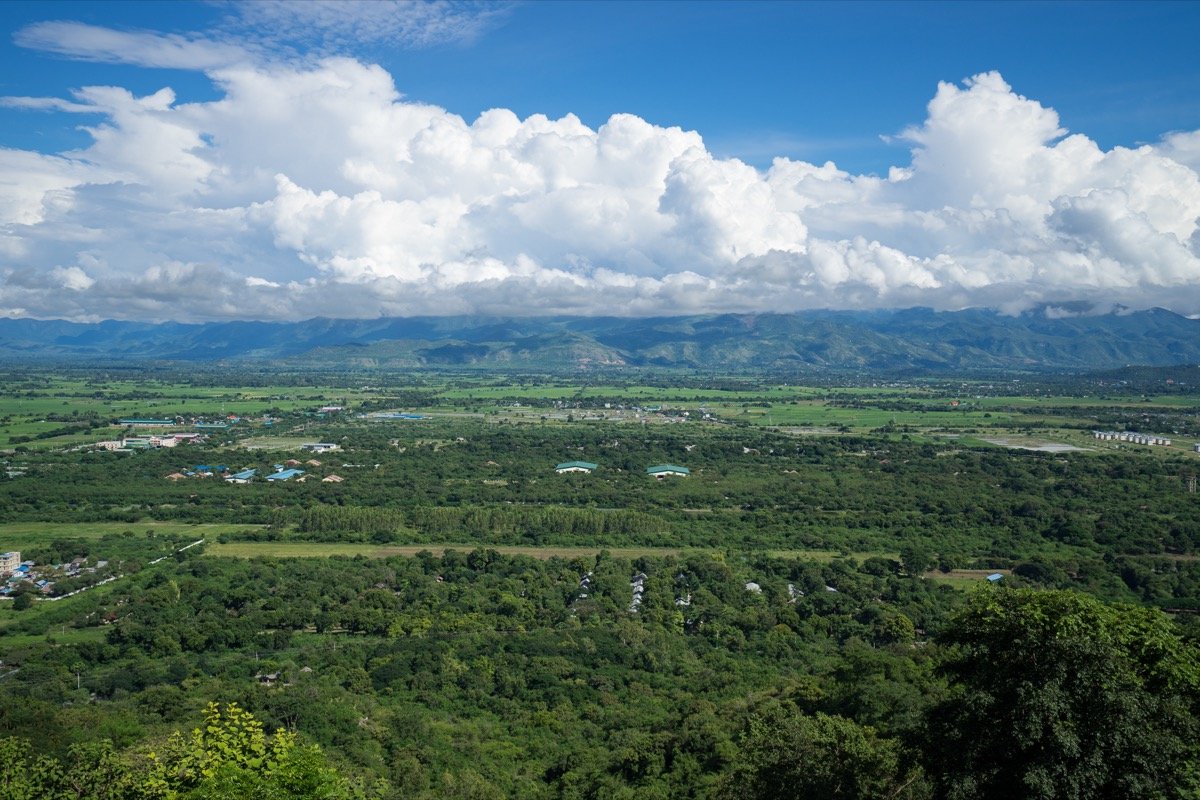
Mandalay Hill is a 236-meter-high mountain in the north of the city. From the top, you have a great view over the entire city and the surrounding area, but the ascent and the summit itself are real highlights in and of themselves.
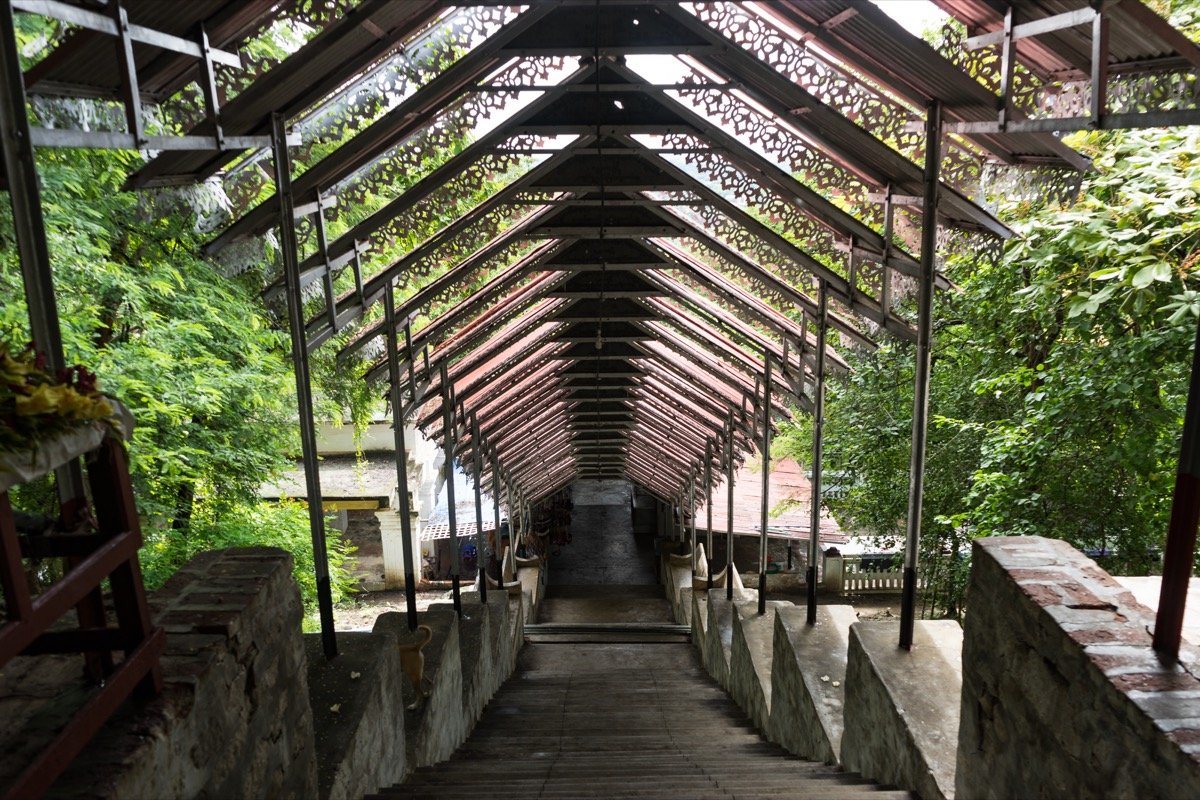
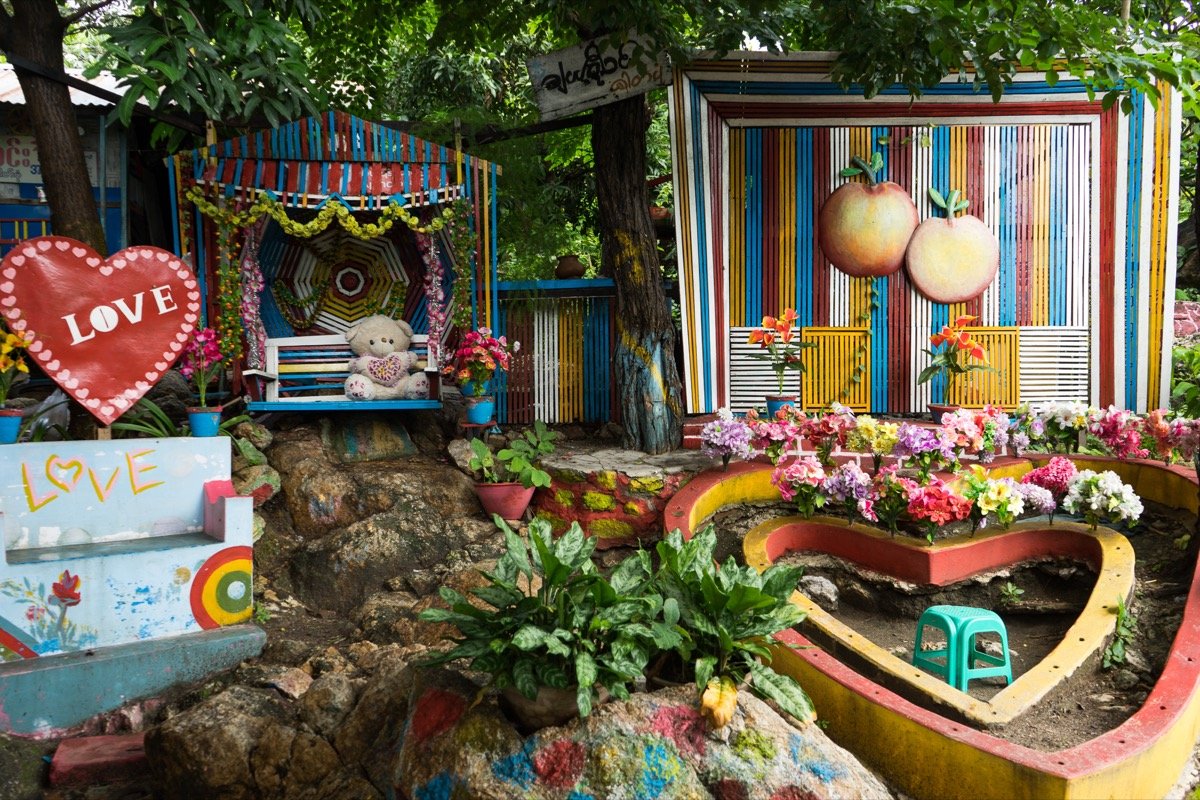
The way up along seemingly endless flights of steps takes you past souvenir stalls, Buddha statues, and cute romantic photo backdrops where you can have your picture taken.
Every time we thought we we’d finally made it, another flight of stairs appeared out of nowhere, leading even further upwards.
If that sounds too exhausting, there’s an easier way: There’s a road leading up the mountain, so you can ride a scooter or take a taxi almost all the way to the summit.
Kuthodaw Pagoda, or the world’s largest book
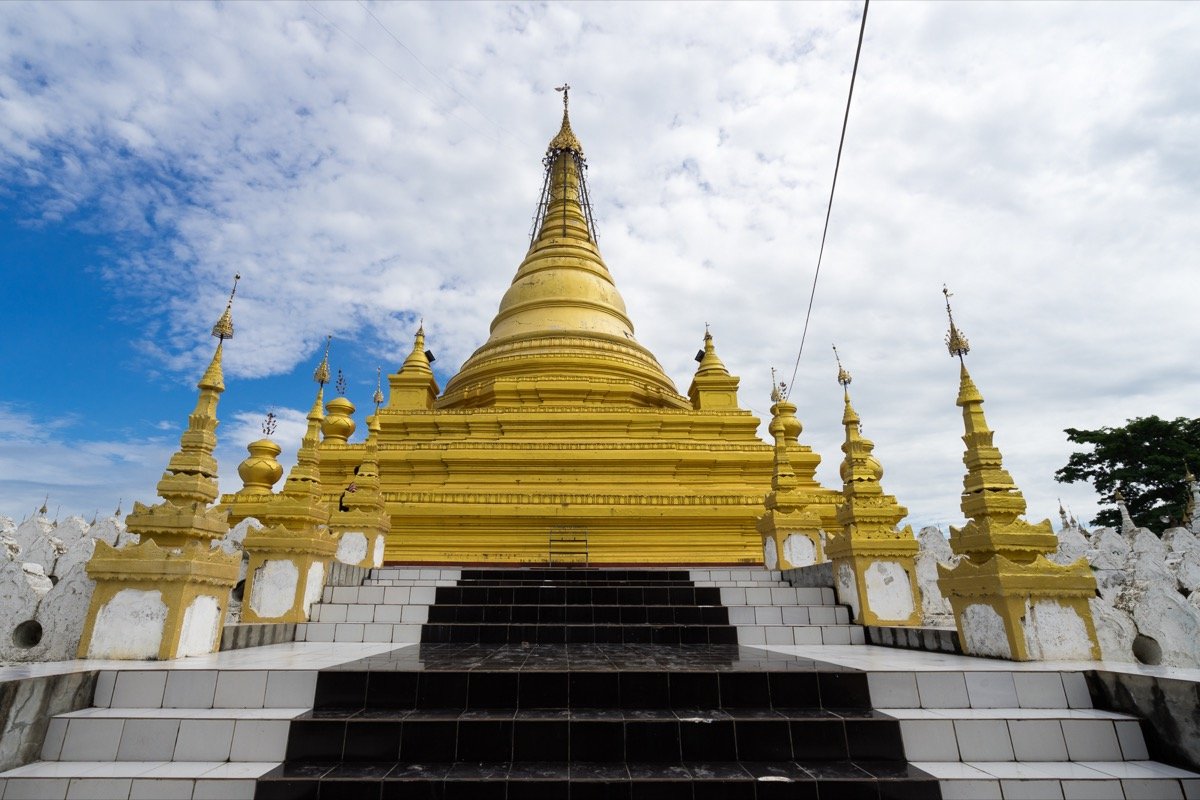
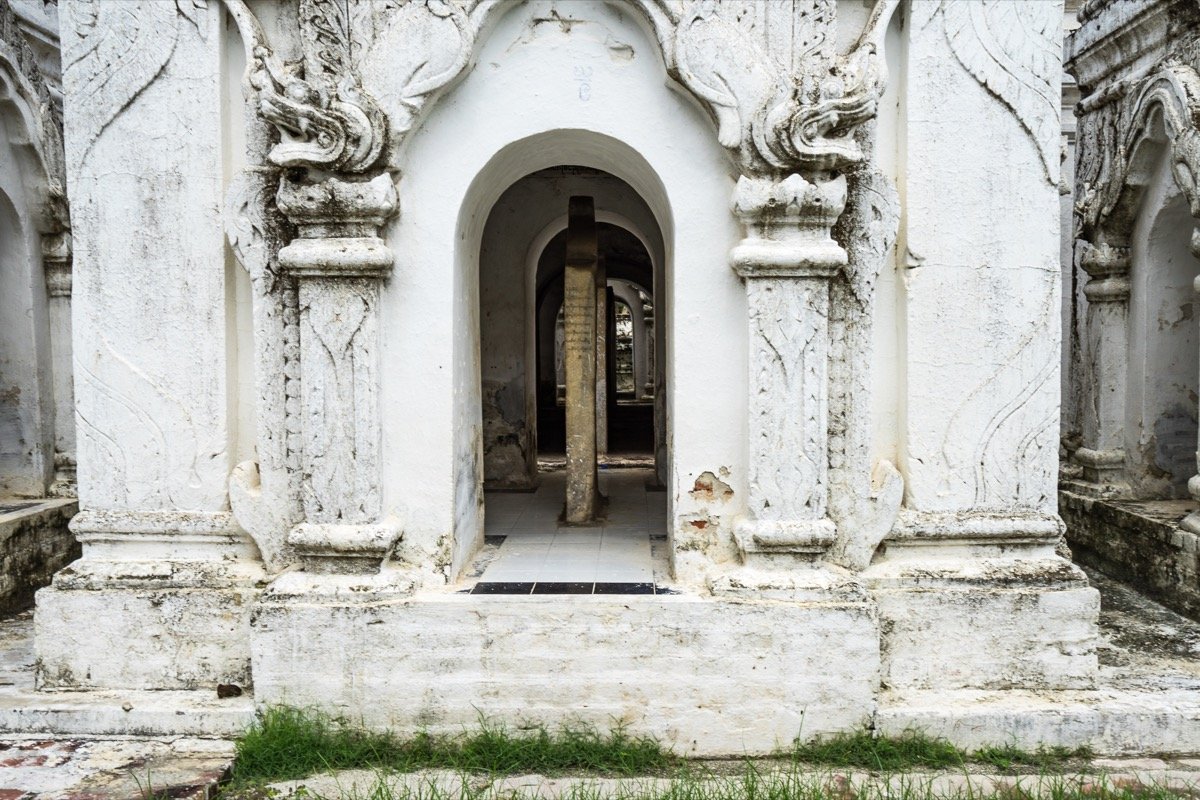
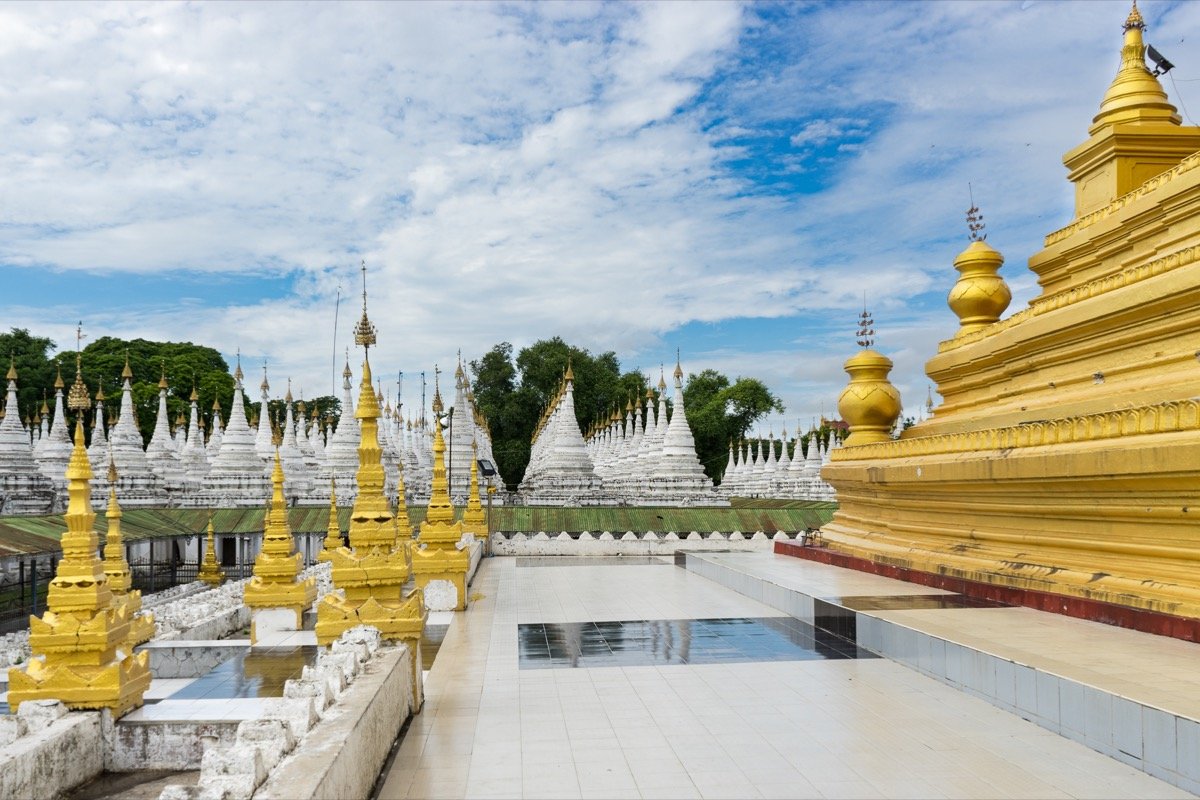
At the foot of Mandalay Hill lies the Kuthodaw Pagoda. The central golden pagoda is surrounded by 729 smaller white pagodas, each containing a marble tablet inscribed with text.
These texts reflect Buddhist doctrine and are often referred to as the largest book in the world. If they were printed on paper, the texts would fill more than 15,000 pages.
Mahamuni Pagoda
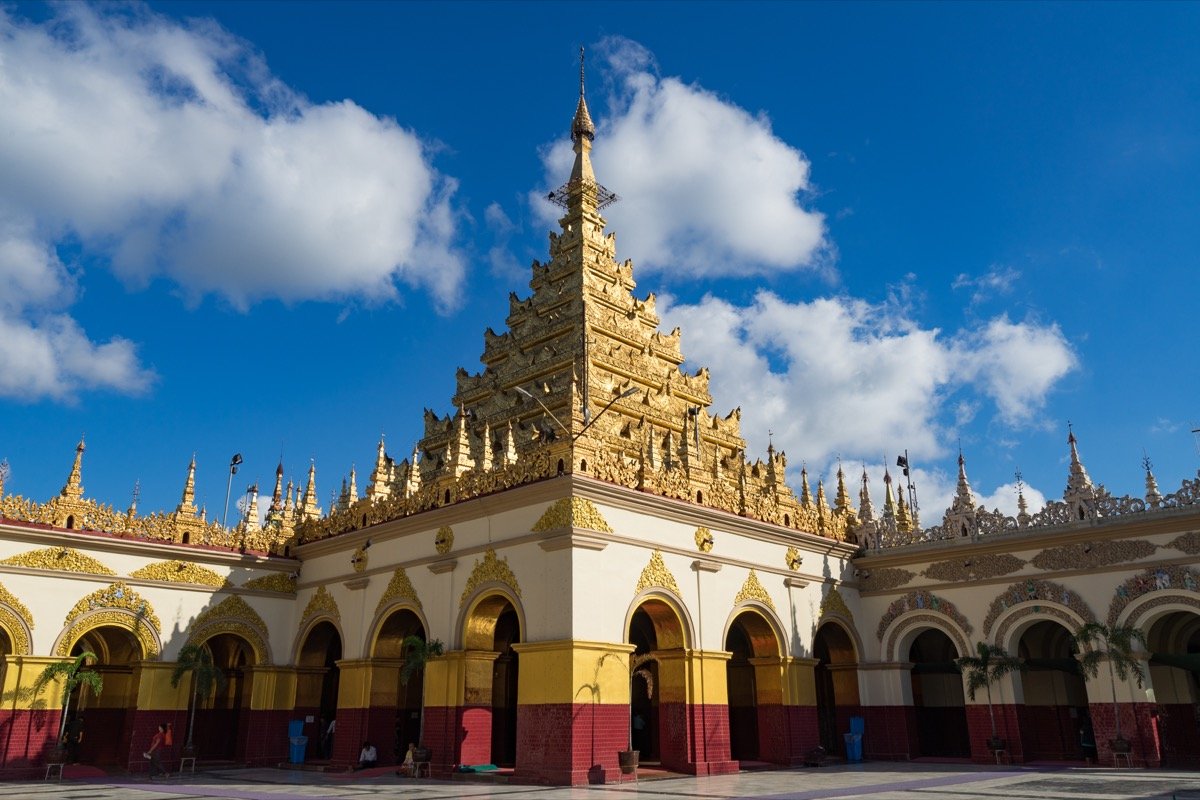
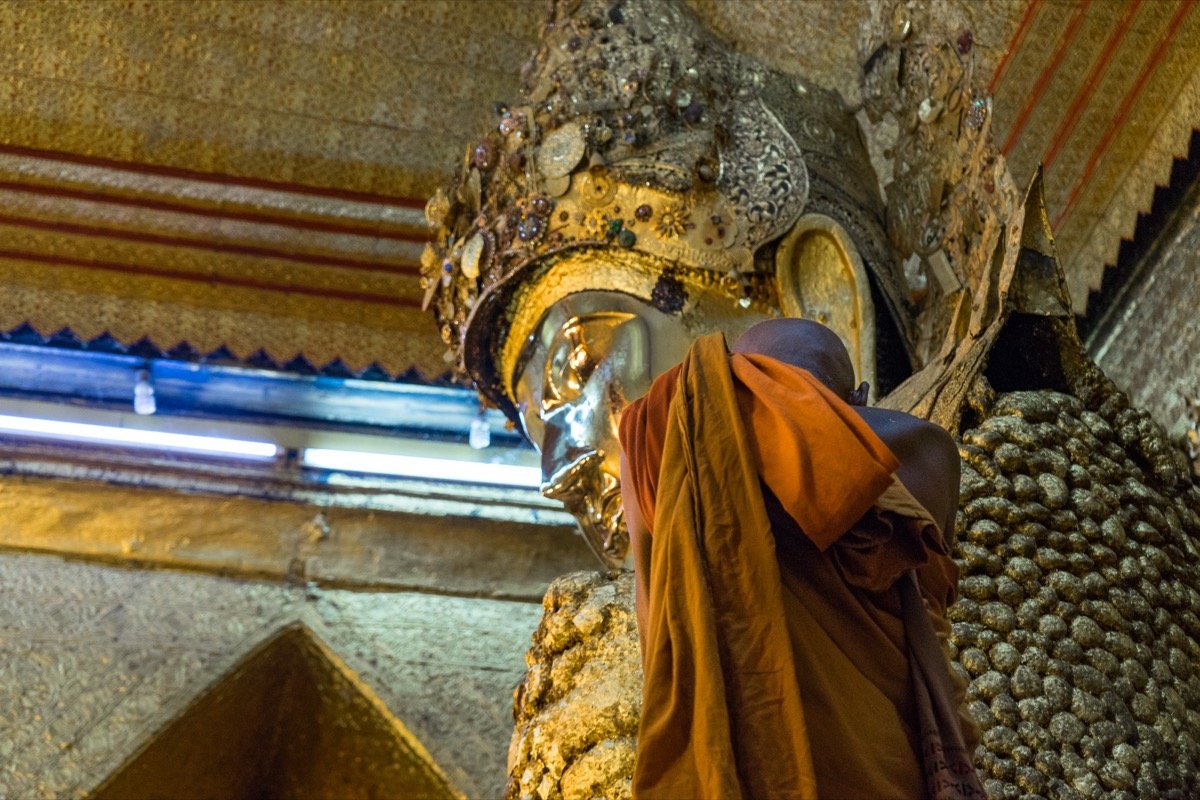
Even if you think you’ve seen all possible iterations of Buddha statues in Myanmar, the Buddha in the Mahamuni Pagoda is still bound to surprise you.
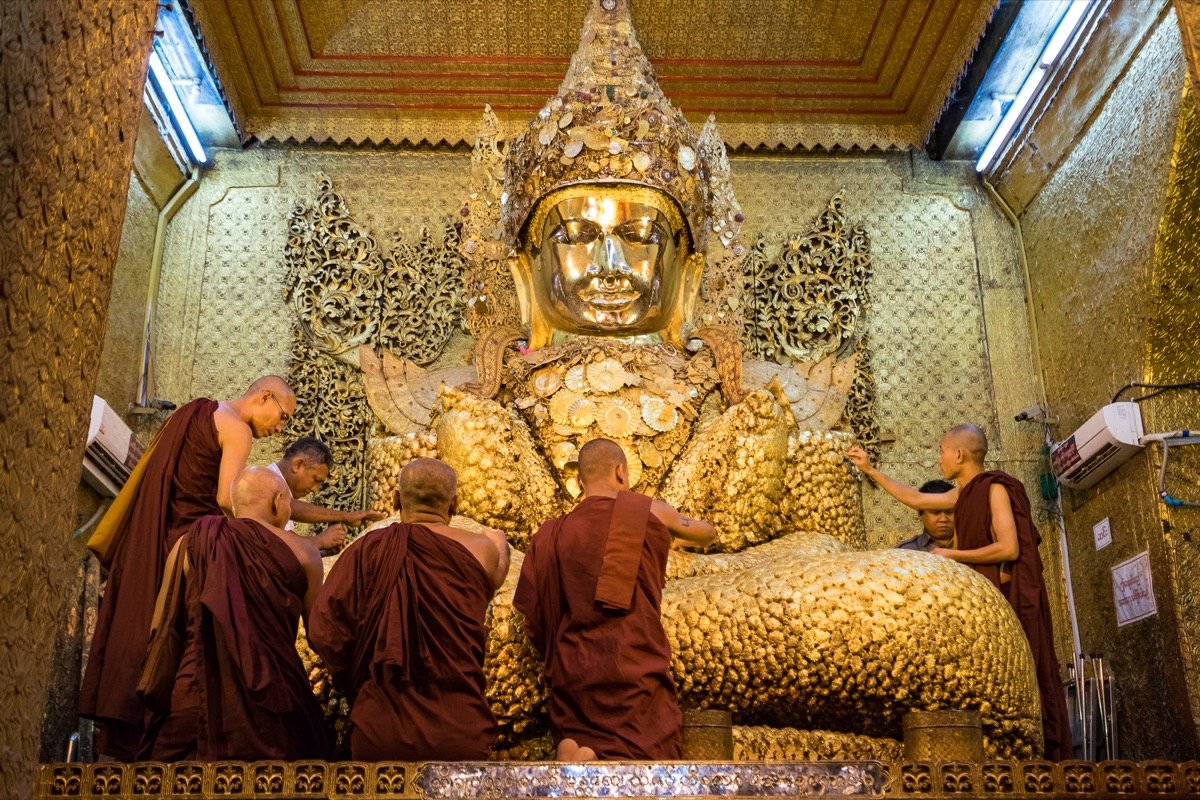
This Buddha statue is the holiest in the entire country. It’s not only richly studded with precious stones, it’s also adorned with gold leaf every day by thousands of visitors.
The superfine leaves have accumulated over the years, giving the Buddha a oddly shapeless look. It’s been estimated that the Buddha is covered with between 3 and 12 metric tons of gold leaf. Crazy!
As it happens, only male devotees are to allowed to approach the Buddha statue and apply the gold leaf.
The gold beaters of Mandalay
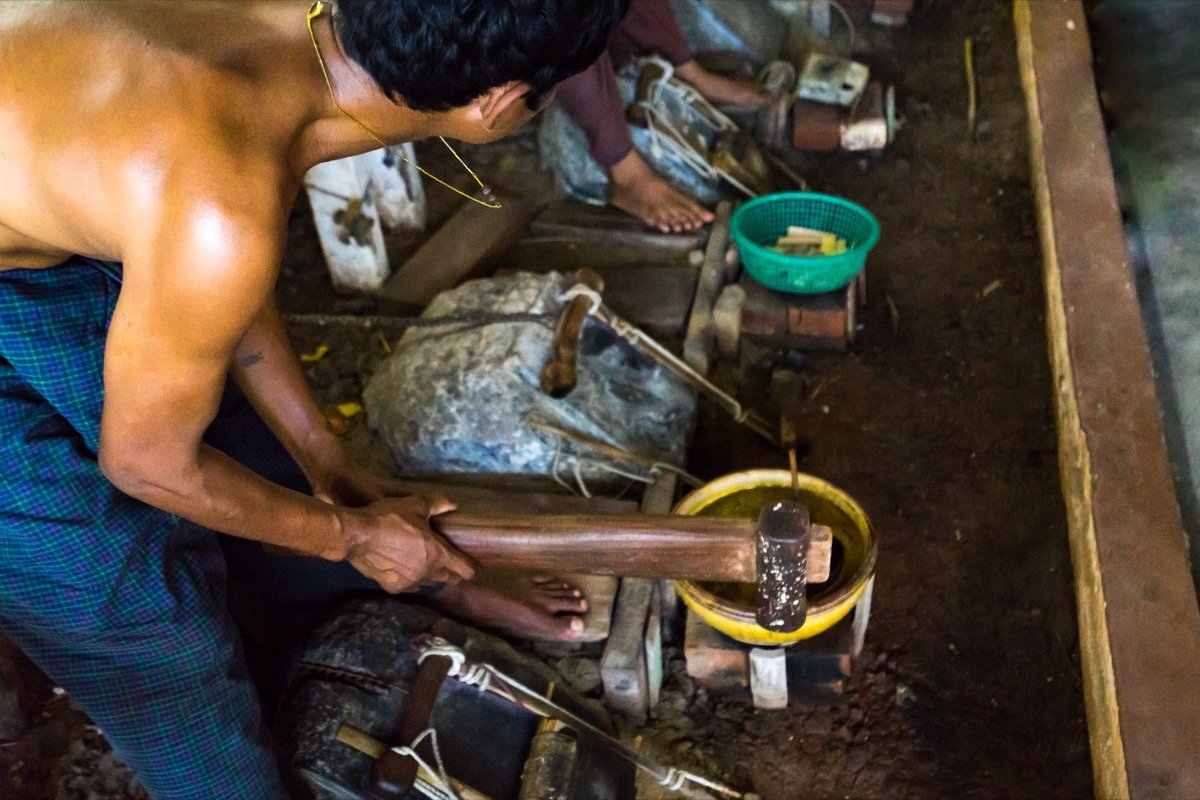
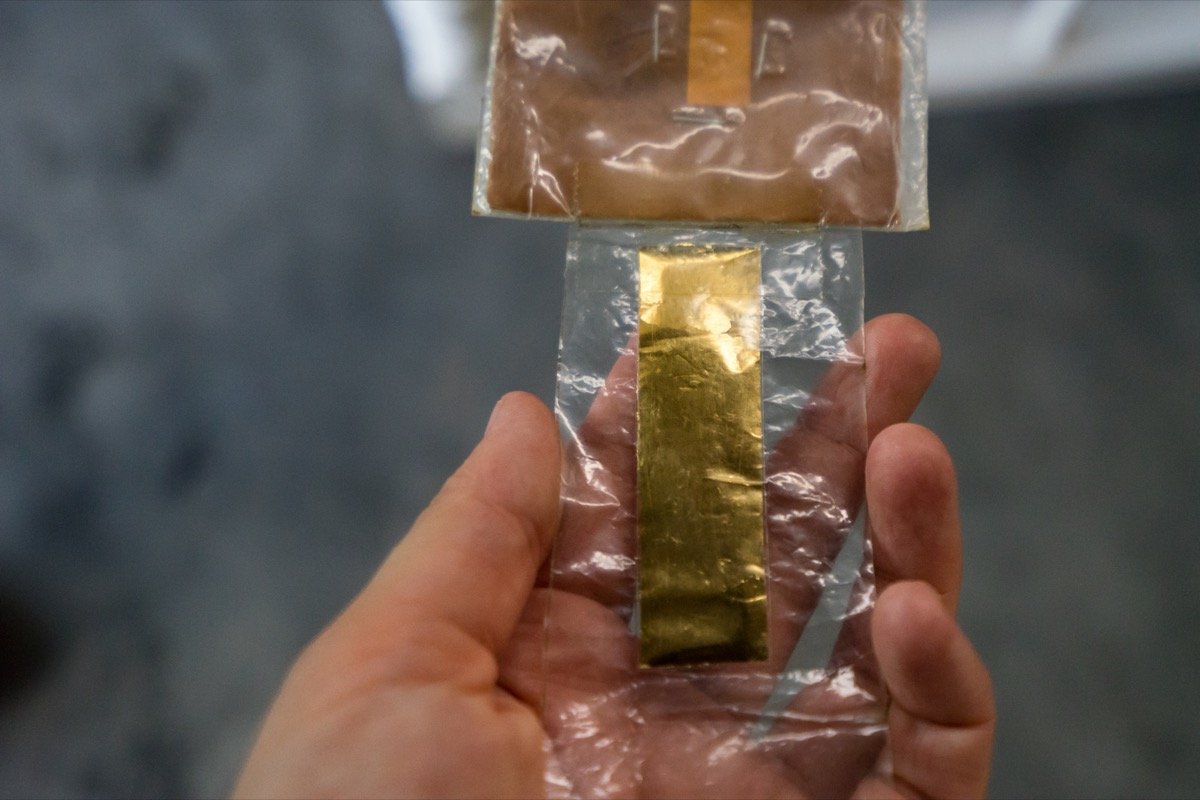
Speaking of gold leaf: Mandalay’s gold leaf production still operates on pure manpower. There’s even a dedicated profession, the gold beater.
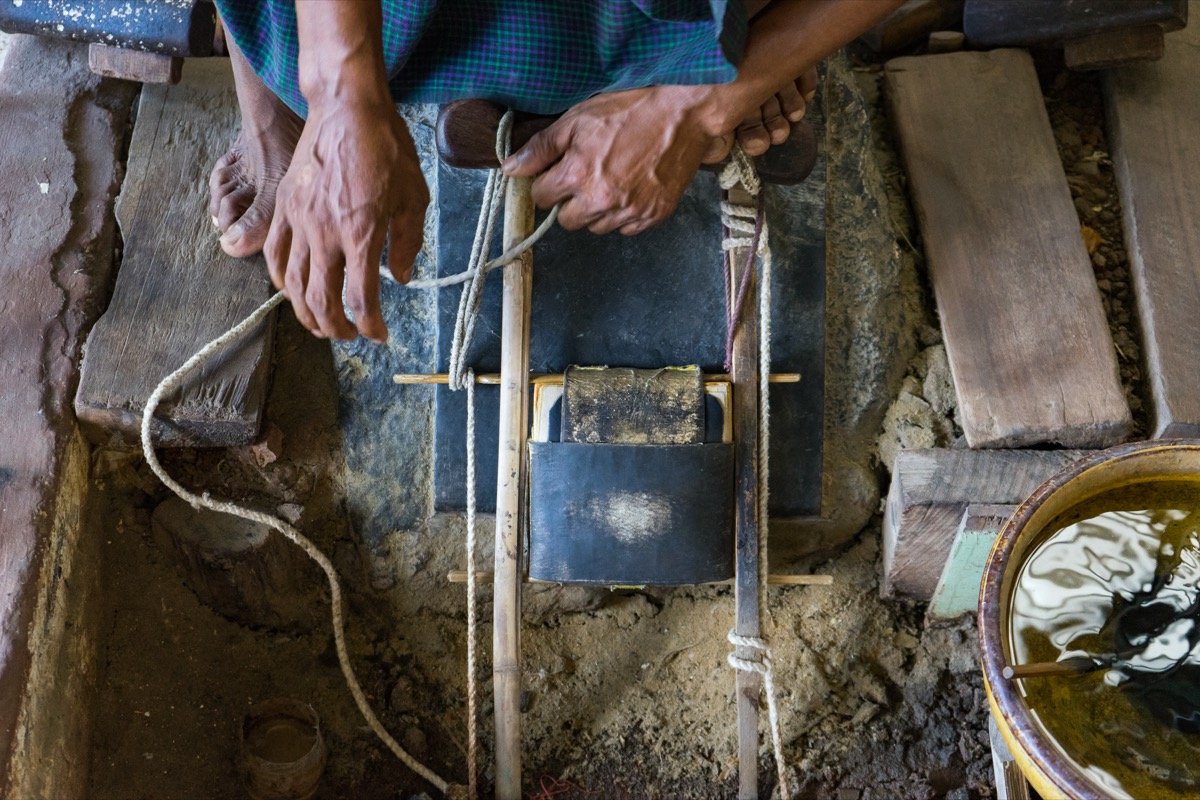
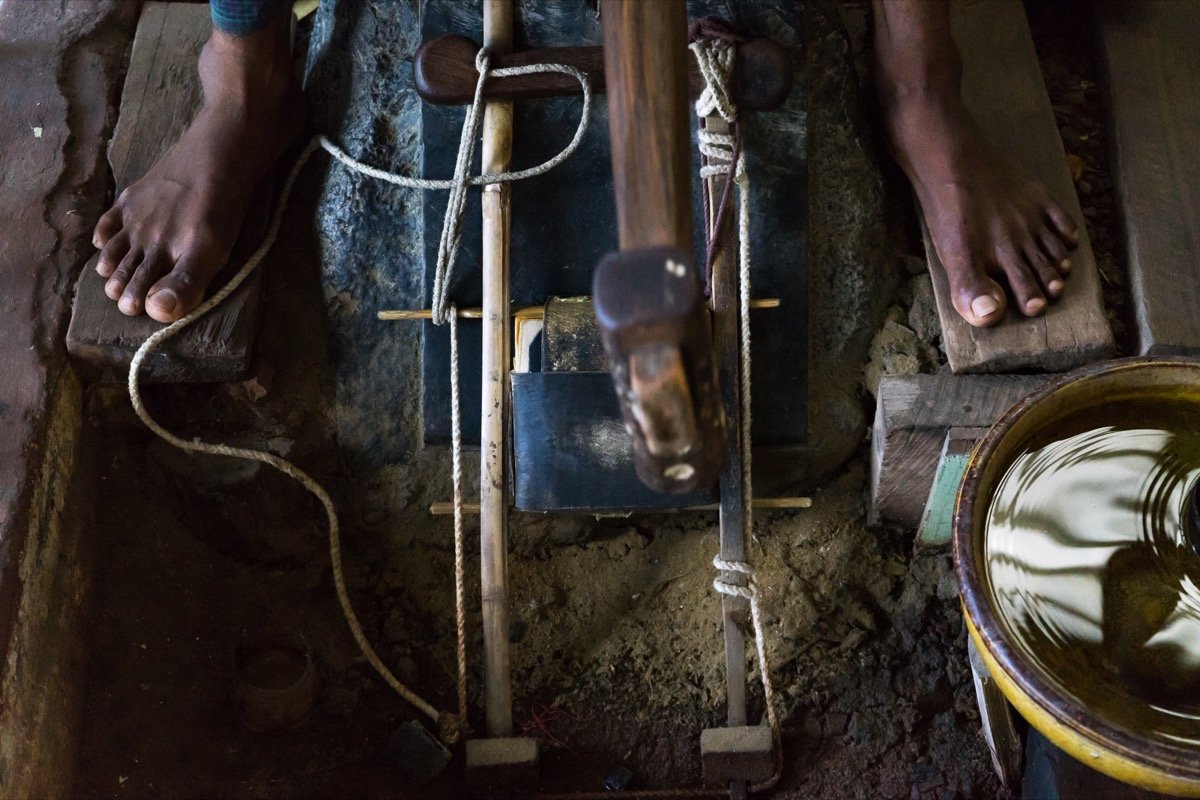
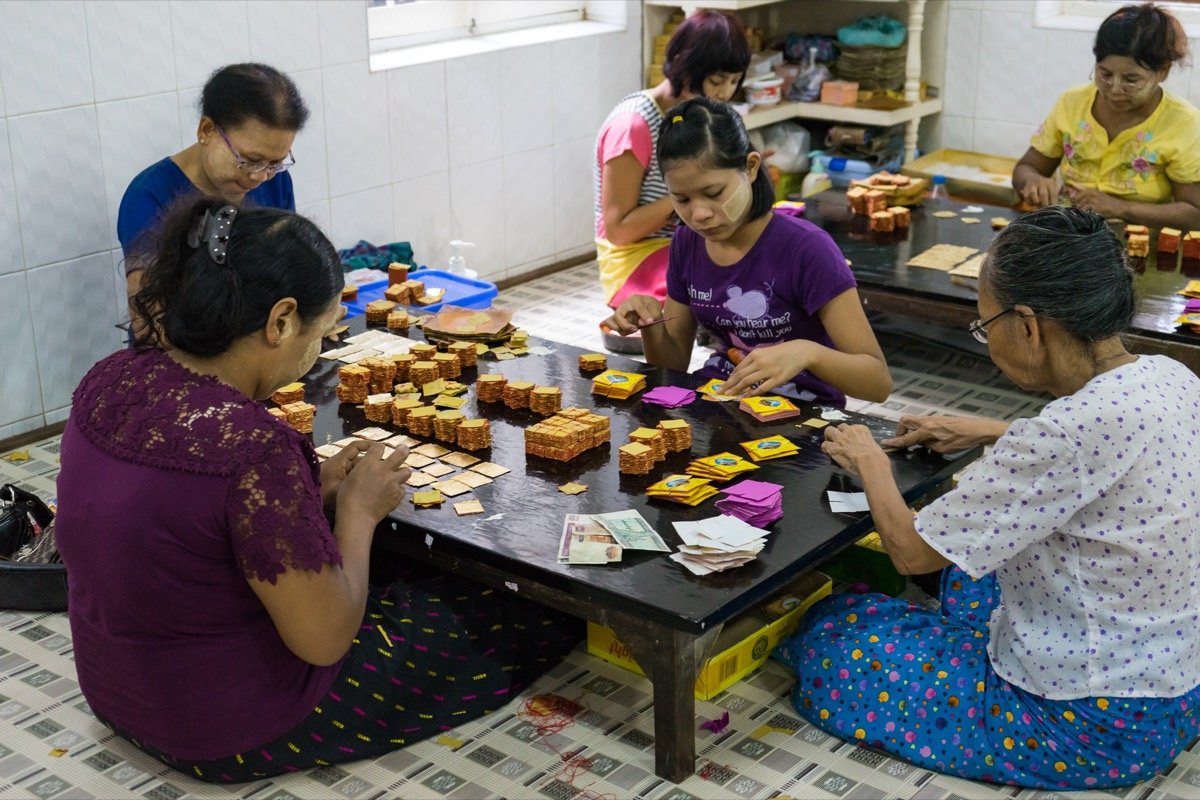
A gold beater’s daily routine involves pounding a small parcel of gold again and again with a hammer that weighs about three kilograms. It’s an extremely hard job, but it’s also in high demand. A total of 6.5 hours is spent beating a piece of gold in a number of steps until it’s only a few thousandths of a millimeter thin.
Then the gold is cut into small squares and packaged. You can buy a small packet of leaf gold for just 3,000 kyat and apply it to the Mahamuni Buddha yourself.
On 36th Street between 77th and 78th Street, there’s a small showcase workshop where you can watch the gold beaters at work and observe the process of gold beating up until the packing stage.
The Royal Palace
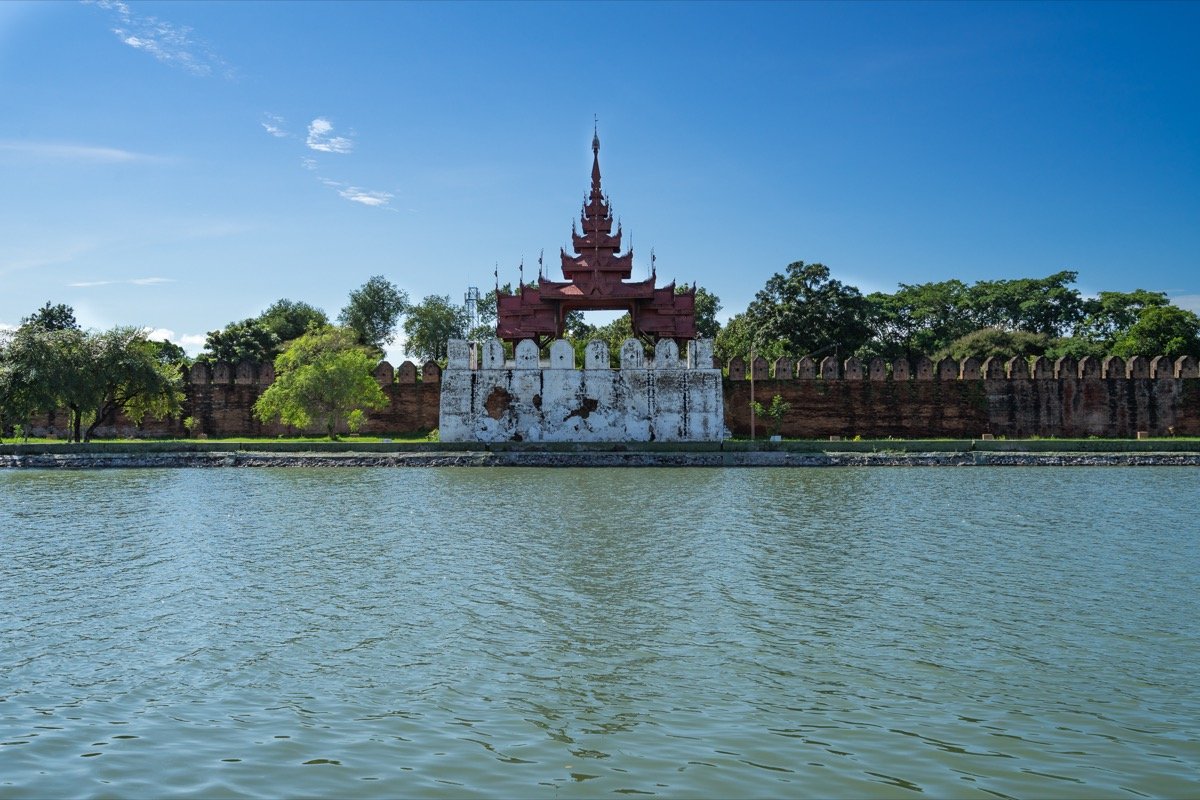
The former Royal Palace encompasses a huge, almost square site of 2×2 kilometers in the middle of downtown Mandalay.
Here once stood the ornate palace of a king that became world-famous as the Glass Palace in the novel by Amitav Ghosh. A novel we can highly recommend if you want to learn more about Myanmar’s history.
Sadly, the palace was completely destroyed and nothing is left of it except for the wall running around the grounds. There have been attempts to rebuild the palace, but they never panned out.
You can probably skip a tour of the palace grounds because there isn’t much to see there.
Where to stay in Mandalay
Hotel rates are generally lower in Mandalay than in the rest of the country. You can get a really nice room for not much money.
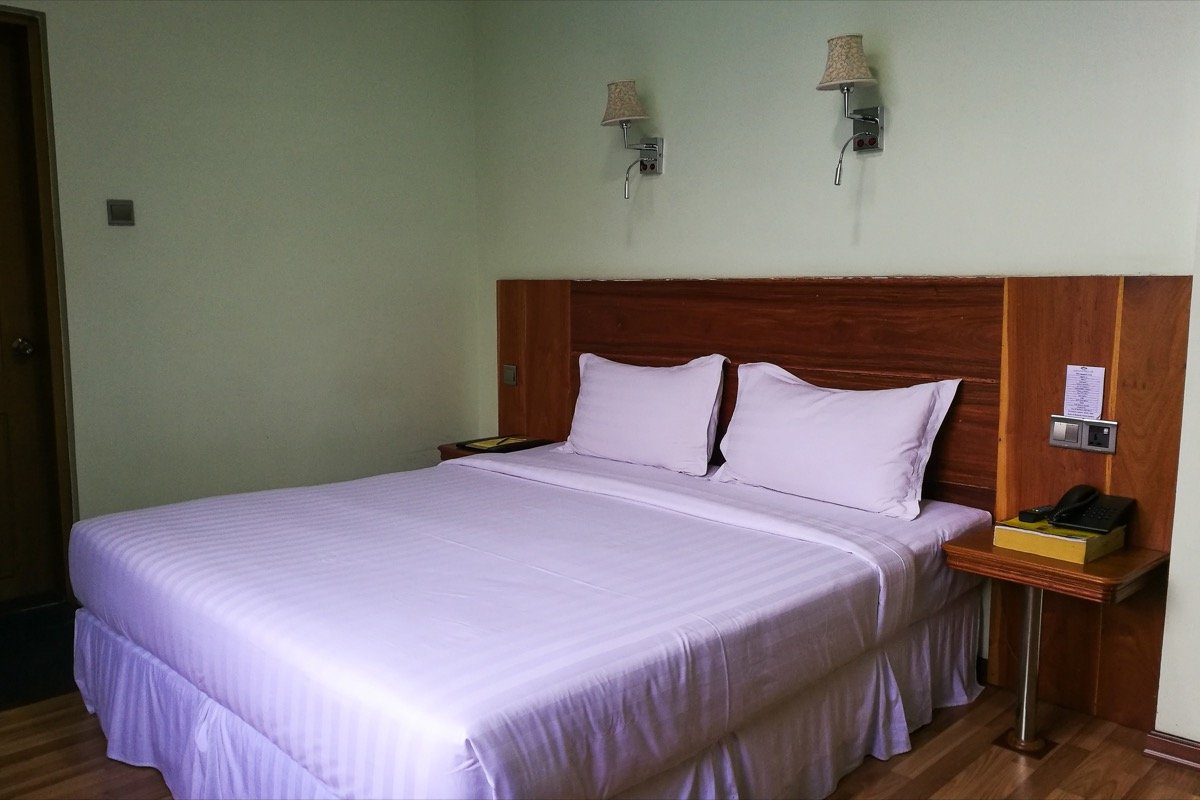
We stayed at Hotel 8 and only spent 23 dollars per night. You could easily end up paying 40 dollars or more for a similar room in other parts of the country. The hotel is in a good location and has simple, modern rooms and a relatively good breakfast.
Our hotel: Hotel 8 in Mandalay
Unfortunately, the hotel was fully booked for the final days of our stay, so we moved to the Night Sweet Hotel. It wasn’t quite as good, but not bad either. If you’d like something a bit more luxurious, we’d recommend the Home Hotel.
Getting around in Mandalay and the surrounding area
First the good news: Getting around in Mandalay is really easy, because the streets in the city center are arranged in a grid and have numbers rather than names.
But overall, Mandalay is pretty vast and not much fun to explore on foot. It’s easier to just take one of the ubiquitous taxis to get from A to B.
Exploring Mandalay and the surrounding area by scooter
We rented a scooter and can highly recommend doing the same. That way you’re fast and flexible in Mandalay and have an easy way of going day trips to Amarapura, Inwa, and Sagaing.
Traffic is pretty manageable and since you drive on the right-hand side of the road in Myanmar, it should be easier to get used to than in other Southeast Asian countries – if you’re from continental Europe or another right-hand-driving country that is.
Just ask for the best place to rent a scooter at your hotel, they should be able to hook you up. We were able to hire one directly from the hotel and paid 1,000 kyat per hour. A full day on the road generally came to about 8,000 to 9,000 kyat, which is a very fair price. Gas is really cheap too.
Exploring Mandalay and the surrounding area with a guide
For our trip to Monywa, which we’ll tell you more about below, we hired Zaw Zaw as our driver and guide.
He came highly recommended, and we can definitely pass on that recommendation. Zaw Zaw speaks excellent English and is a pleasure to talk to. You can ask him anything you’ve ever wanted to know about Mandalay and Myanmar. His prices are fair and he’s extremely friendly.
You can get in touch via his e-mail address zawzaw21@gmail.com. Zaw Zaw also organizes bicycle tours throughout the country. If that sounds like your kind of thing, then he might just be the right guy for you.
Day trip from Mandalay to Amarapura, Inwa, and Sagaing
There are several highlights in the immediate vicinity of Mandalay. Just to the southwest of the city, there are three great sights that you can visit on a single day trip.
First, let us show you what these three towns have to offer and then we’ll share some tips for your tour.
Sights and attractions in Sagaing
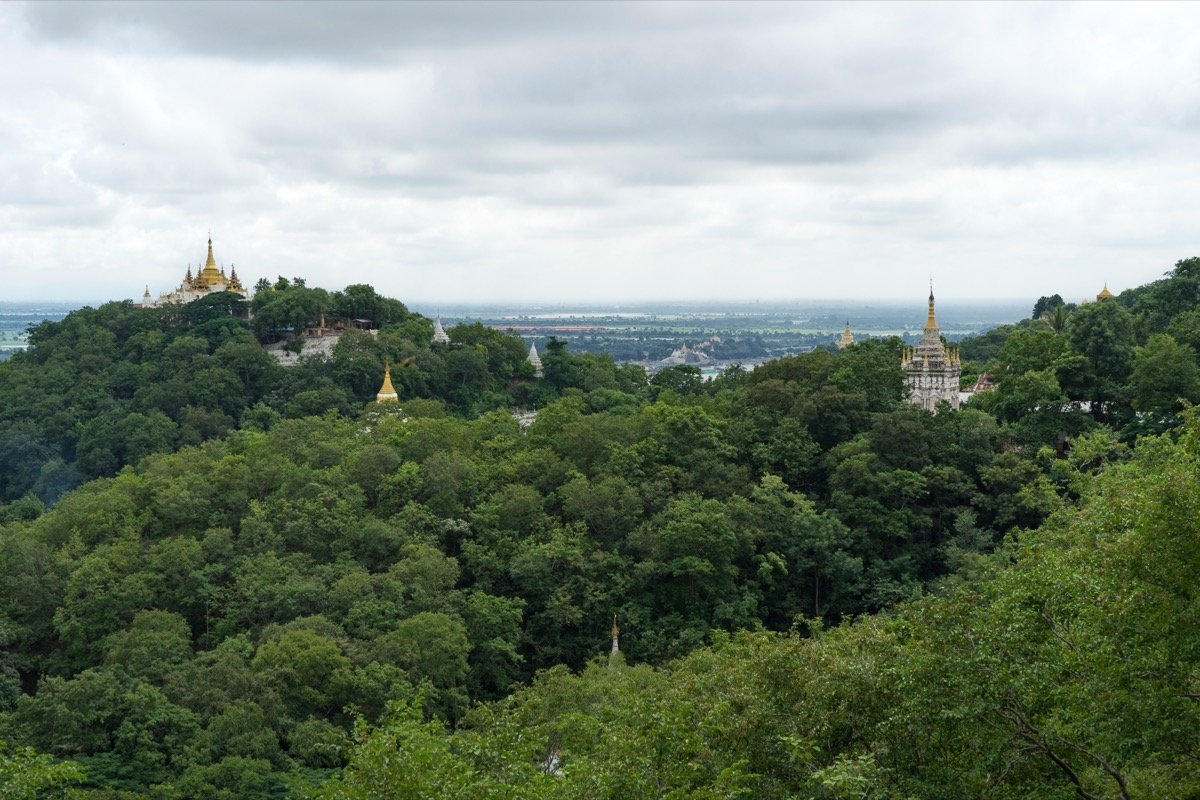
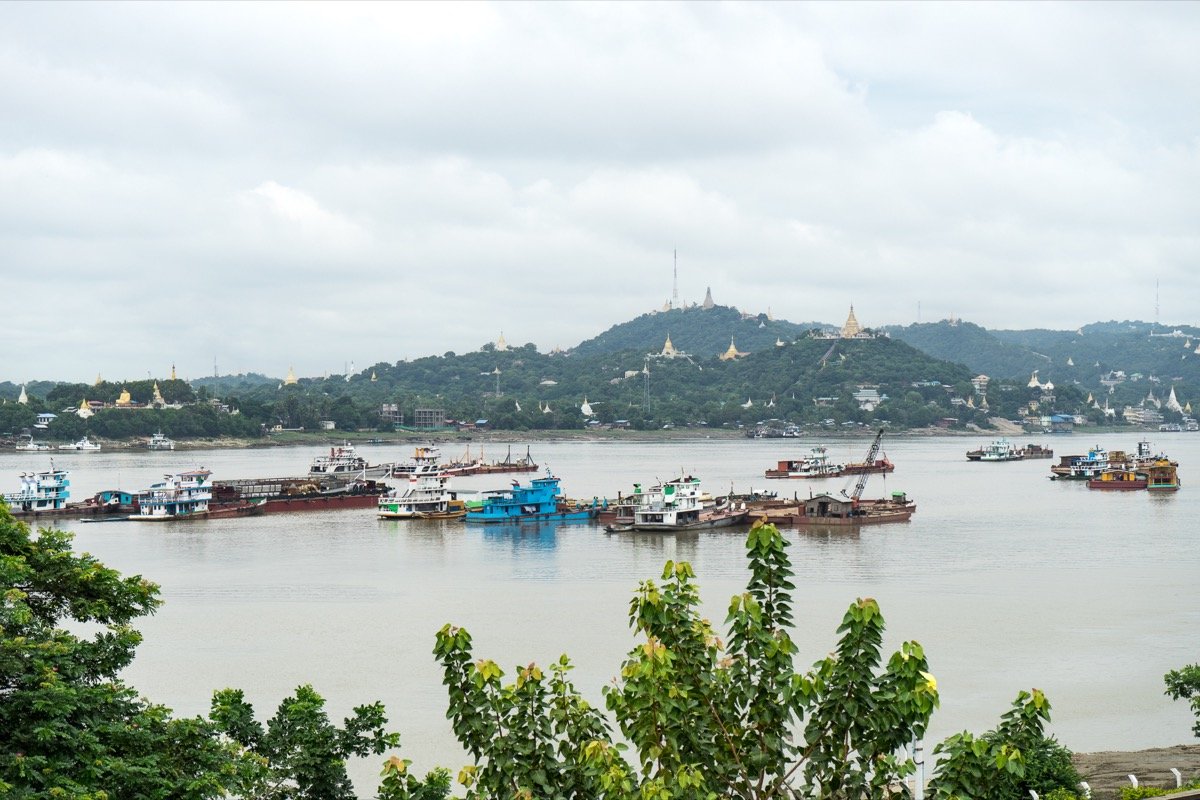
The hills of Sagaing extend to the west of the Irrawaddy River. The enormous bridge leading to the other side of the river offers an amazing view.
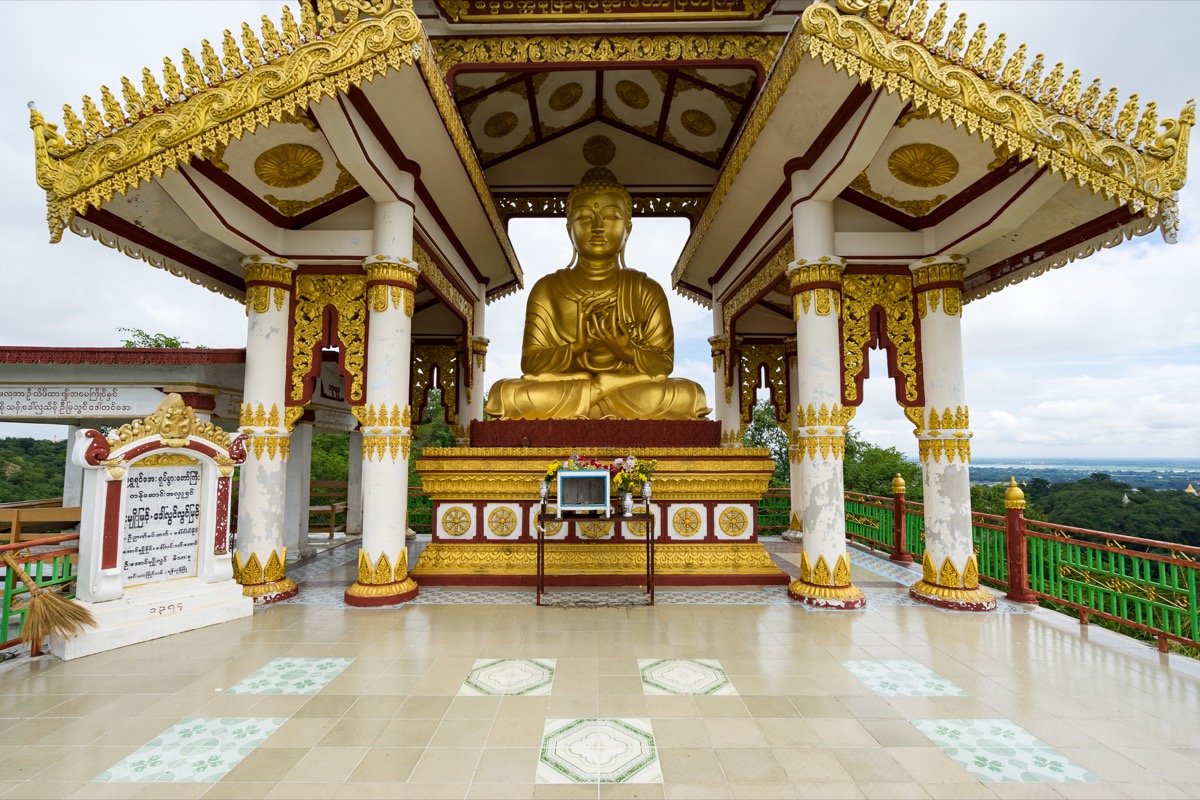
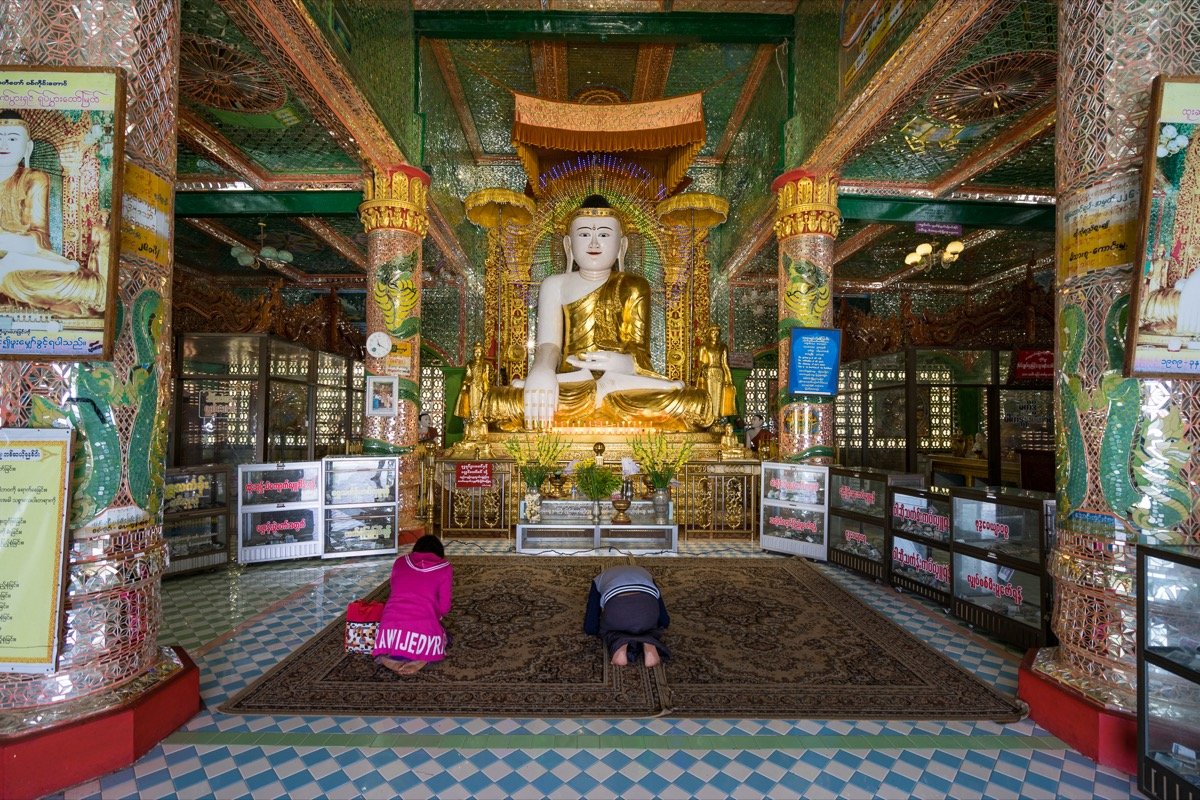
The hills are dotted with a total of over 700 temples and pagodas with their golden sheen gleaming out in between the green of the mountains. The pagodas themselves aren’t really major highlights on their own, but taken together, they make Sagaing really special.
But then again, we were pretty spoiled after four weeks in Myanmar and it was hard to get excited about new pagodas anymore. If you start your trip to Myanmar in Mandalay, then Sagaing is sure to impress you.
Sights and attractions in Inwa
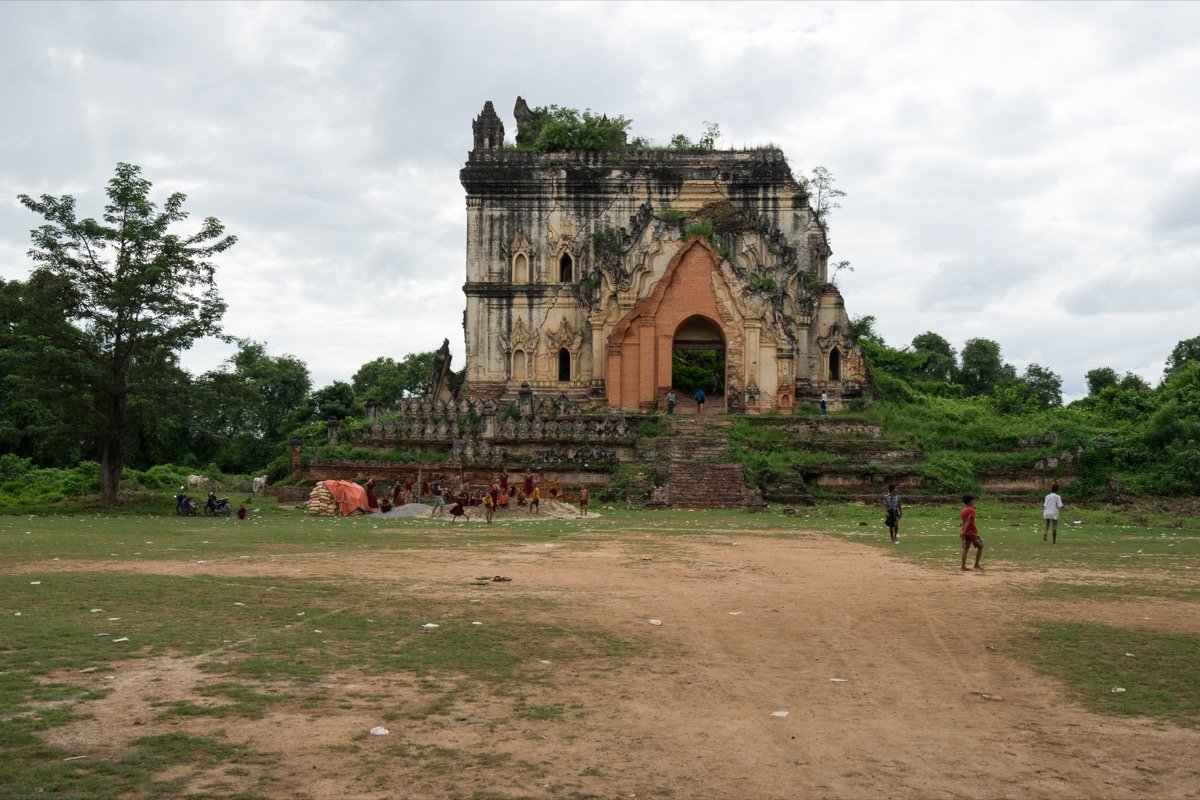
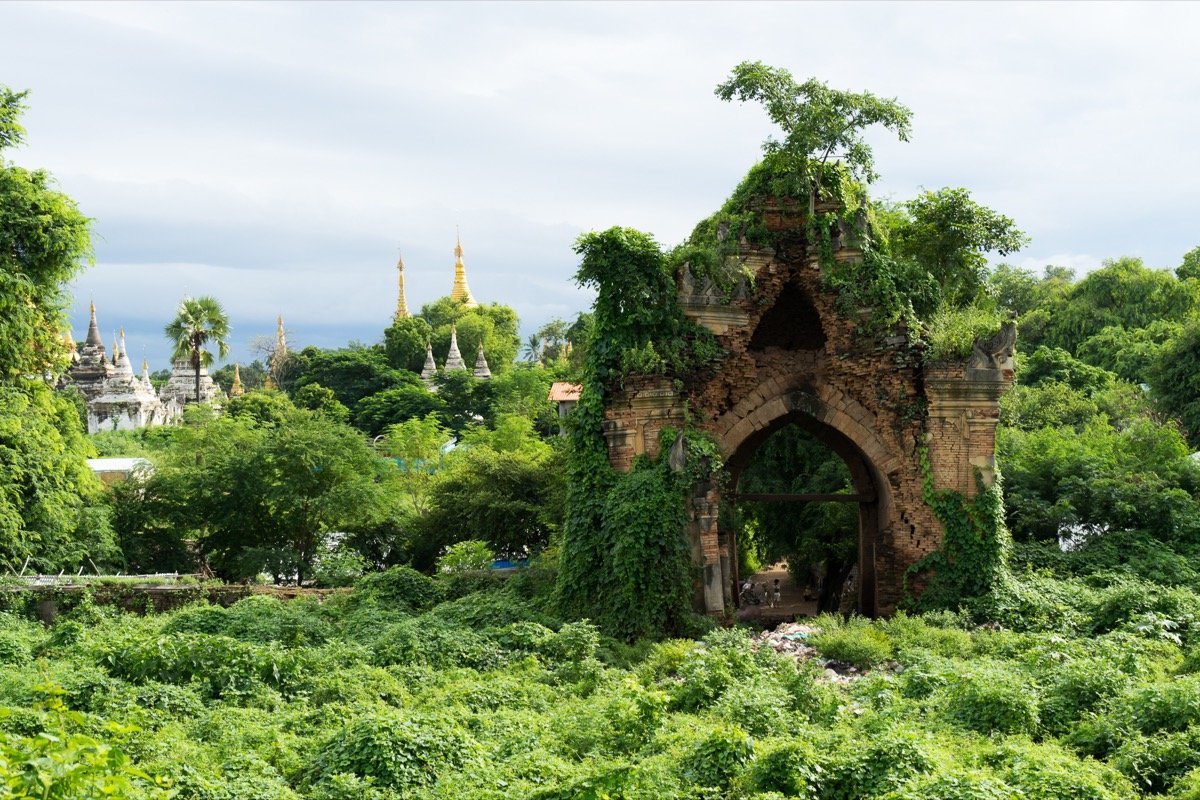
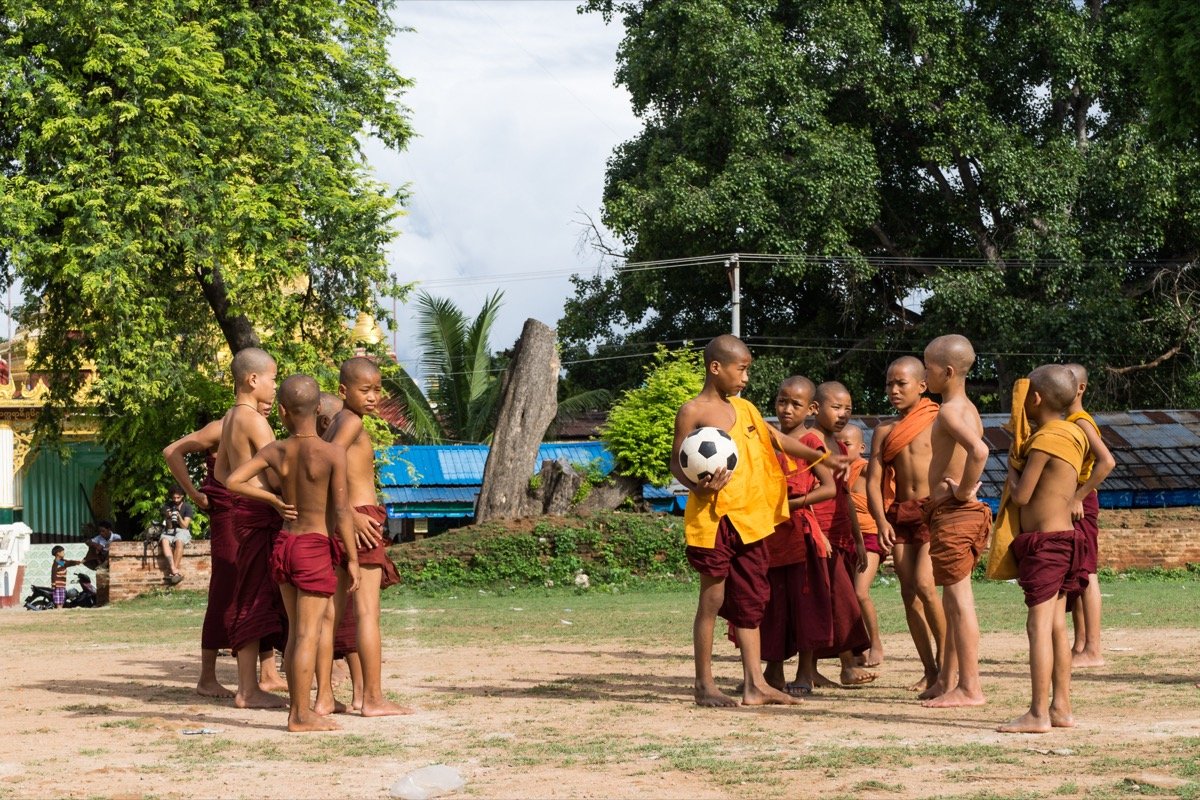
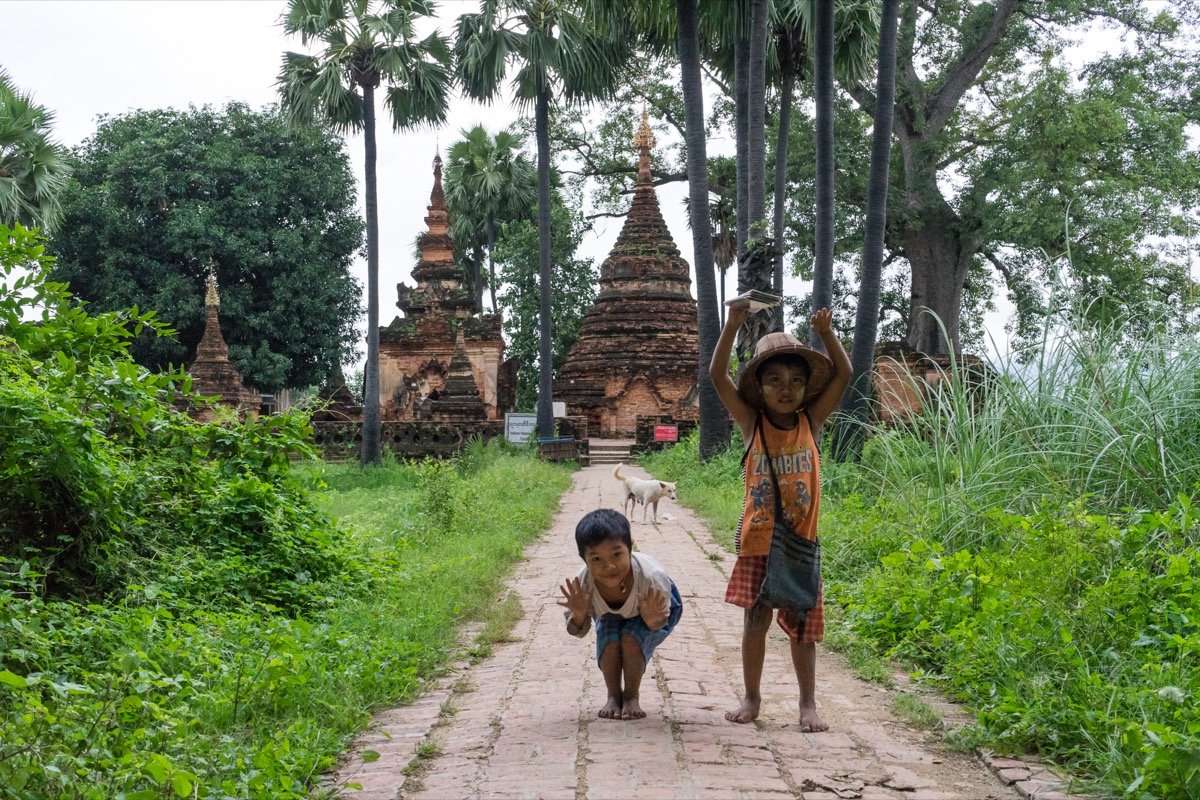
Inwa used to be the capital of a series of Burmese kingdoms lasting more than 400 years. Today that seems almost unimaginable as all that remains now are a few ruins surrounded by fields and meadows.
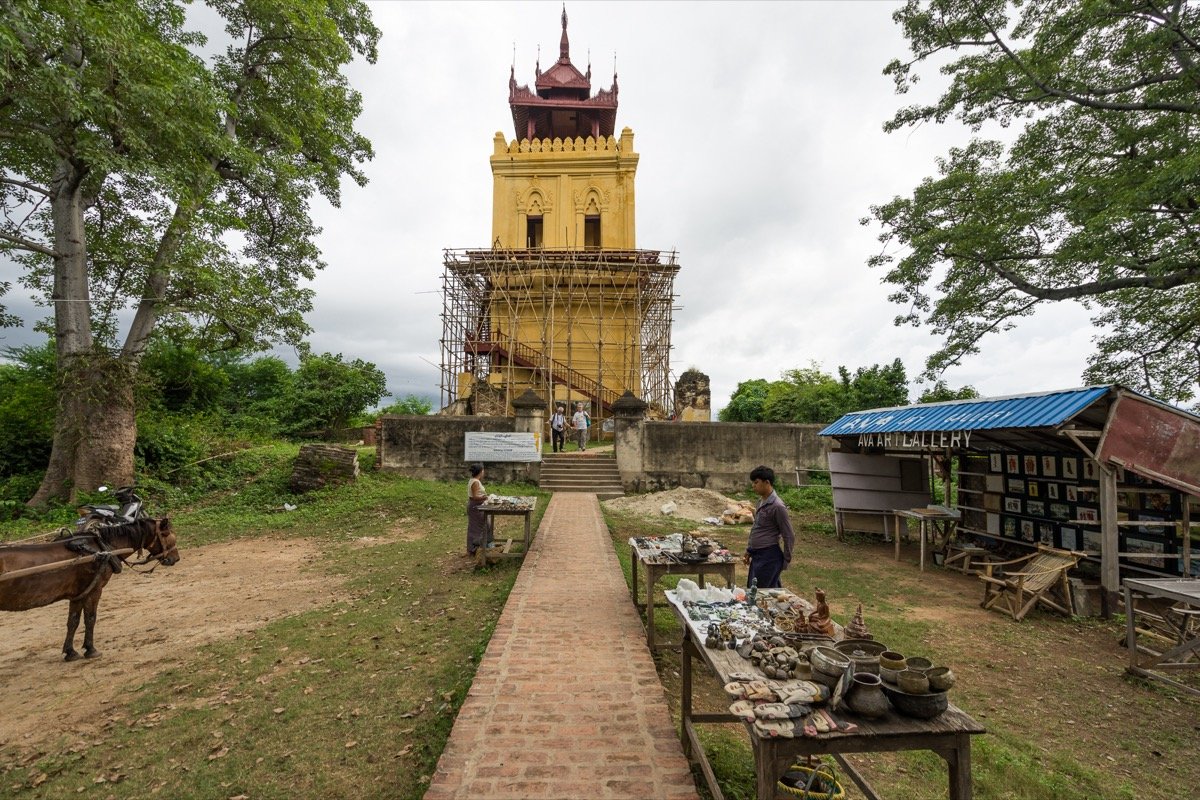
Many travelers take horse-drawn carriages to explore Inwa, which you can hire for around 8,000 kyat per tour. We explored the area with our own scooter.
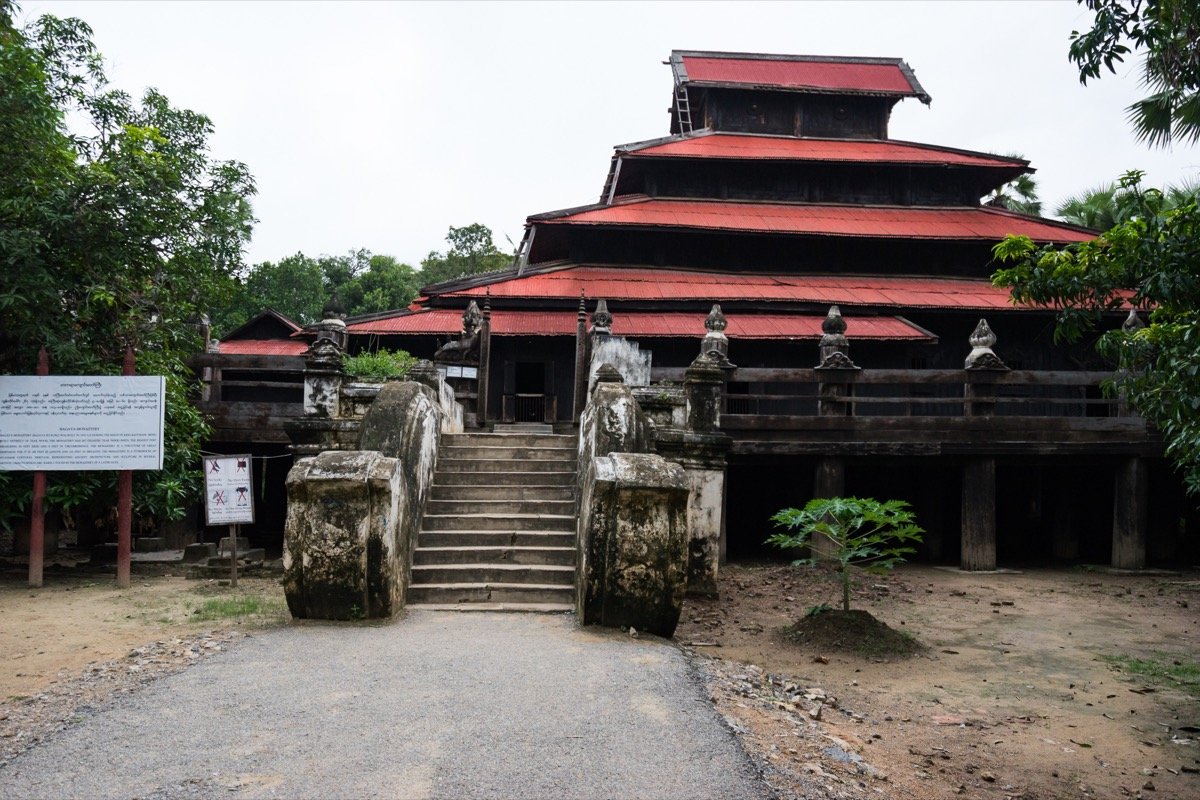
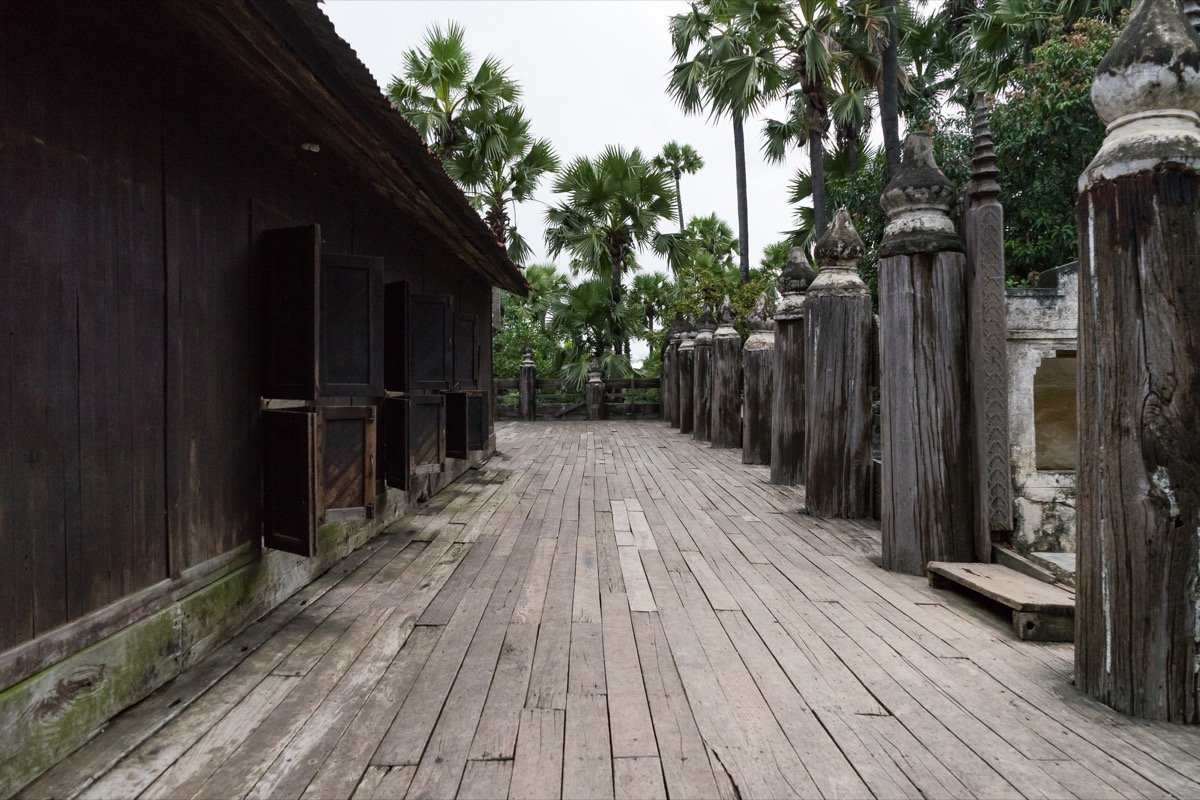
Unfortunately, it had been raining heavily the day before, so the roads were extremely muddy and we couldn’t get through with our scooter. But we still saw quite a bit, e.g. the leaning tower, which is currently being restored, a pagoda ruin with such scary cracks in its walls that you think it’s about to collapse any minute, or the wooden Shwenandaw Monastery.
Sights and attractions in Amarapura
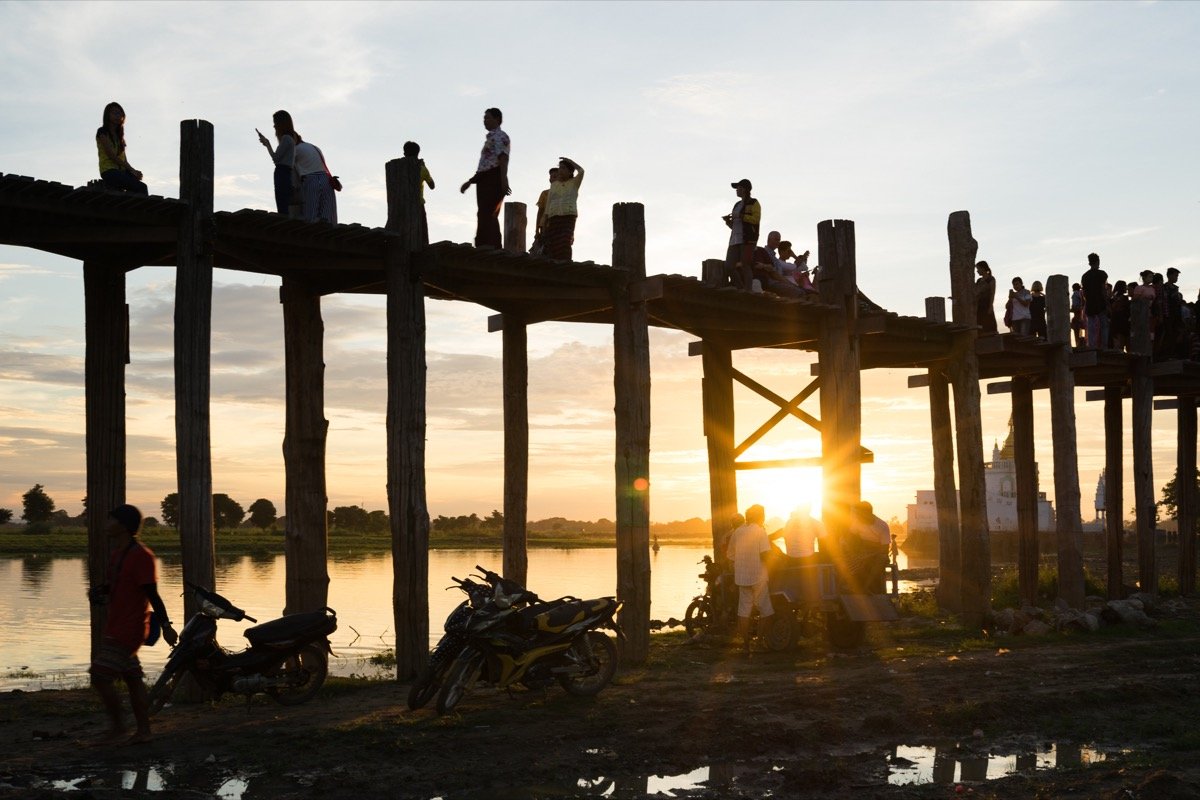
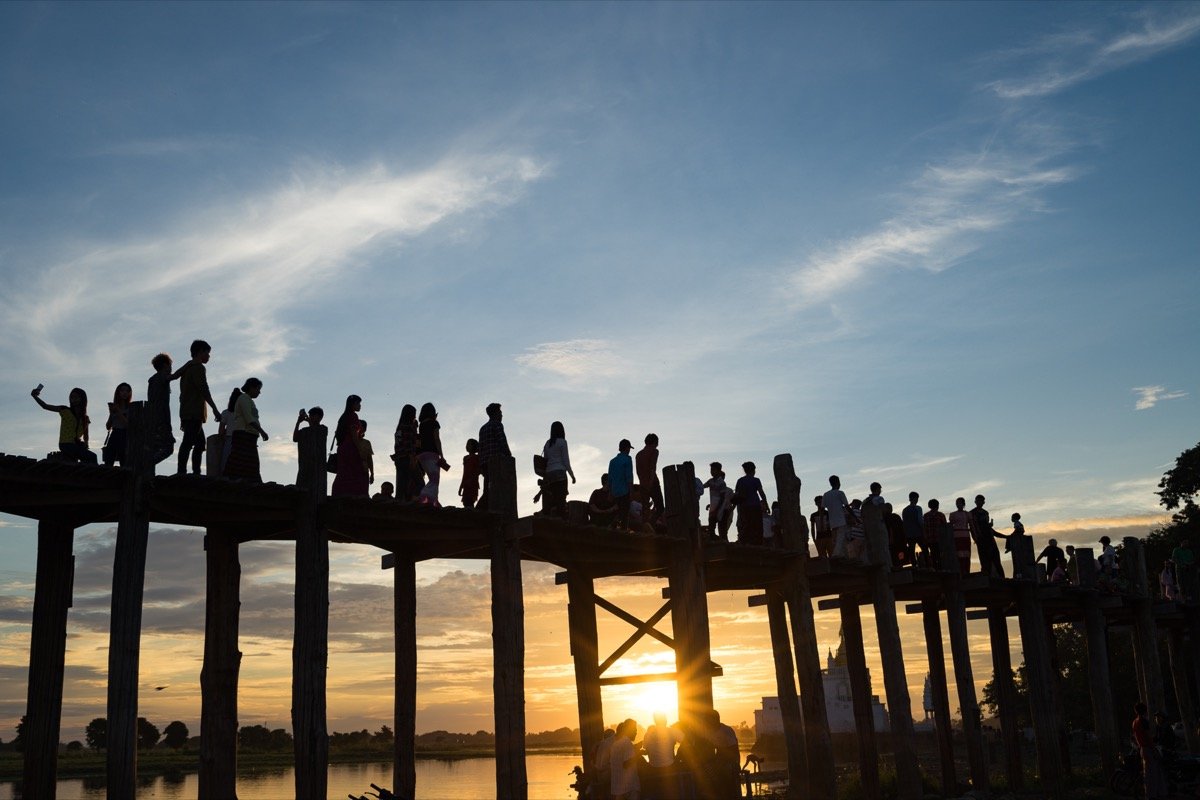
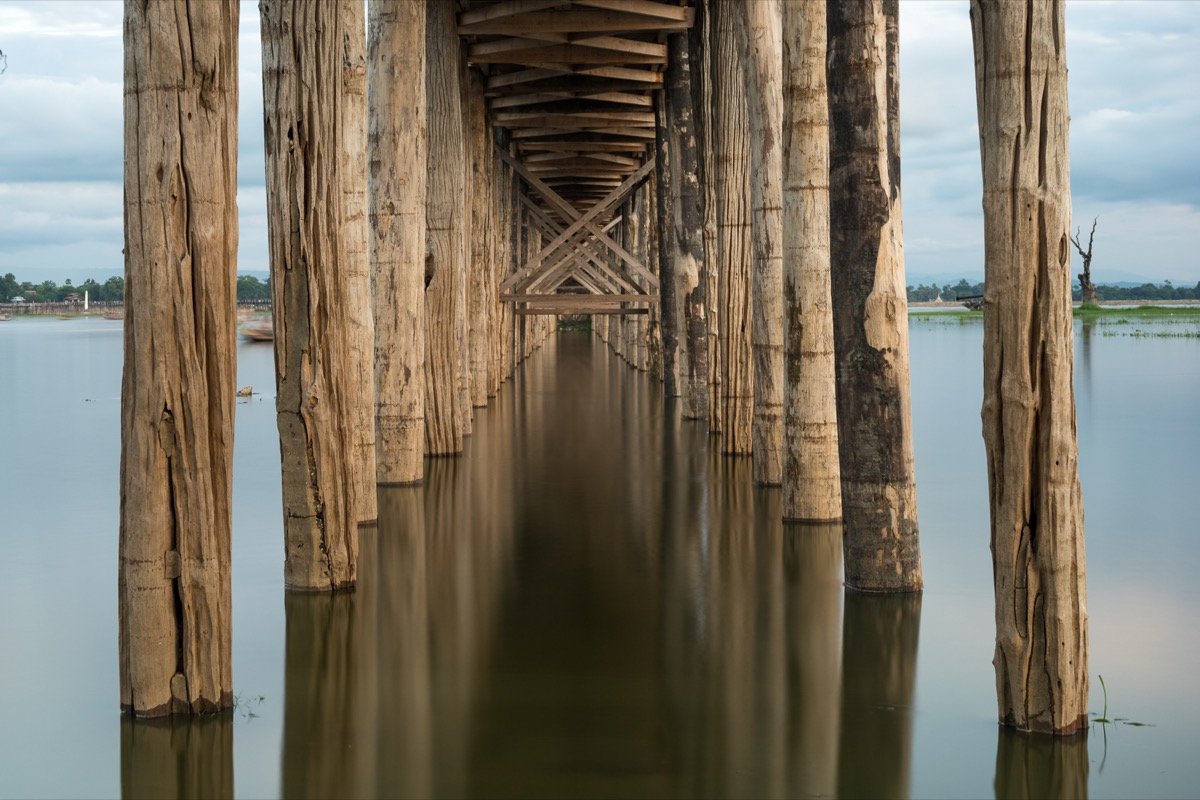
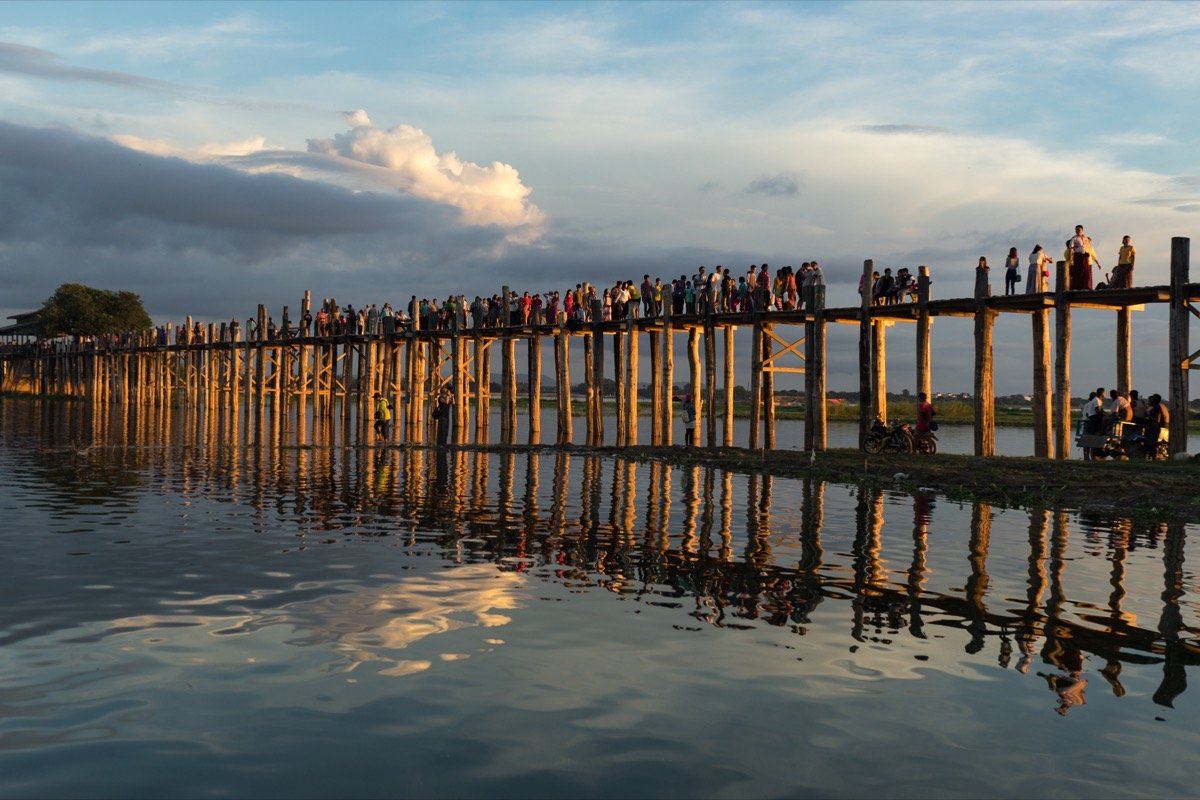
Just a few kilometers from Inwa, the next royal city awaits you. It also features the crumbling remains of a bygone era. But the U Bein Bridge is an absolute highlight.
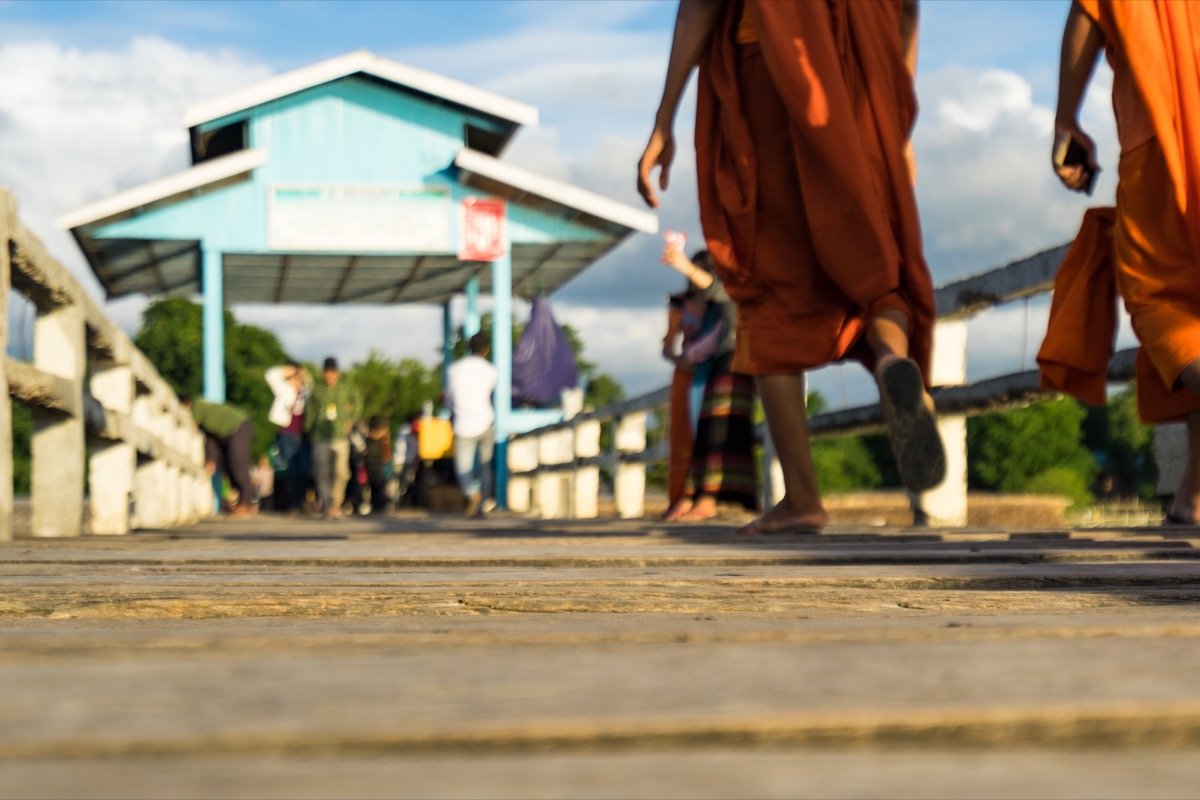
At a length of 1,200 meters, it’s believed to be the longest wooden bridge in the world and carries pedestrians across Taungtaman Lake. At sundown, masses of people head to the U Bein Bridge to take pictures of it with the sinking sun in the background.
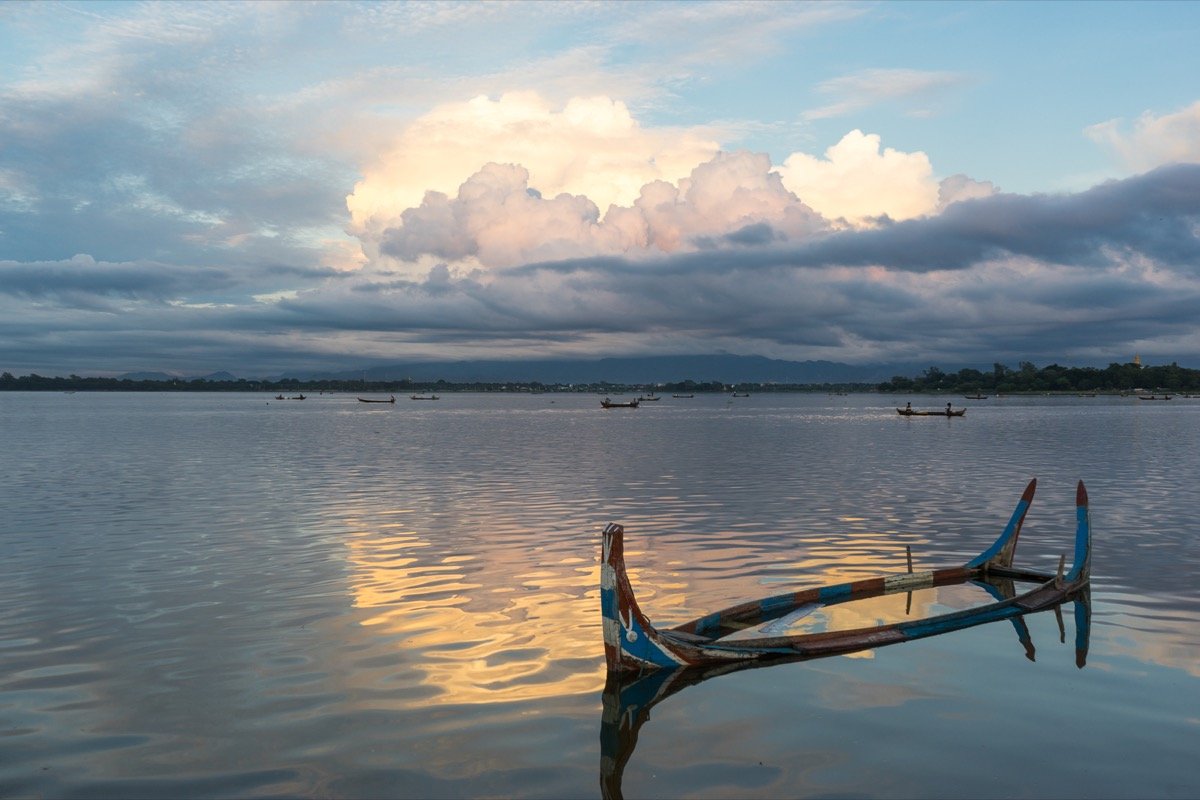
If you’d prefer it a bit less crowded, you should visit earlier in the day. But the sunset is really a sight to behold. For about 8,000 kyat, you can have someone row you to the best photo spot in front of the bridge, but you’ll have to share the spot with lots of other boats.
Our tips for the tour
We did the tour from Mandalay to the three towns in a single day. First we went to Sagaing, then headed to Inwa, and finally we watched the sunset in Amarapura.
You can easily make the whole trip in a day if you leave early enough in the morning. We started from Mandalay at around 8:30 am.
You have to take a fairly extensive detour on the way from Sagaing to Inwa to cross the bridge of the small Myitnge River. Or you can always take a small boat across at an earlier point in the river.
This costs about 2,000 kyat for 2 people and a scooter, but only do it if it’s sunny and dry out! Because if it’s been raining, there’s no way you’ll get the scooter through the mud and you’ll have to take the boat right back to the other side. We’re speaking from experience here.
You can also do the tour by public transport, but it’s pretty inconvenient and almost impossible to do in a day.
Alternatively, you can also hire a driver or a guide for the tour. We highly recommend our guide Zaw Zaw whom we mentioned above. Or if not, then another option is to book a tour with a private guide and driver online:
Day trip to Sagaing Ava and Amarapura from Mandalay
Final thoughts on the tour: The trip to Amarapura and Inwa is an absolute must-do when you’re in Mandalay that you really shouldn’t miss. Sagaing isn’t quite as exciting as far as we’re concerned, but you can easily fit it in between the other two places.
Day trip from Mandalay to Mingun
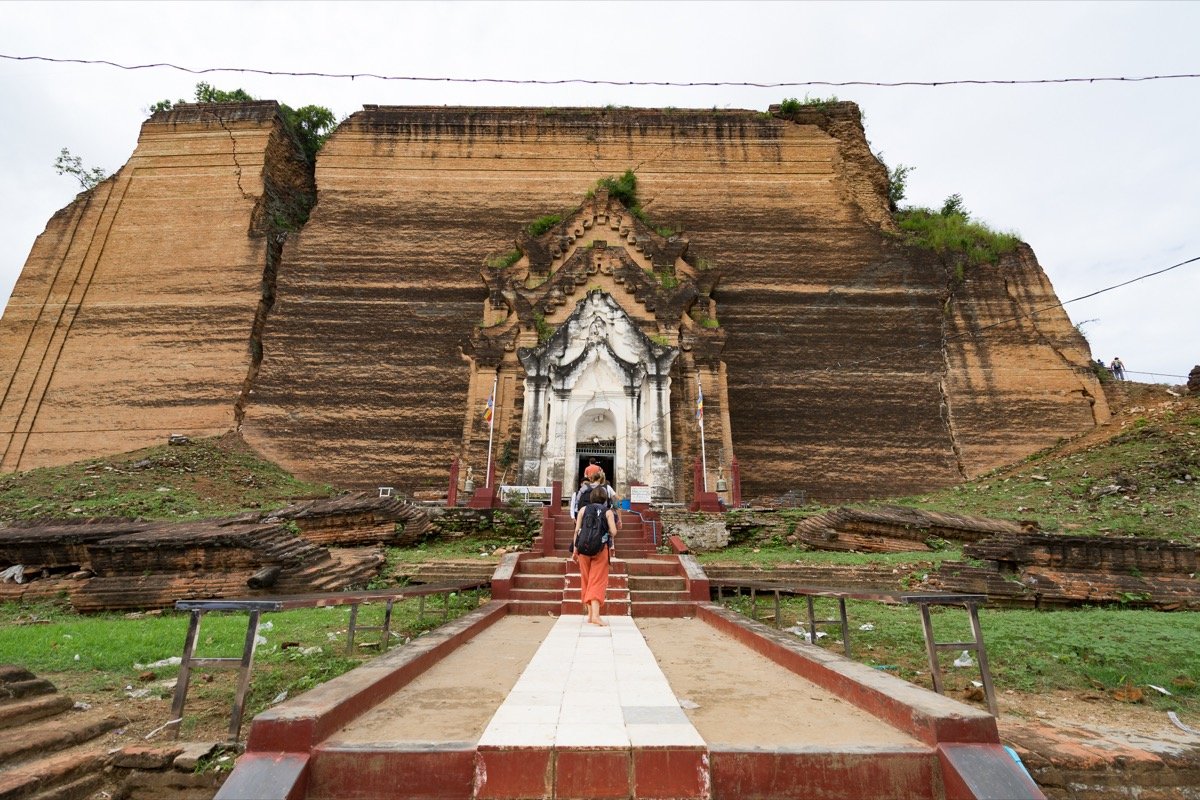
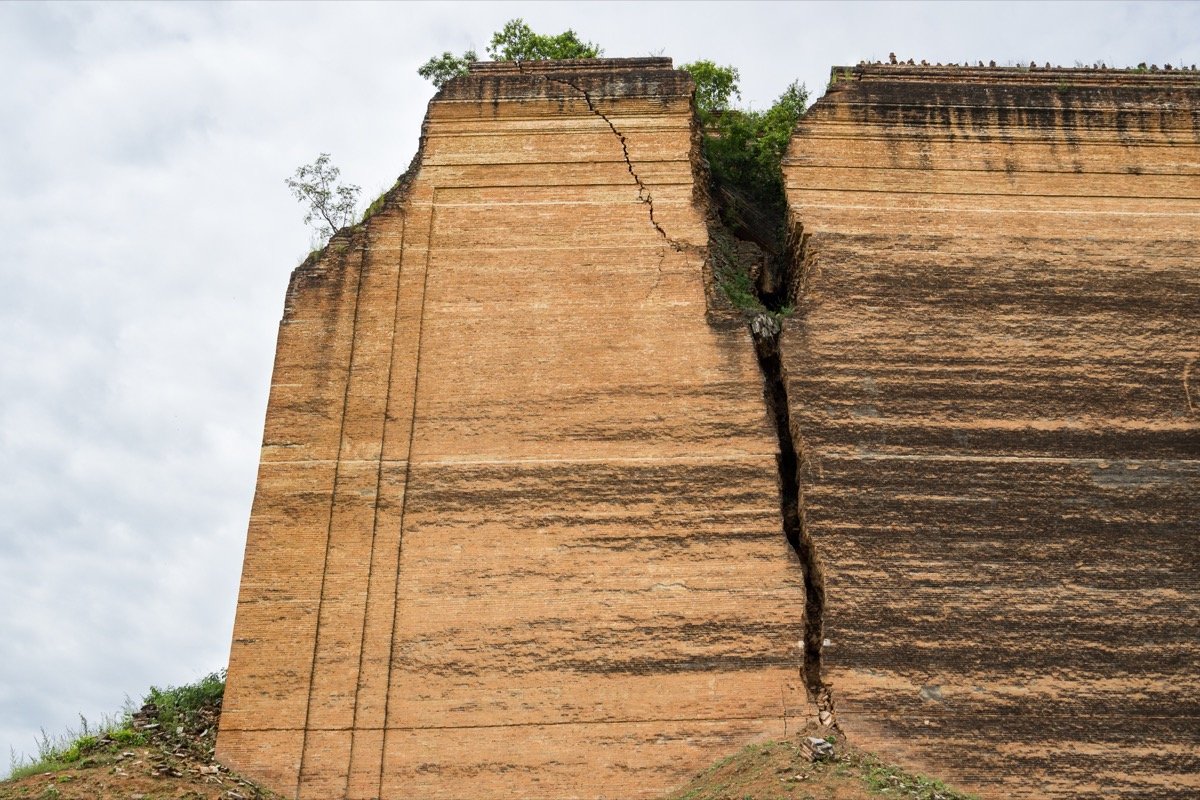
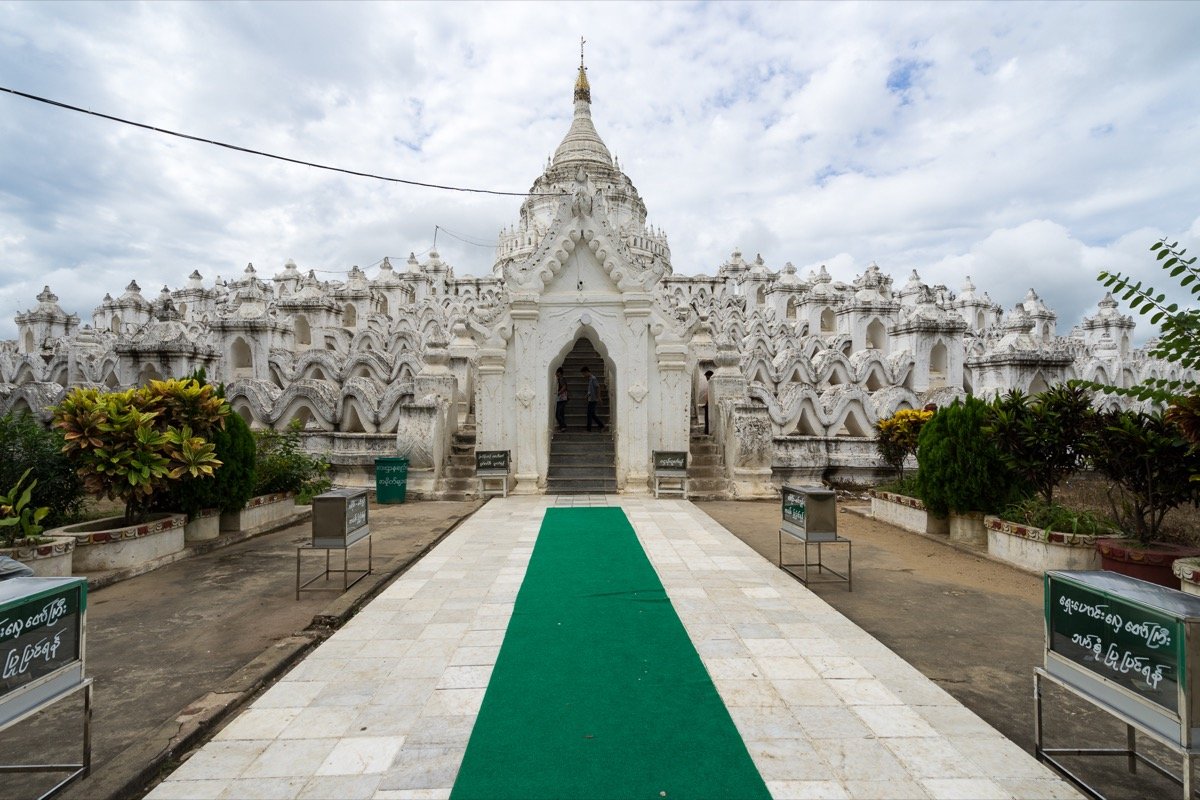
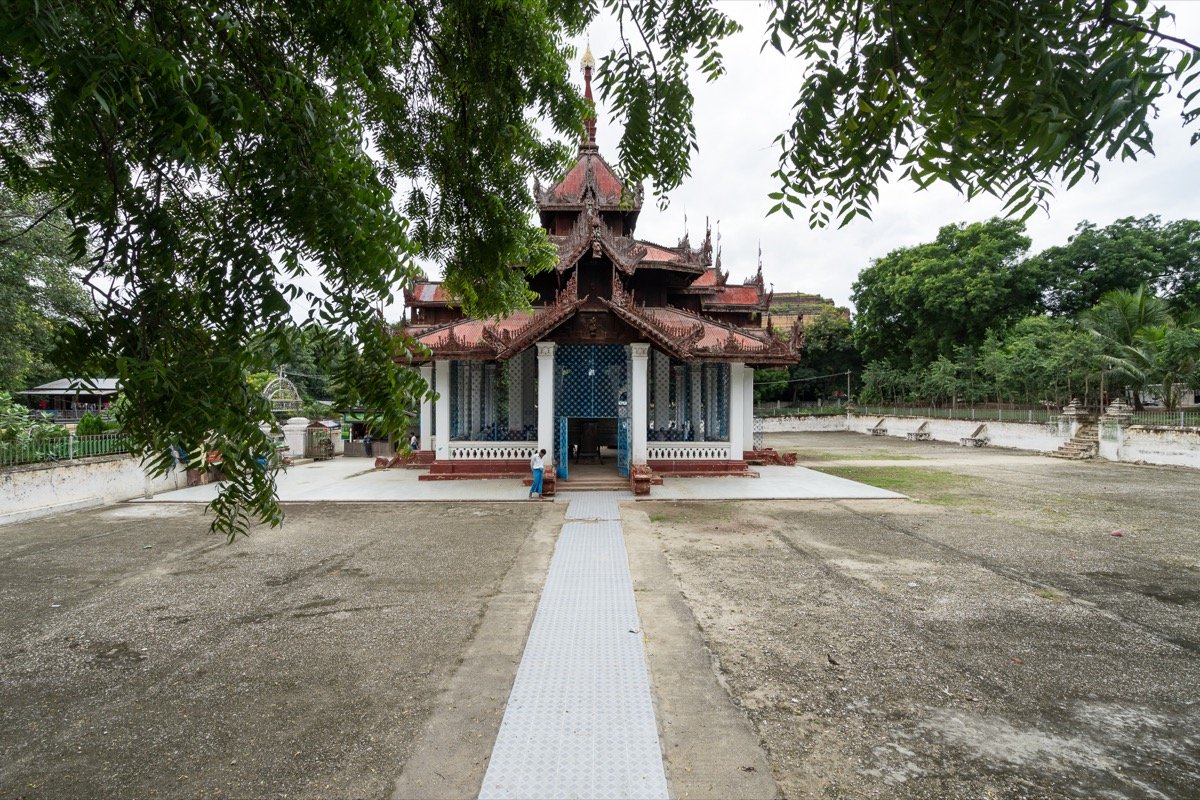
Mingun is located to the northwest of Mandalay and is a testament to utter megalomania. A former king wanted to erect a giant temple here. But only the stump of the temple was finished by the time of his death.
When an earthquake shook the region, work on the temple was abandoned and now the temple fragment is left standing around unfinished.
The size of the fragment alone is already enormous though, and it’s hard to imagine how big the temple would have turned out. There are two huge lion statues in front of the temple, which have also largely collapsed.
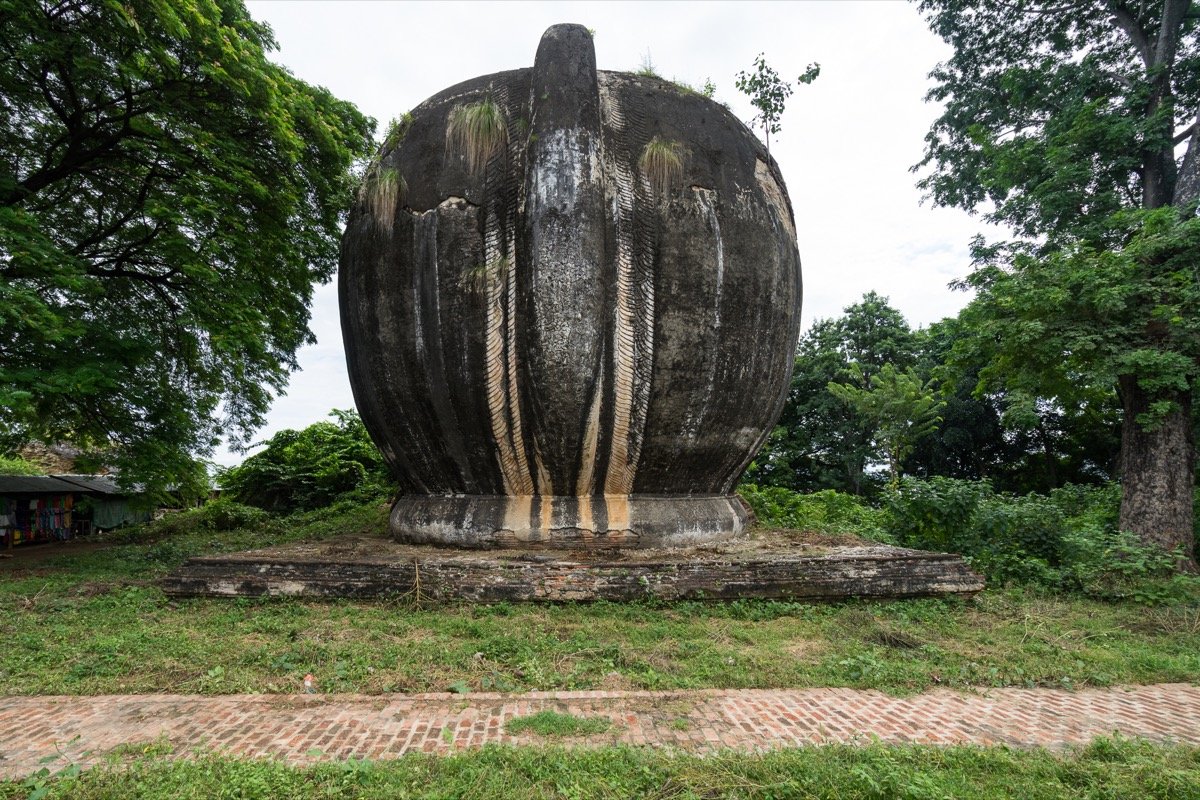
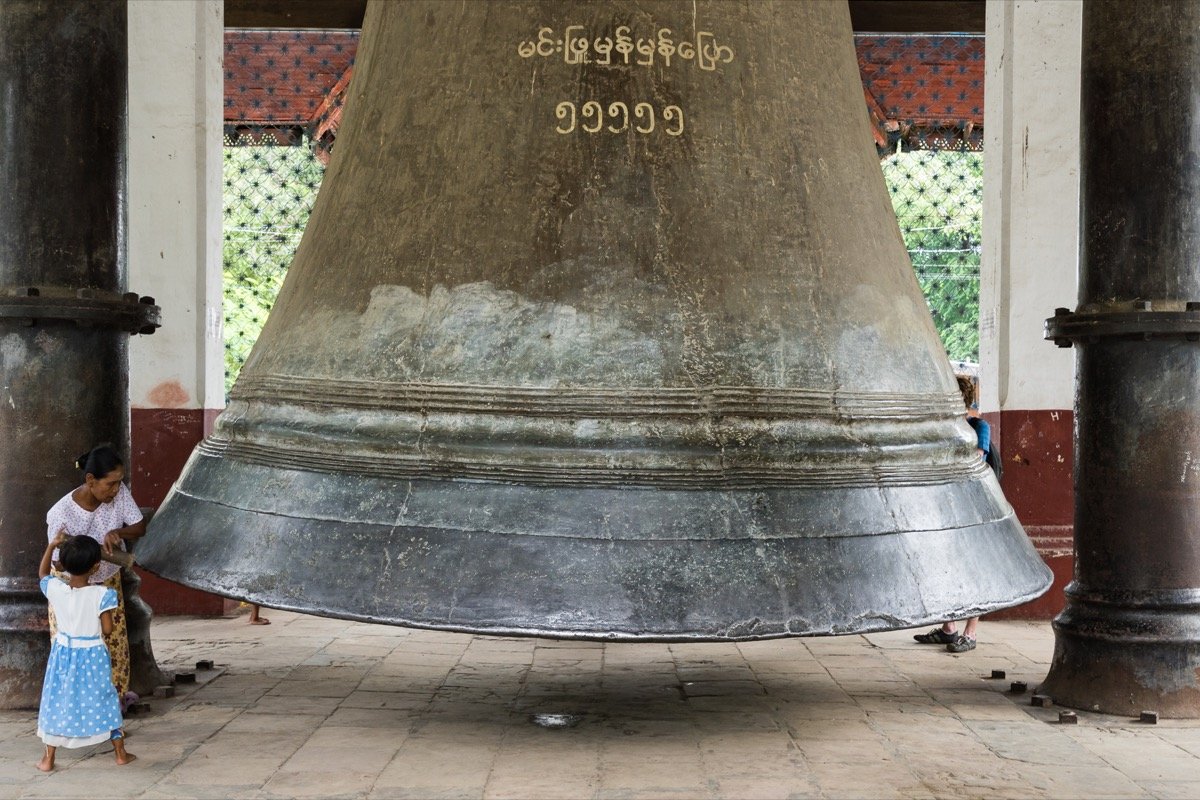
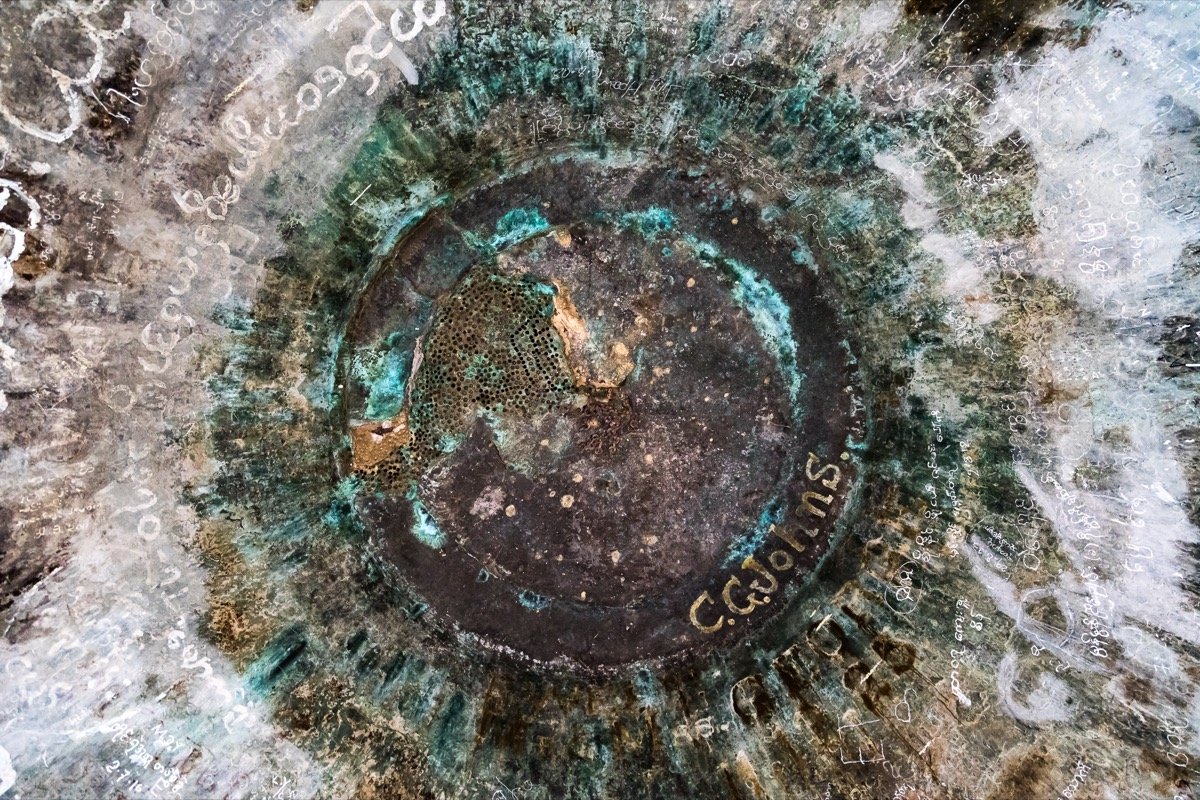
A huge bell was supposed to ring out from within the temple, and it had even already been completed. Now it hangs a few meters away from the temple ruins and is the largest working bell in the world. The only bigger bell in existence hangs in the Russian Kremlin, but it a crack prevents it from ringing.
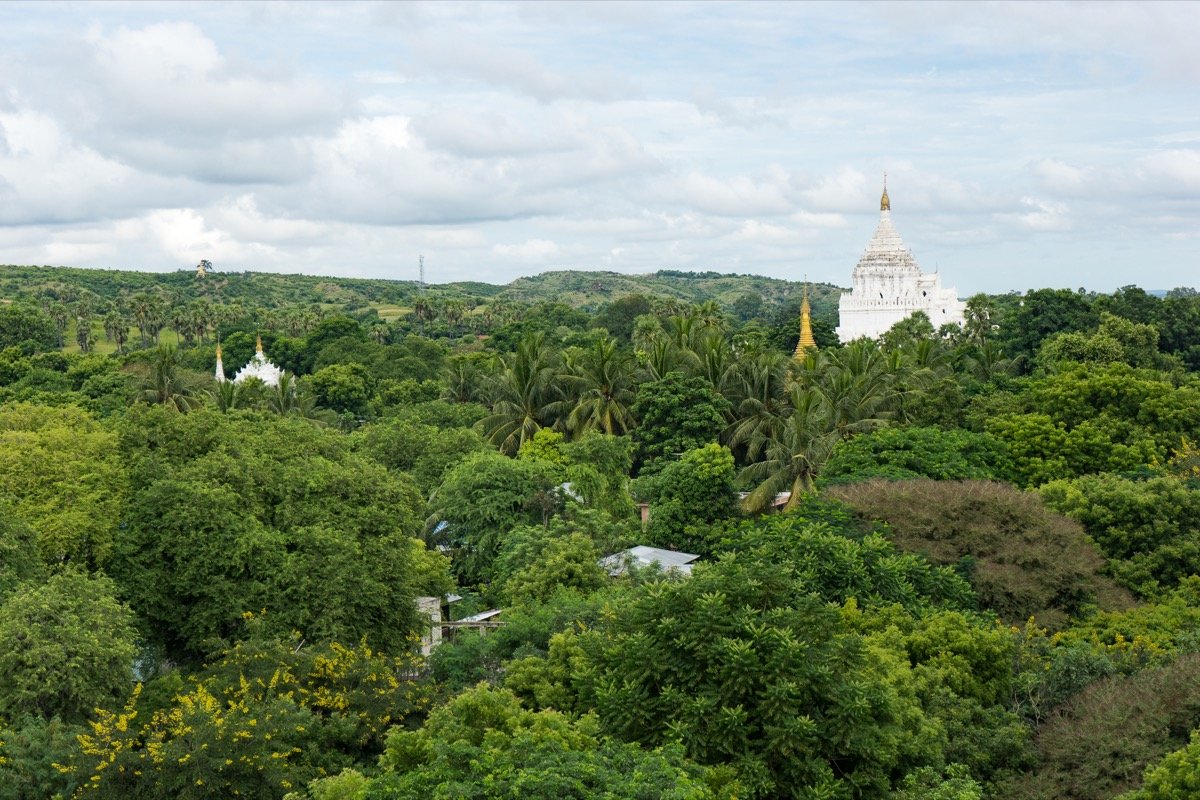
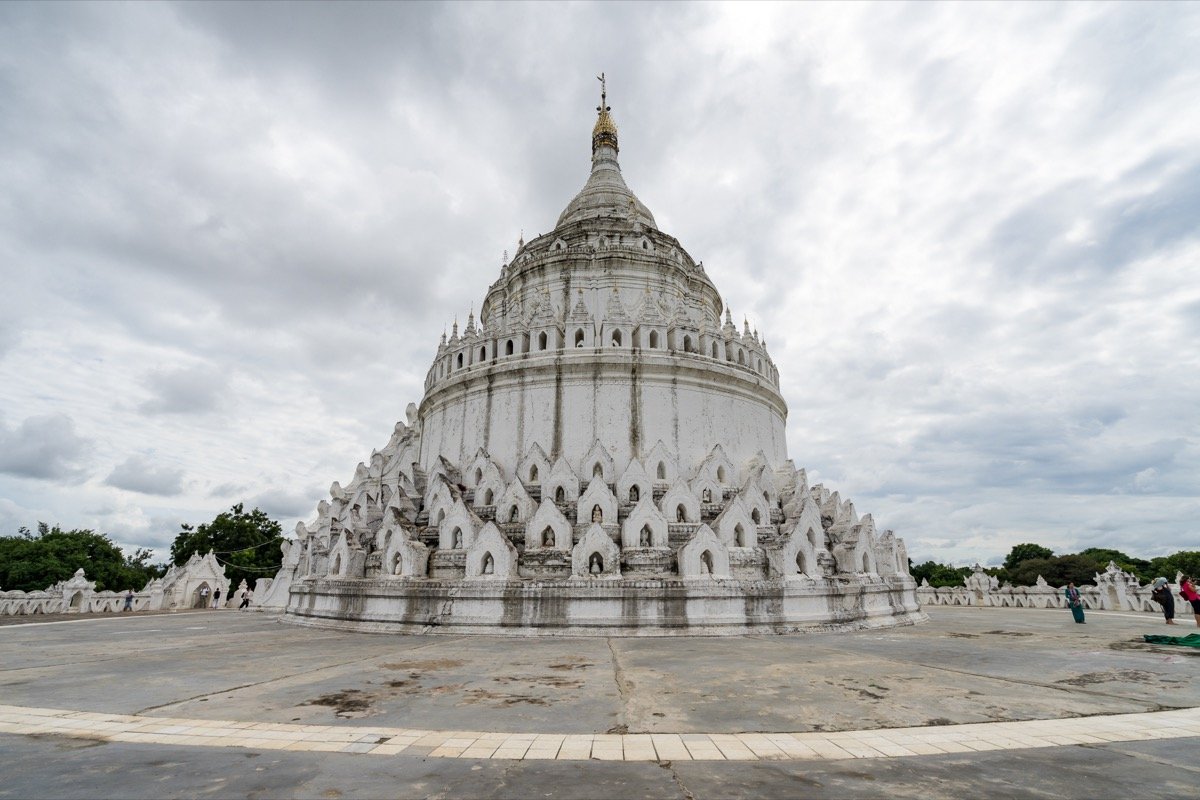
As a third attraction, there’s a beautiful white pagoda to see in Mingun.
Our tips for the tour
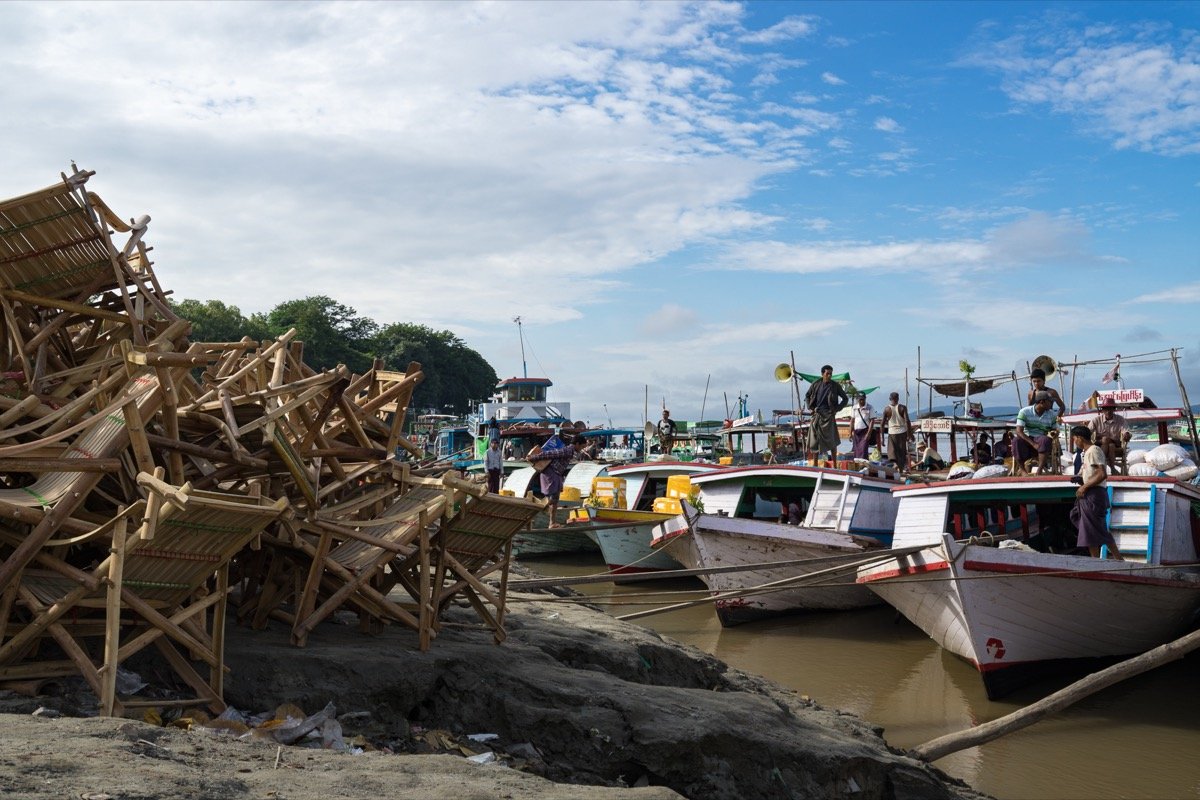
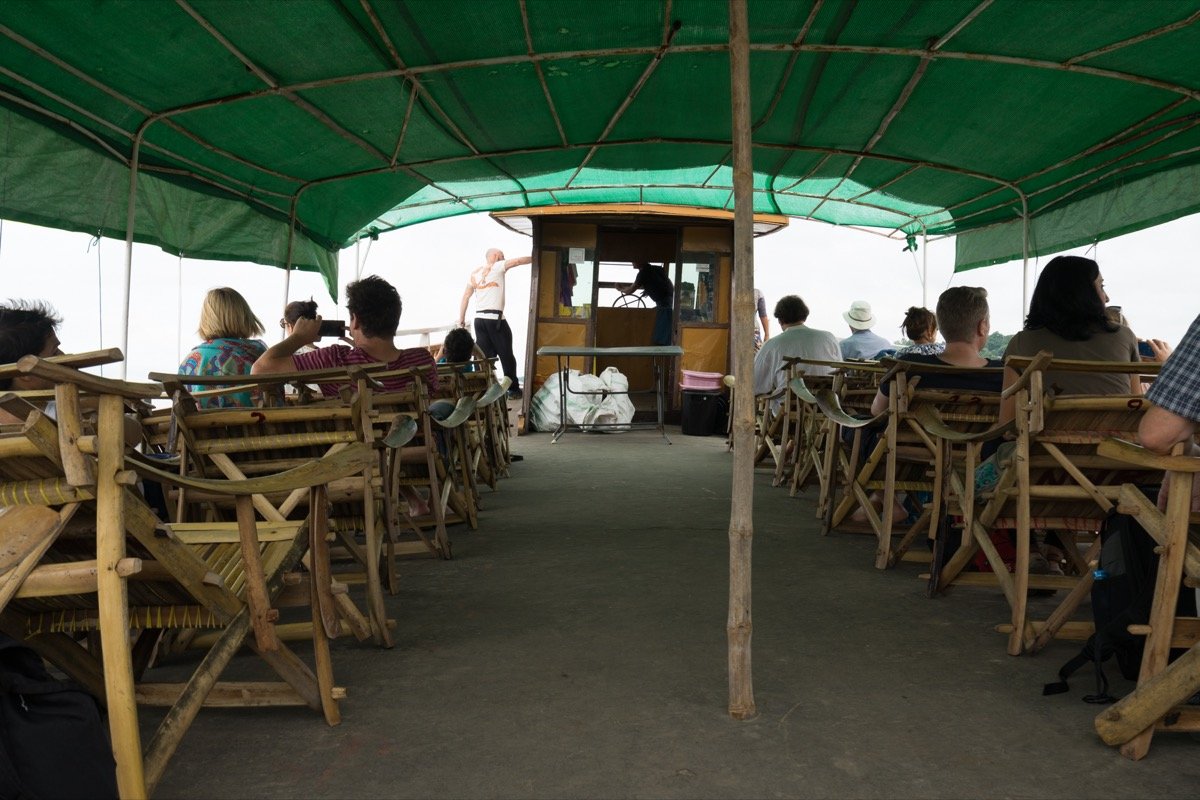
There’s a ferry going from Mandalay to Mingun at 9 am every day. The boat returns to Mandalay at 12:30 pm. That gives you enough time to see everything. All three sights are within walking distance of the pier.
For a very special experience, you can also hire an ox cart. It’s not much faster than walking, but can say they’ve ever taken an ox cart taxi?
The ferry leaves Mandalay at the end of 26th Street. Just follow the road to the river and it’ll take you right to the pier. You can buy tickets right at the port from a nice older gentleman who speaks very good English.
The ticket costs 5,000 kyat per person (round trip), and you also have to pay 5,000 kyat admission in Mingun.
Our final thoughts on the tour: Mingun is pretty interesting and if you have some time to spare, then go for it. But if you don’t have so much time, we’d recommend exploring Mandalay, or taking a day trip to Amarapura and Inwa instead. But since you return to Mandalay in the early afternoon, that gives you enough time to do something else with the rest of the day.
Day trip from Mandalay to Monywa
To be honest: After four weeks in Myanmar, we started getting a bit tired of temples. We had been in Bagan, in Mrauk-U, in Bago – all places with countless temples and pagodas, one more beautiful than the next.
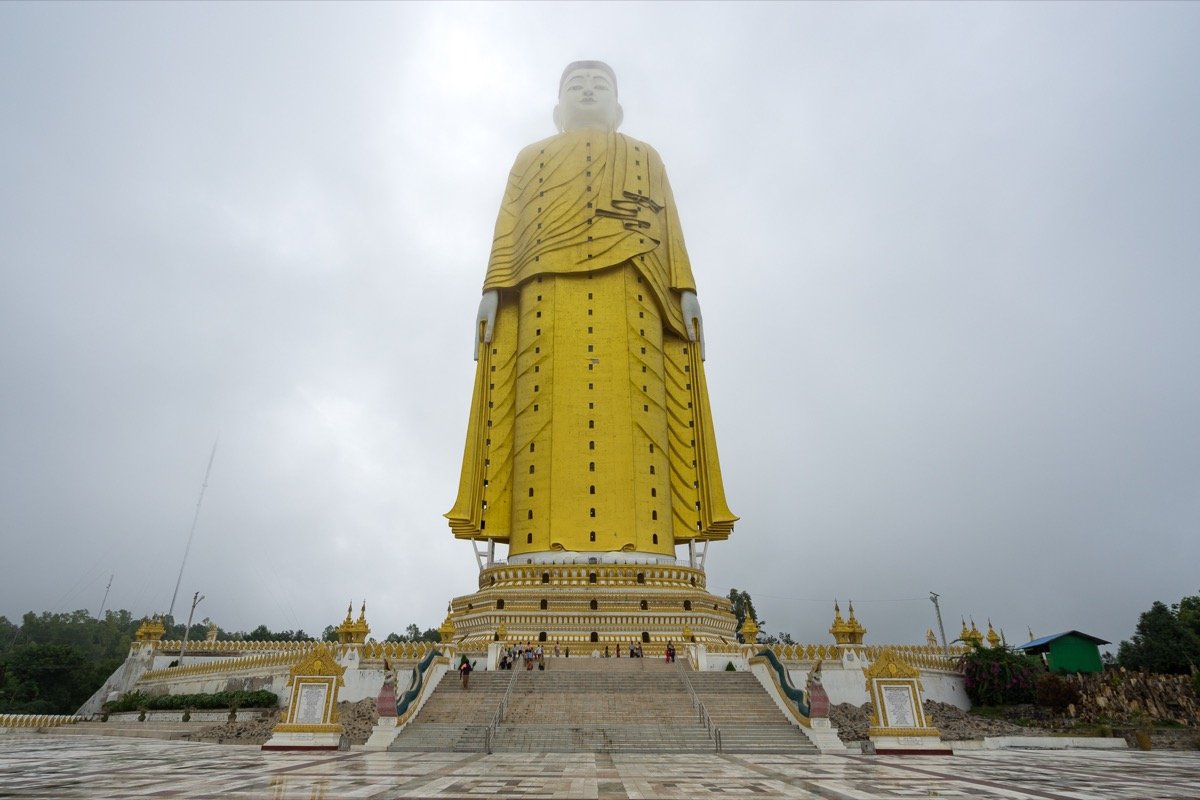
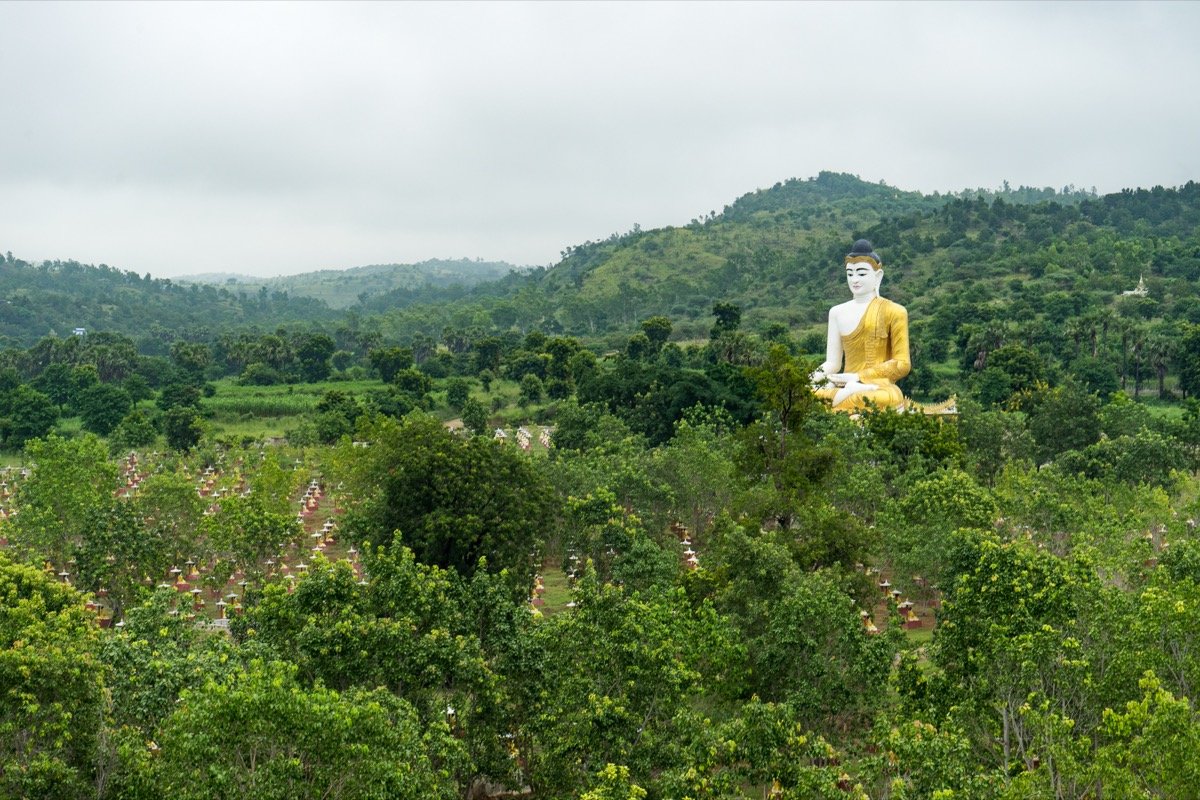
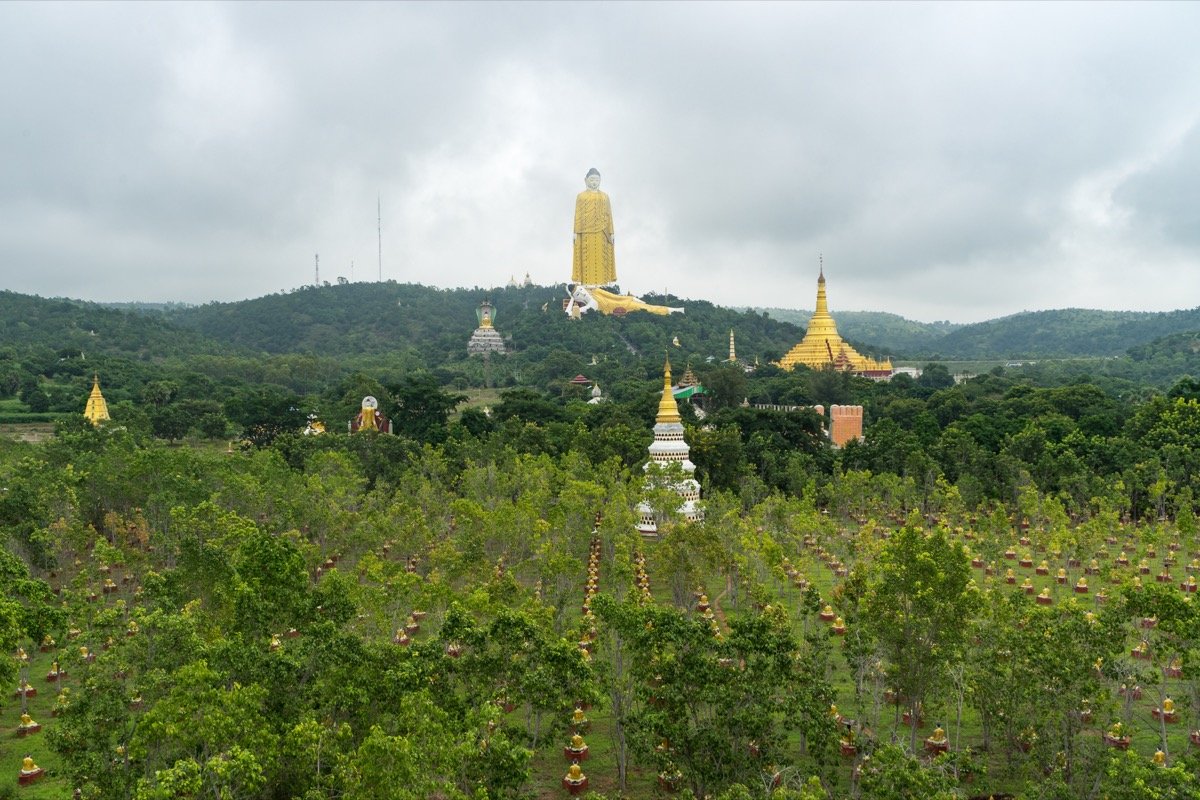
We really though nothing could beat that. And then we went to Monywa. First, there’s the huge standing Buddha, standing tall at an incredible 116 meters. The only Buddha statue that’s even taller is in China.
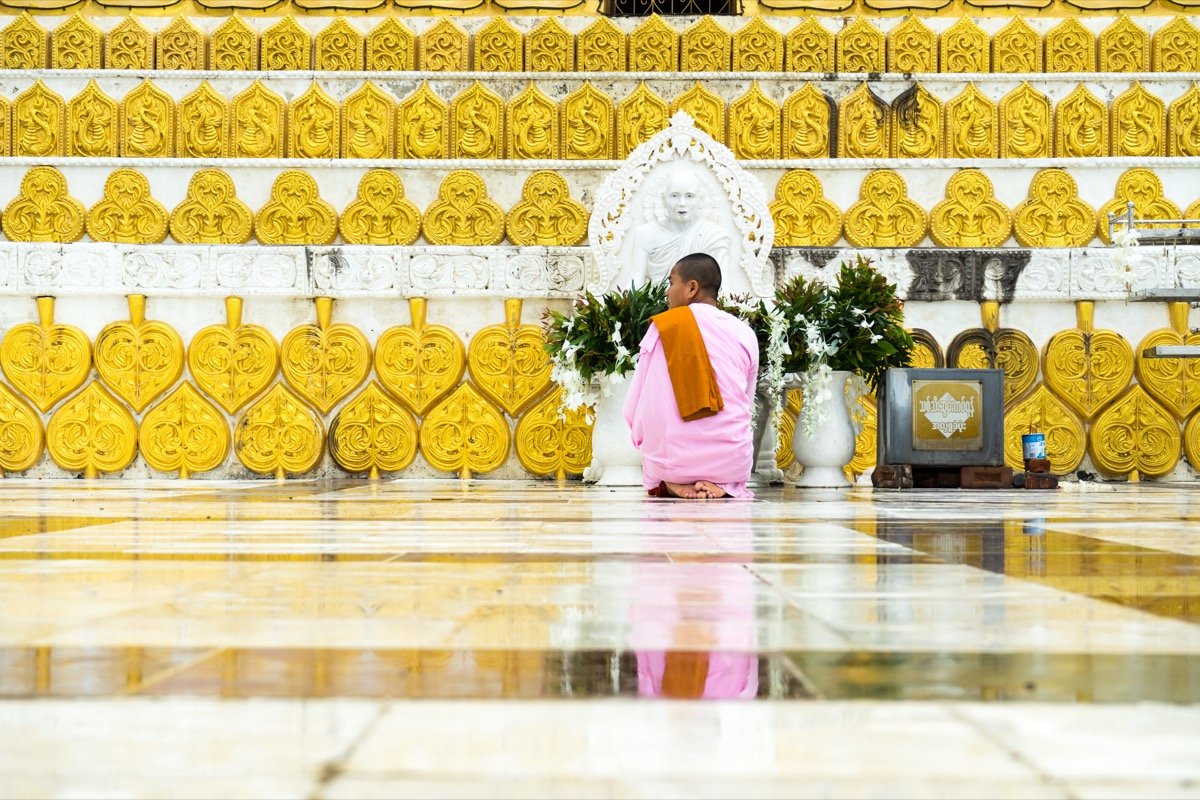
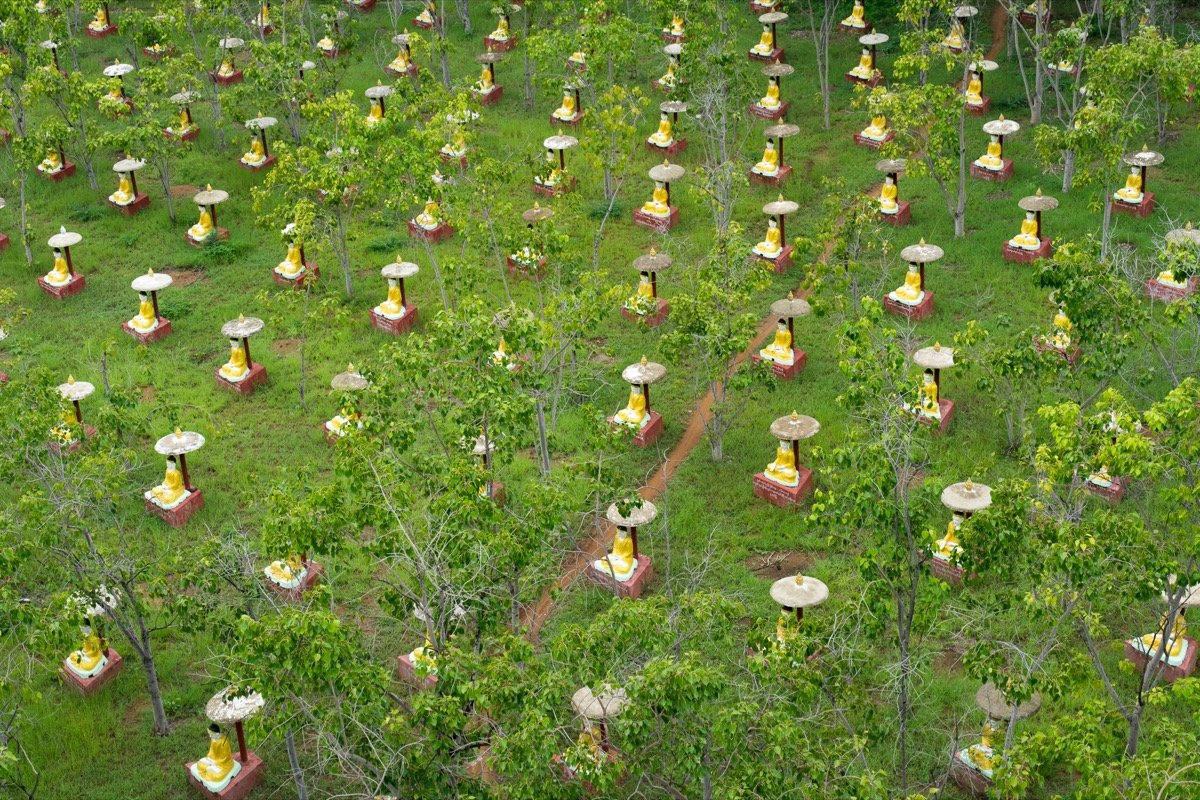
There’s another 90-meter-long reclining Buddha lying in front of it, and you’ll find thousands of Buddhas amidst just as many trees at the foot of the mountain.
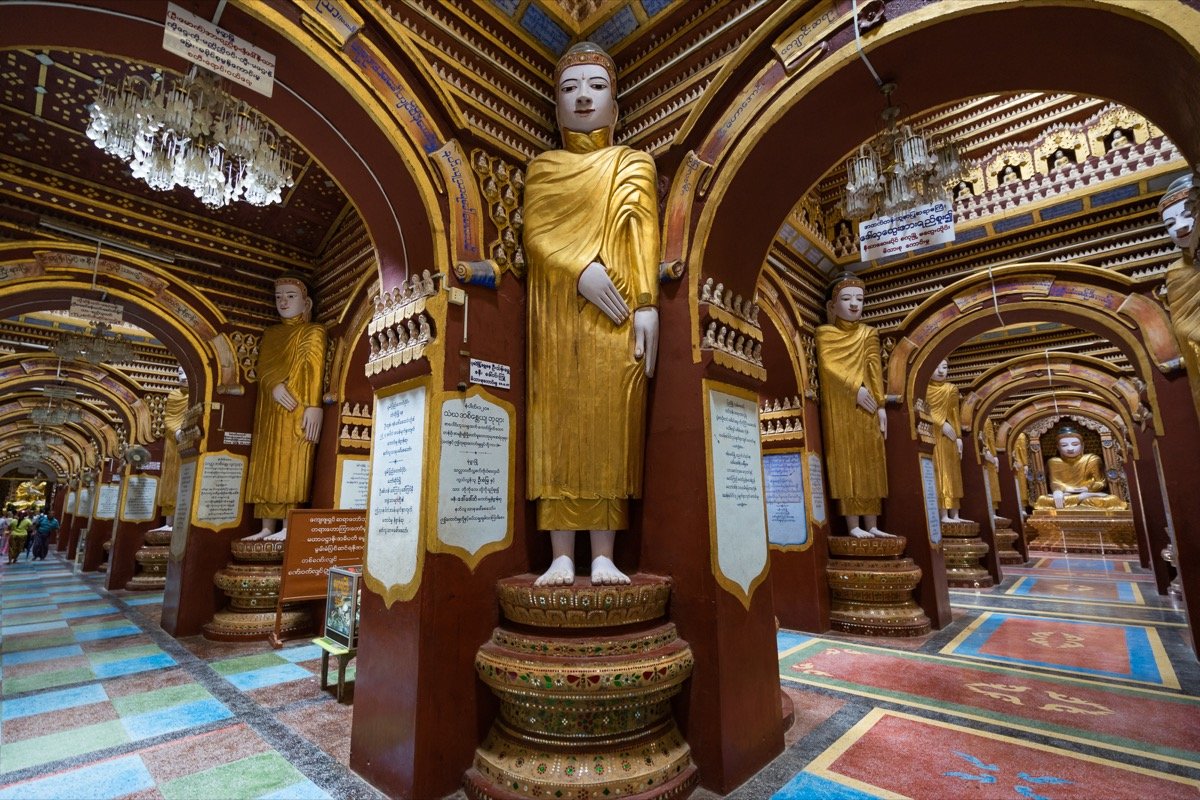
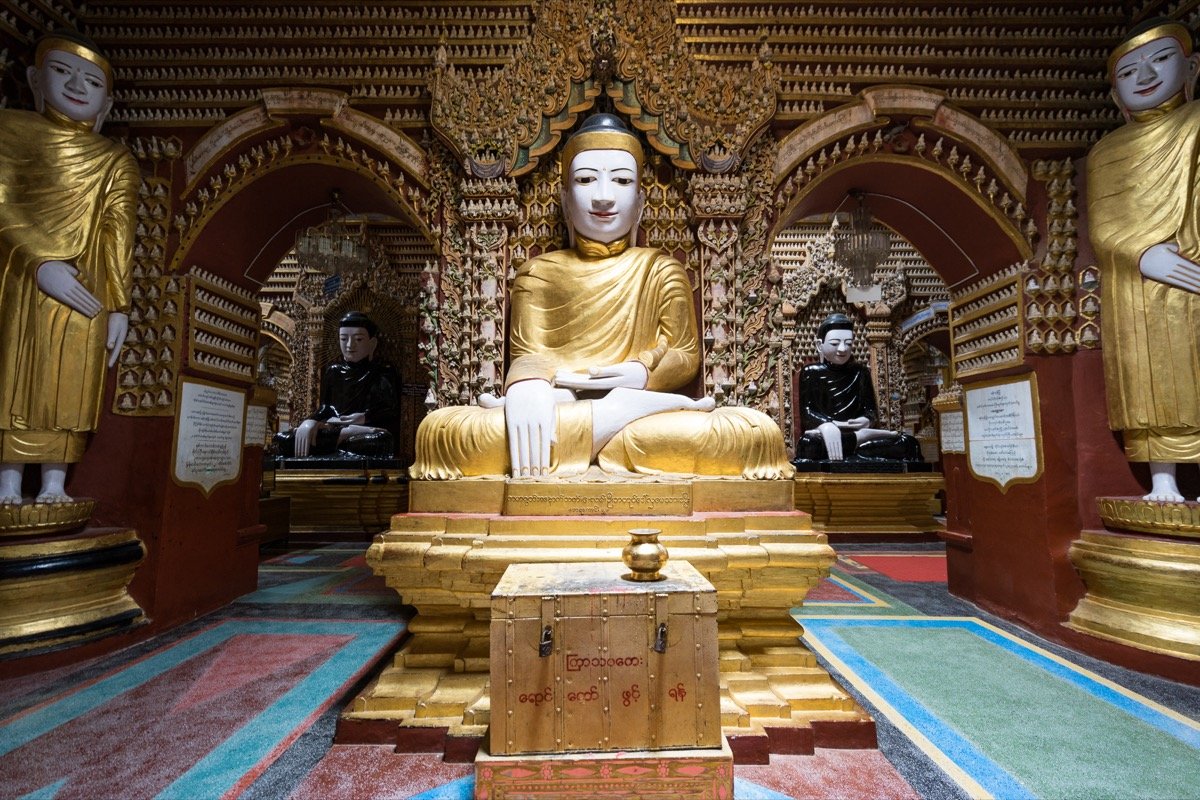
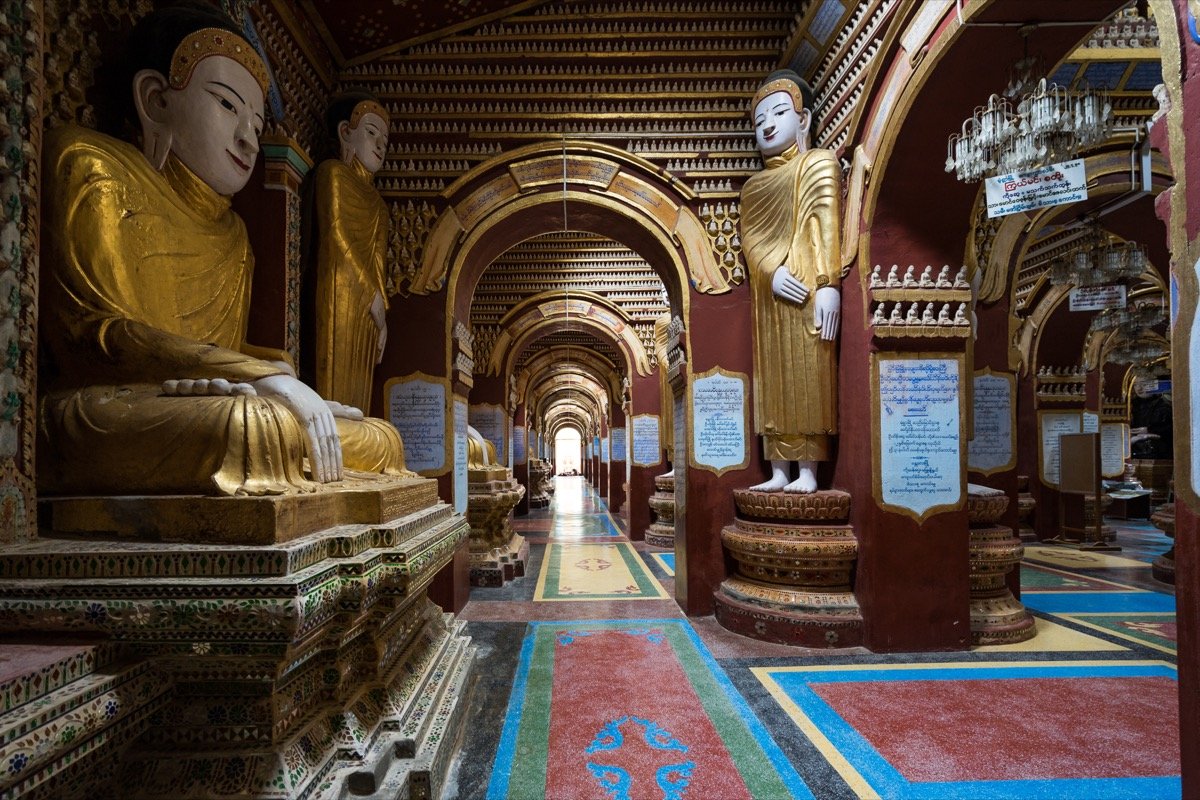
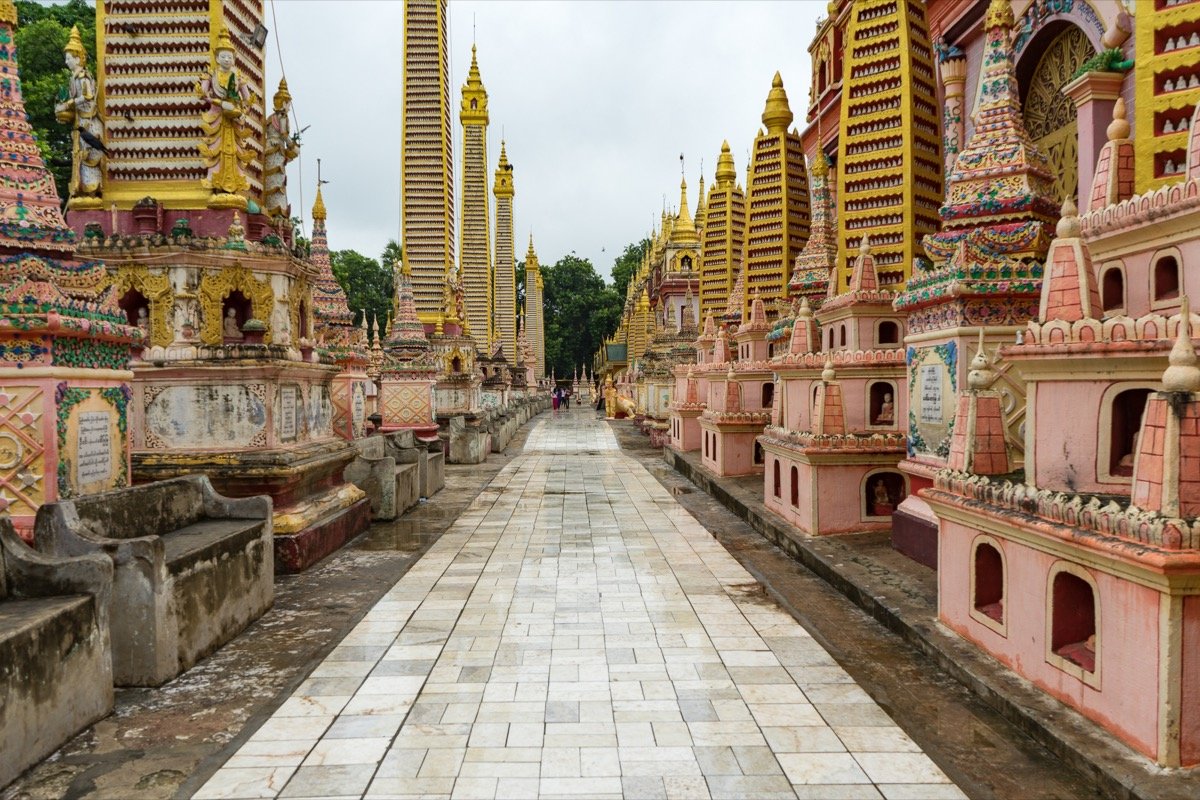
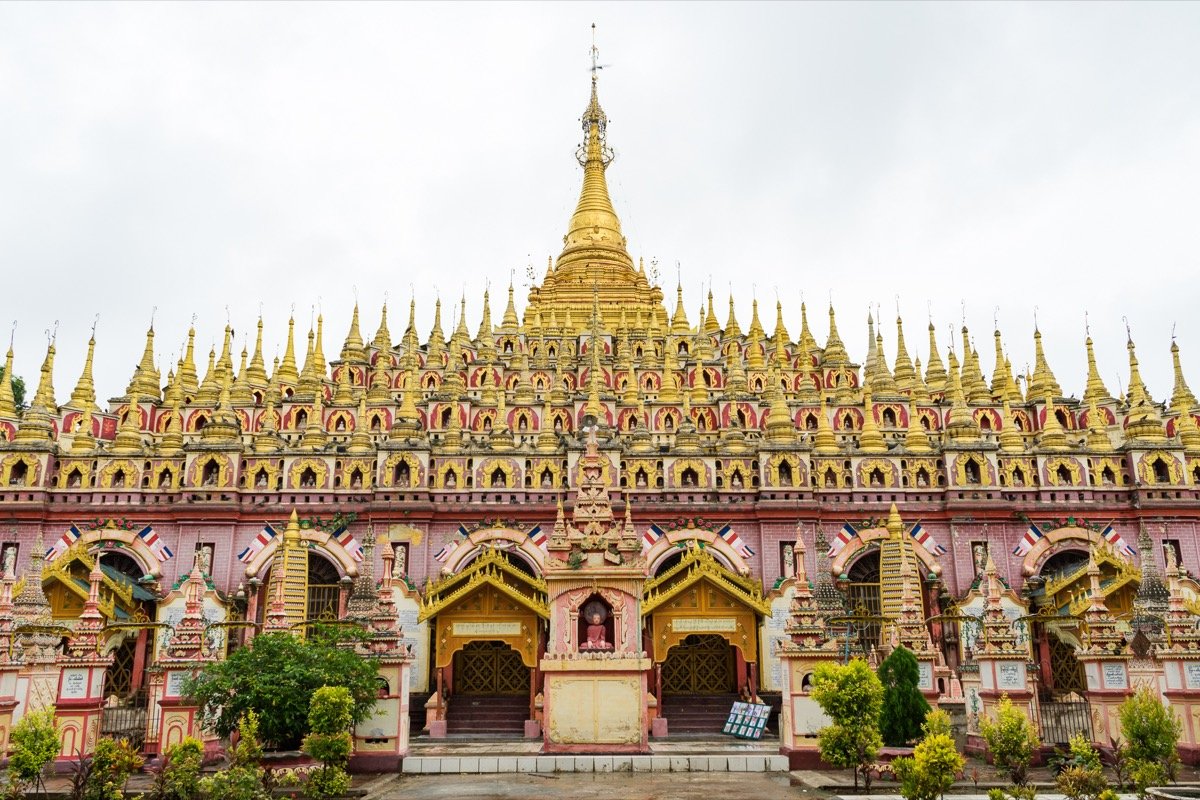
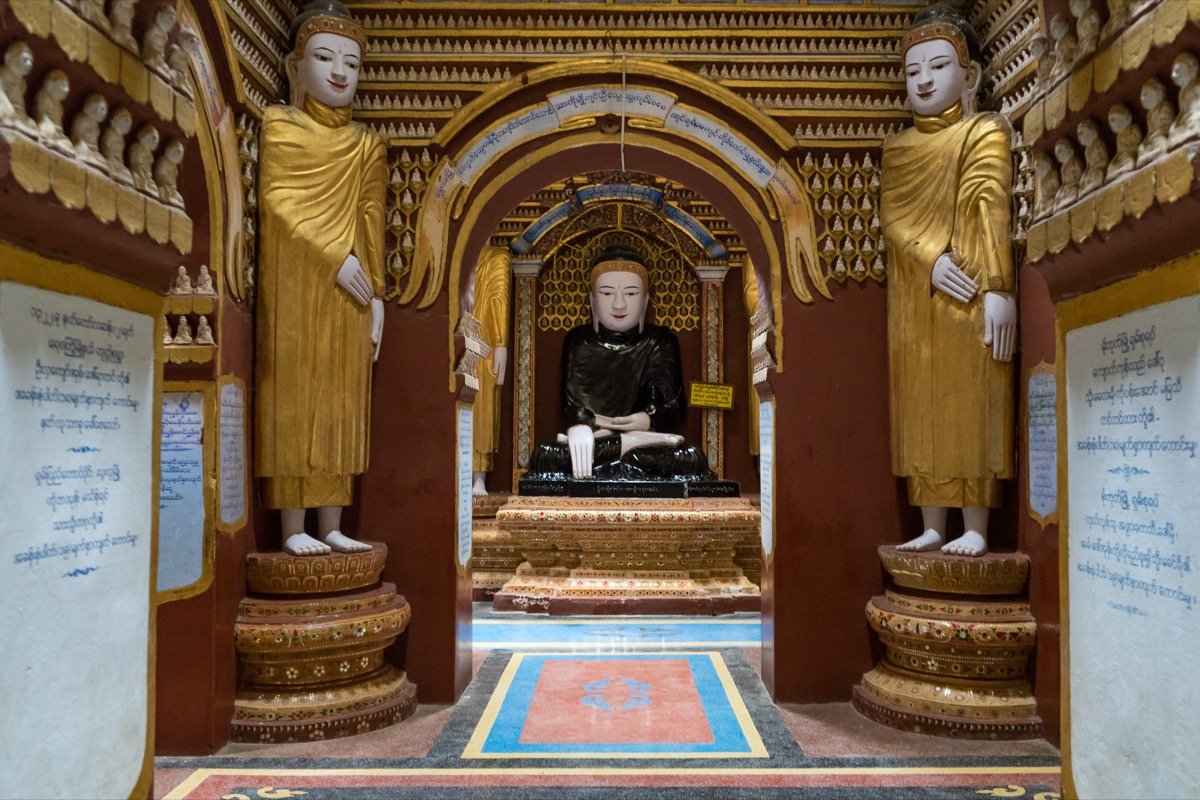
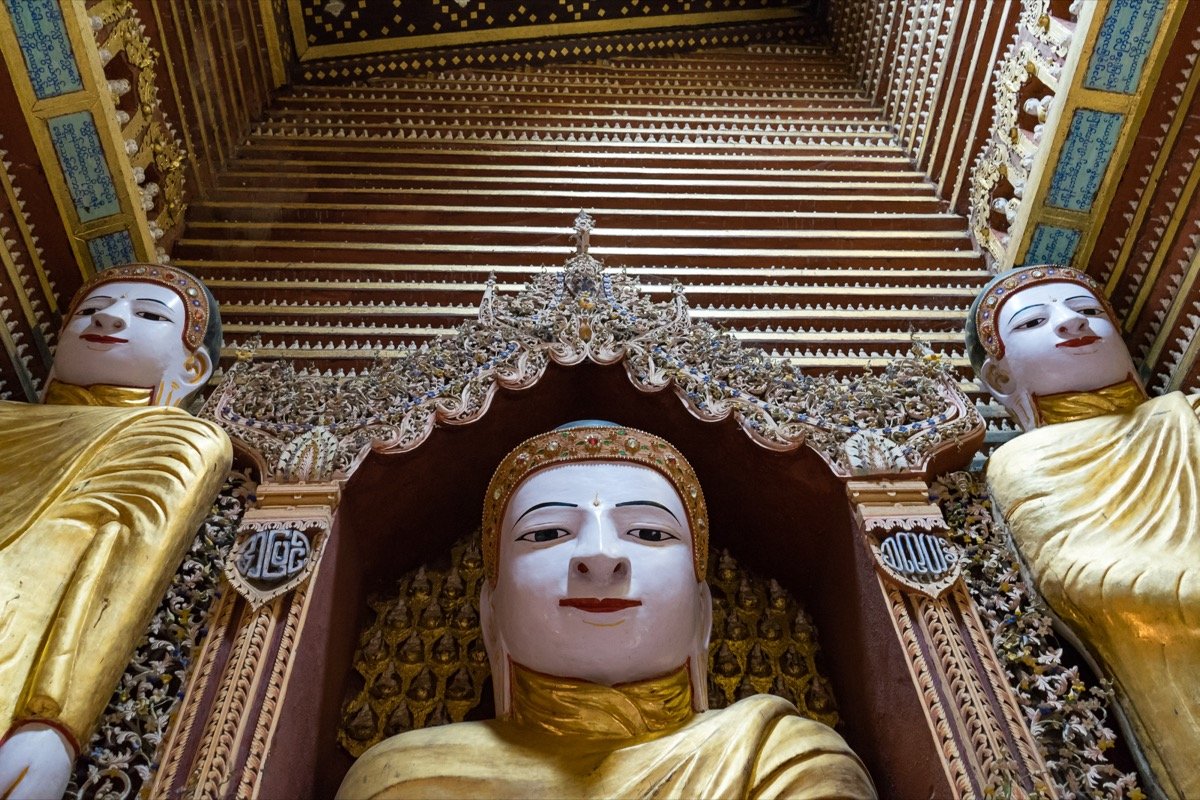
That’s pretty impressive, but the Thanbodday Pagoda is the craziest shit ever. It already looks completely different from any other pagoda in Myanmar from the outside. It’s very colorful and reminded us a bit of a Hindu temple. But the inside of the pagoda is where things really go off the rails. We’ve never seen so many Buddhist statues.
There are a total of almost 600,000 Buddha statues, large and small, adorning this temple. Yes, you read that right. A six with five zeros. Six hundred thousand! This temple is definitely the most impressive in all of Myanmar!
Our tips for the tour
Monywa is too far to go by scooter. So you’ll have to catch the bus or hire a driver. We went to Monywa with Zaw Zaw, whom we introduced earlier on. We paid 90 dollars for the day trip, including the car. Driving to Monywa takes about 2.5-3 hours.
Alternatively, you can also go by bus, which is considerably cheaper, but it takes 3-4 hours. That’s cutting it a bit close for a day trip because you’ll also need some time to explore when you get there.
Of course, you could also stay the night in Monywa. That’s what we were going to do originally, but then we changed our mind at the last minute. If you’re looking for a place to stay in Monywa, we hear the Jade Royal Hotel Monywa is pretty good.
Our final thoughts on the tour: Monywa is an absolute highlight in Myanmar that many travelers haven’t even heard of for some reason. We really recommend taking this day trip from Mandalay or even staying the night in Monywa. You won’t regret it.
Day trip from Mandalay to Pyin Oo Lwin
Pyin Oo Lwin is located to the east of Mandalay at an altitude of 1,100 meters and once served the British colonial rulers as a resort during the hot months. Today, it’s once again become a place for recreation seekers. But not for the British this time around, but rather for richer inhabitants of Mandalay.
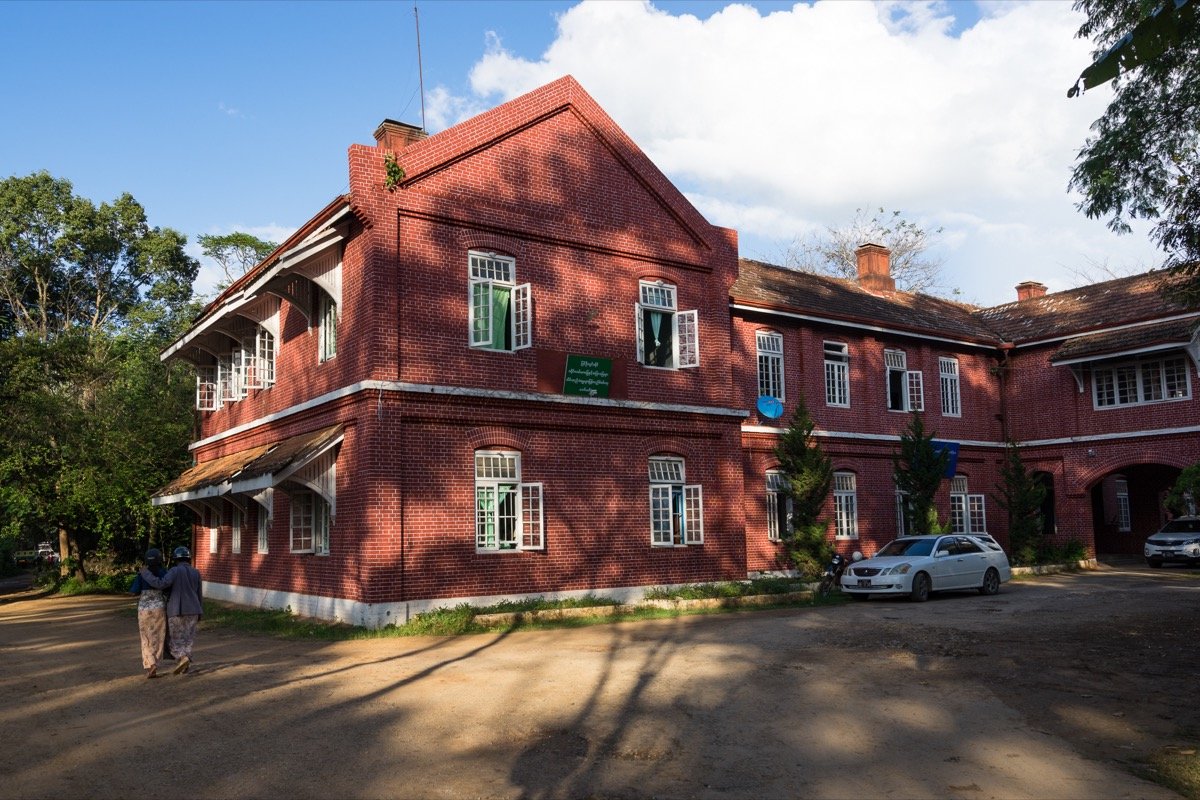
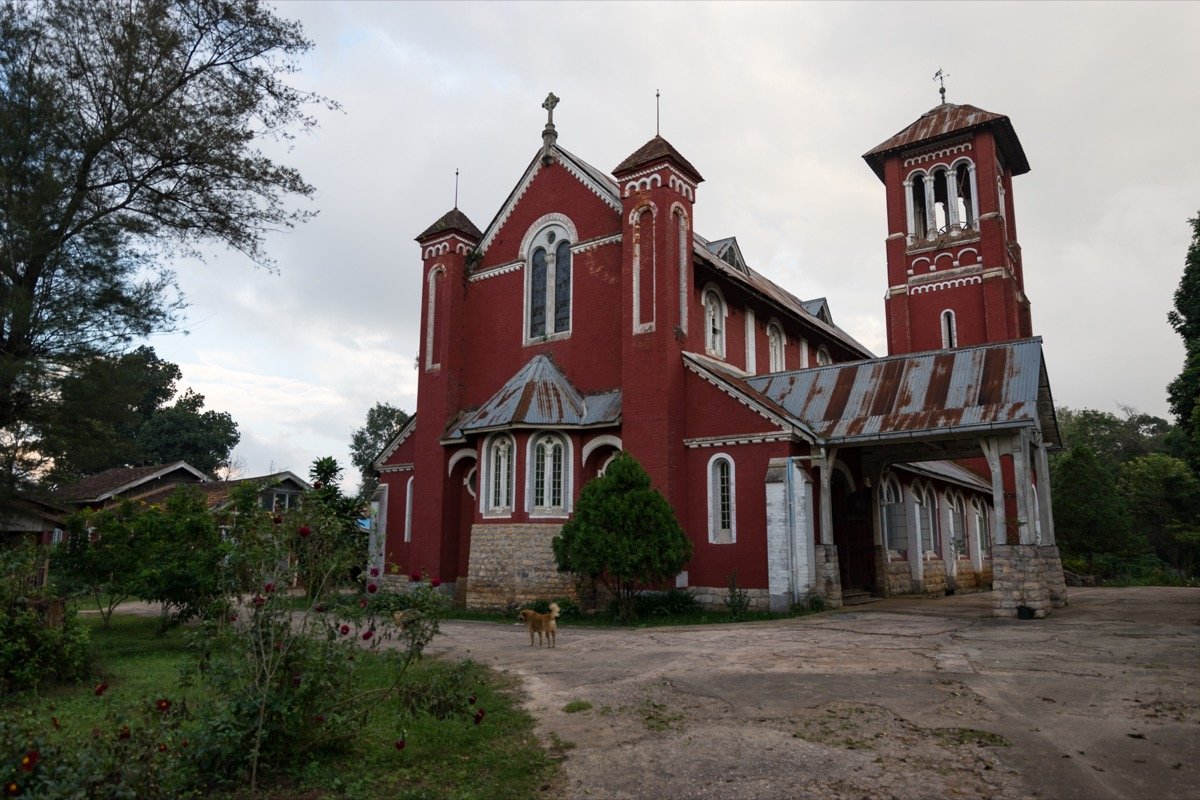
Pyin Oo Lwin looks quite different from most places in Myanmar. It’s very green and isolated colonial buildings evoke the era of British occupation.
The highlight of Pyin Oo Lwin are the vast Botanical Gardens with well-kept green areas and no garbage to be seen. That’s a very unique sight in Myanmar. If you want to escape the hustle and bustle and heat of Myanmar, then Pyin Oo Lwin is the perfect destination for you.
Our tips for the tour:
This best way to get to Pyin Oo Lwin is by shared taxi, i.e. a taxi you share with up to four people. This costs about 8,000 kyat per person and the journey takes almost two hours. Ask at your hotel in Mandalay if they can arrange this kind of trip for you.
If you want to spend some more time in Pyin Oo Lwin, there are several hotels to choose from. We recommend the Royal Green Hotel.
Our final thoughts on the tour: In Pyin Oo Lwin, you’ll encounter a completely different side of Myanmar. But it isn’t a real must-see for a first trip to Myanmar, especially if time is at a premium.
Our final thoughts
Mandalay has so much to offer and we were really positively surprised. You can easily spend five days here and discover something new every day. The city itself has enough to keep you occupied for 1-2 days, but the surrounding area is a real treat.
Mandalay is a perfect starting point for excursions and sadly it was also the last stop on our trip. We finally flew from Mandalay to Chiang Mai with Bangkok Airways and had to say “Good bye, Myanmar” after 31 wonderful days.
Have you ever been to Mandalay? Have we forgotten an important tip? Please let us know in the comments below.