alert-circlearrow-rightarrow-up-rightarrow-upasteriskawardbeachcameracarcheckchevron-downchevron-leftchevron-rightchevron-upcirclecityclockclosecompasscurrency-dollarcurrency-euroflagglobehearthotellistmap-pinmenuminusmountainplusrestaurantrocketsearchsmilesocial-facebook social-instagramsocial-linkedinsocial-pinterestsocial-tiktok star-filledstarsuntagtickettrainzap

Japan

Futuristic cities, tranquil Zen gardens, and sacred shrines — your guide to planning an unforgettable trip to Japan.

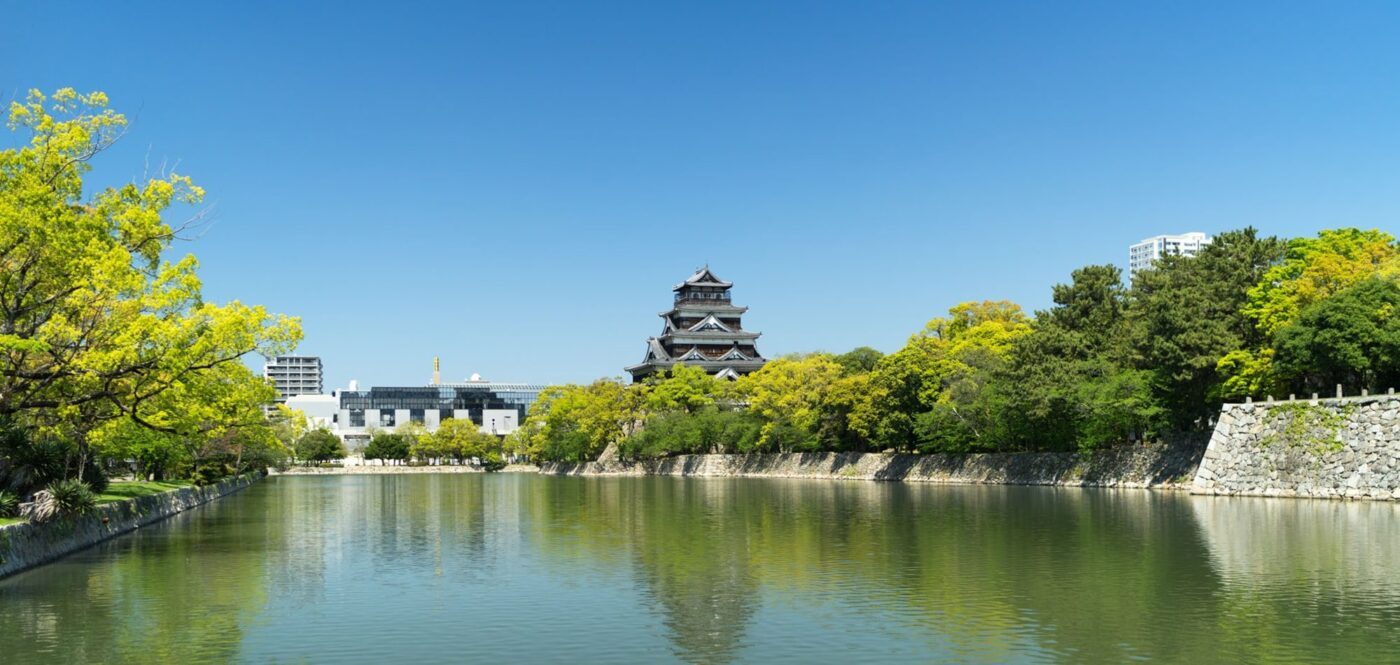
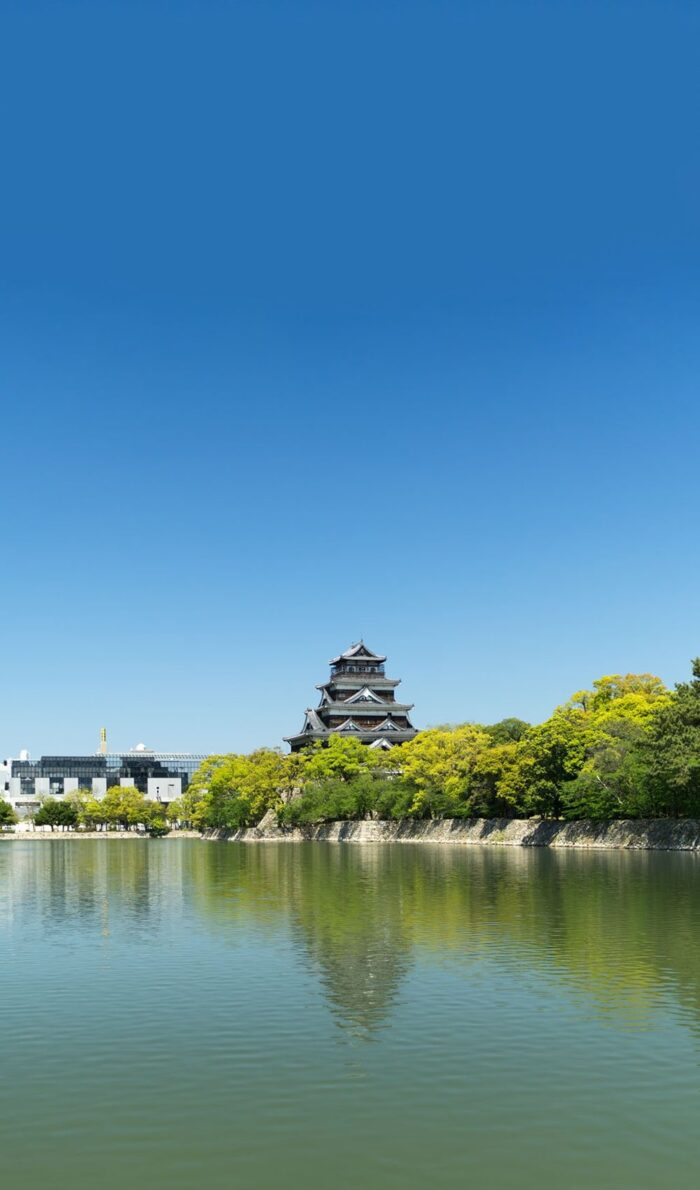
Hiroshima Castle

Our Japan Checklist

  1. Flair

    Polite, perfectly organized, and fascinatingly foreign.

  2. Best Time to Visit

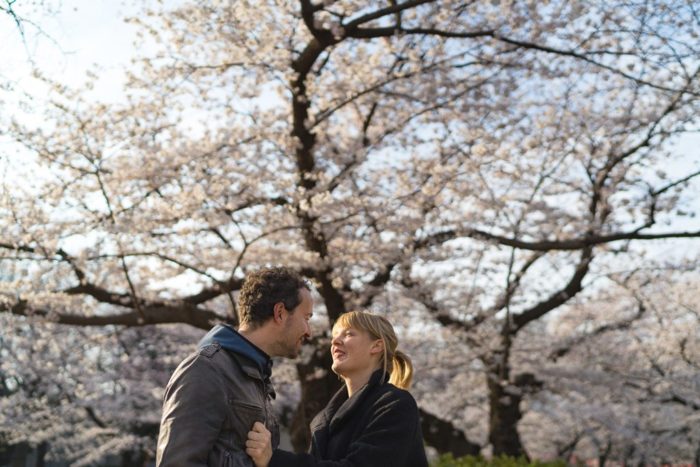
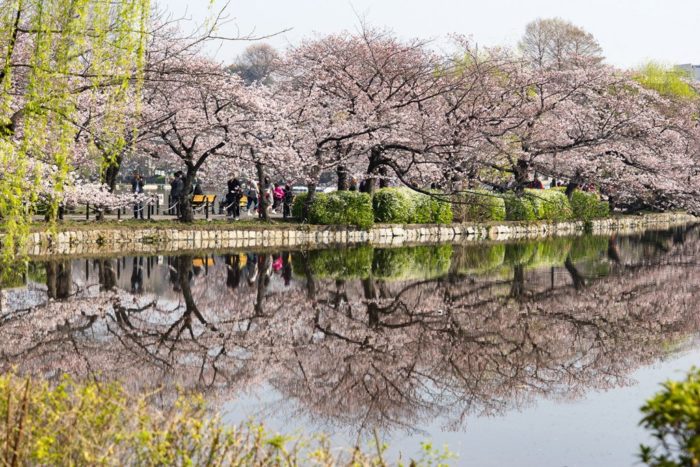
    March to May (cherry blossom season) or October/November.

  3. Trip Length

    Two to three weeks for the classic route.

  4. Currency

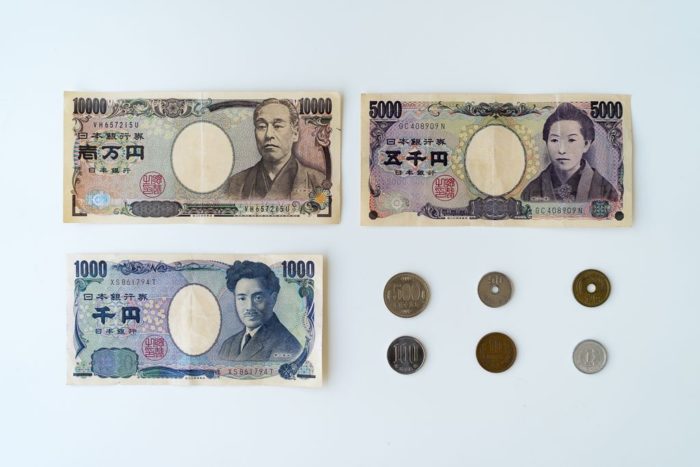
    Yen — and carry cash. Despite being ultra-modern, Japan still runs largely on it.

  5. Tipping

    Don't tip — seriously. It's often seen as rude, not generous.

  6. Getting Around

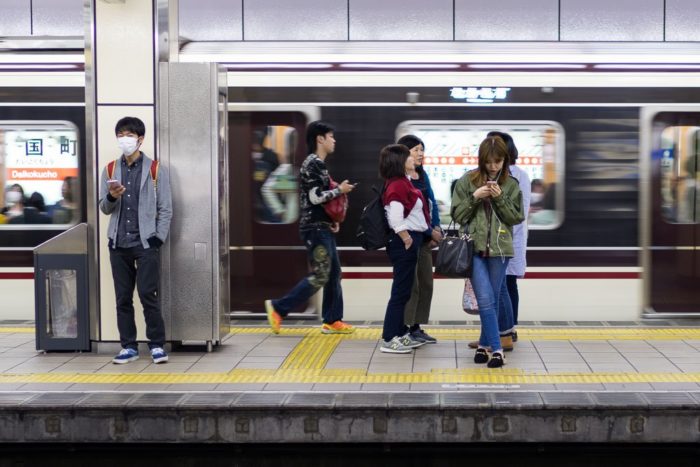
    The Shinkansen bullet train is the way to travel between cities — fast, punctual, and honestly a highlight in itself.

Map of Japan to the overview

Getting Around in Japan

Japan sits in East Asia in the Pacific and is made up of 6,852 islands in total.

The country has several main islands: Honshu is the central one, home to the most famous cities — Tokyo, Kyoto, Osaka, and Hiroshima. To the north you have Hokkaido, and to the south, Shikoku and Kyushu.

On this map, we’ve marked the most important cities to help you get your bearings. They’re all reasonably close to each other — though keep in mind that Tokyo to Hiroshima is still about ten hours by car, so the bullet train is a much smarter option.

Frequently Asked Questions

How big is Japan?

Japan covers an area of 377,835 square kilometers — roughly the size of California, or just a bit larger than Germany.

How many people live in Japan?

Japan currently has a population of 126 million people. That works out to around 337 people per square kilometer, making it one of the most densely populated countries in the world.

What is the capital of Japan?

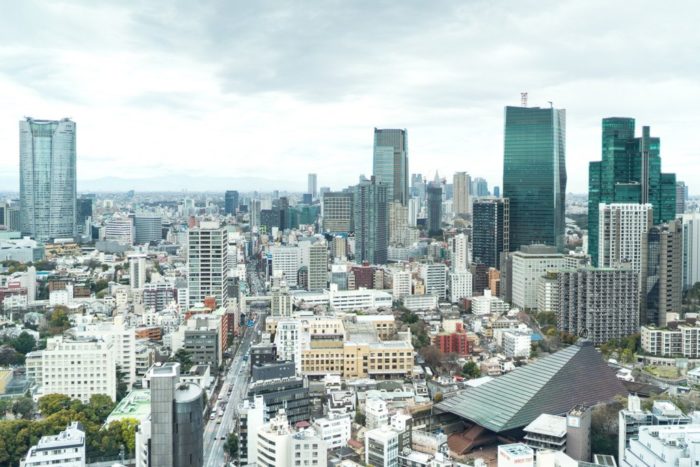
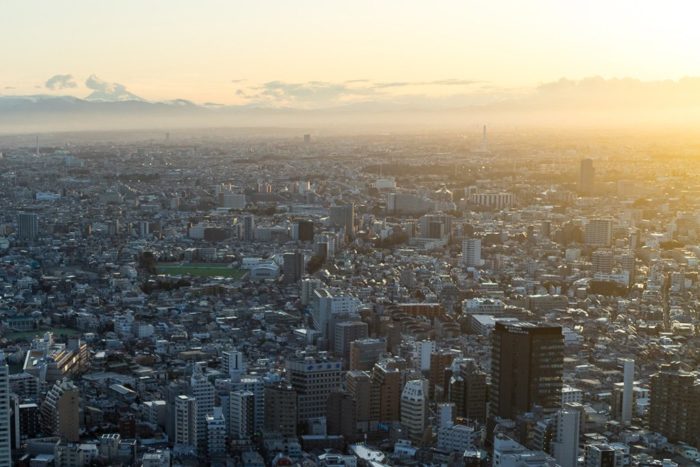
The capital of Japan is Tokyo. With around 9.5 million residents in the city proper and over 37 million in the greater metro area, it holds the title of the largest metropolitan area in the world.

Tokyo is not only Japan’s capital but also the seat of government and the Emperor — known in Japanese as the Tennō.

What languages are spoken in Japan?

The official language is Japanese, spoken by the vast majority of the population. There are also regional dialects — the Kansai dialect, for example, is widely spoken around Osaka and Kyoto.

More and more Japanese people speak English these days, which makes getting around much easier than it used to be. And if the Japanese script worries you, don’t stress: most public places and train stations have signs in romanized script, so you won’t be completely lost.

What time zone is Japan in?

Japan runs on Japan Standard Time (JST), which is UTC+9. There’s no daylight saving time, so the offset stays consistent year-round. Coming from the US East Coast, that’s a 13- or 14-hour difference depending on the season.

What currency is used in Japan?

In Japan, you pay with yen (JPY). Japan is still very much a cash-based society, so it’s worth carrying yen with you — especially outside of major cities. ATMs at 7-Eleven and Japan Post are your most reliable options for withdrawing cash with a foreign card.