alert-circlearrow-rightarrow-up-rightarrow-upasteriskawardbeachcameracarcheckchevron-downchevron-leftchevron-rightchevron-upcirclecityclockclosecompasscurrency-dollarcurrency-euroflagglobehearthotellistmap-pinmenuminusmountainplusrestaurantrocketsearchsmilesocial-facebook social-instagramsocial-linkedinsocial-pinterestsocial-tiktok star-filledstarsuntagtickettrainzap

Israel

Between holy sites, modern Tel Aviv, and the Dead Sea: your overview of Israel.

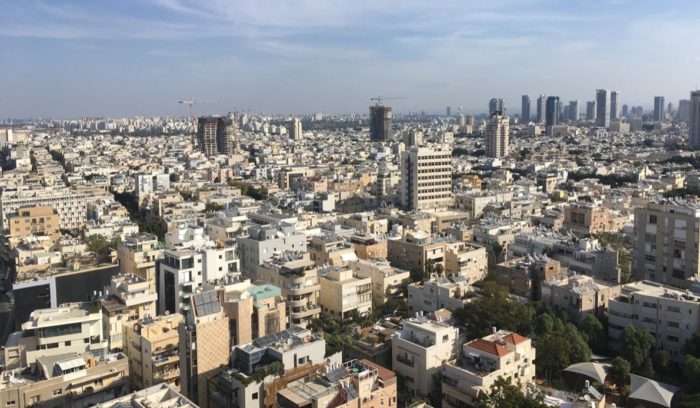
View of Tel Aviv
Overview map of the most important sights in ISrael

Where is Israel located?

Israel sits on the southeastern coast of the Mediterranean. To the north, it borders Lebanon, and to the northeast, Syria. Jordan runs along the eastern side, while Egypt lies to the southwest.

The core territory of Israel is roughly the size of Hesse. Israel also includes several occupied territories.

To give you a better sense of where everything is, we’ve marked the most important cities and attractions in Israel on a map for you.

Our Israel Snapshot

  1. Vibe

    Intense, deeply historical, and seriously great food.

  2. Best time to go

    March to May or September to November.

  3. Trip length

    7 to 10 days to cover the highlights.

  4. Currency

    Shekels — card payment accepted almost everywhere.

  5. Tipping

    10–15% at restaurants is standard.

  6. Getting around

    Rent a car for the countryside; Tel Aviv is super walkable.

Spectacle of color at the Dead Sea in Israel

5 Fascinating Facts About Israel

Israel has around 9.3 million inhabitants

Military service is mandatory at 18 for both men and women — and after serving, many Israelis head straight to South America to travel

Israel ranks among the countries with the highest share of college graduates in the world

The Dead Sea makes Israel home to the lowest point on Earth you can reach by land

A few German words have made it into everyday Israeli language — like “Pudel” (poodle) and “Schlafstunde” (nap time)

FAQ

What is the best time to visit Israel?

Israel has a mild climate, so technically you can visit year-round. That said, the best time really depends on what kind of trip you’re after.

For a beach vacation, June through September is your window — though coastal areas can get pretty humid during those months.

If you’d rather explore actively without sweating through every shirt, April, May, and October are the sweet spot. It’s warm and pleasant but not overwhelming.

What is the capital of Israel?

Jerusalem is the capital of Israel. With around 882,000 residents, it’s the country’s second-largest city.

The largest metropolitan area is the Tel Aviv–Jaffa agglomeration, home to roughly 3.27 million people.

What languages are spoken in Israel?

Israel is a genuinely multilingual country — over 33 languages are spoken in total. The official languages are Modern Hebrew and Arabic, but English is widely used in everyday public life, so you’ll get around just fine as a traveler.

French, Russian, and Yiddish are also widely spoken. And because Israel has welcomed immigrants from all over the world, you’ll also hear Ukrainian, Hungarian, Czech, Kurdish, Persian, and even German depending on where you are.

What is the time difference in Israel?

Israel is two hours ahead of UTC (UTC+2) in winter and three hours ahead (UTC+3) during summer. Israel does observe both daylight saving time and standard time, so the offset shifts with the seasons.

What is the currency in Israel?

Israel’s currency is the shekel (ILS). One euro is currently worth around 3.50 ILS — though exchange rates fluctuate, so it’s worth checking before you go.

Is Israel safe to visit?

Overall, Israel is considered a safe destination for tourists. Popular tourist areas are generally very safe, though you should keep an eye on your belongings as you would anywhere.

That said, you should definitely avoid the border regions with neighboring countries. The Gaza Strip and the borders with Lebanon and Syria are not appropriate for tourist travel at all.