alert-circlearrow-rightarrow-up-rightarrow-upasteriskawardbeachcameracarcheckchevron-downchevron-leftchevron-rightchevron-upcirclecityclockclosecompasscurrency-dollarcurrency-euroflagglobehearthotellistmap-pinmenuminusmountainplusrestaurantrocketsearchsmilesocial-facebook social-instagramsocial-linkedinsocial-pinterestsocial-tiktok star-filledstarsuntagtickettrainzap

France

Between savoir-vivre, world-class museums, and lavender fields: your guide to France.

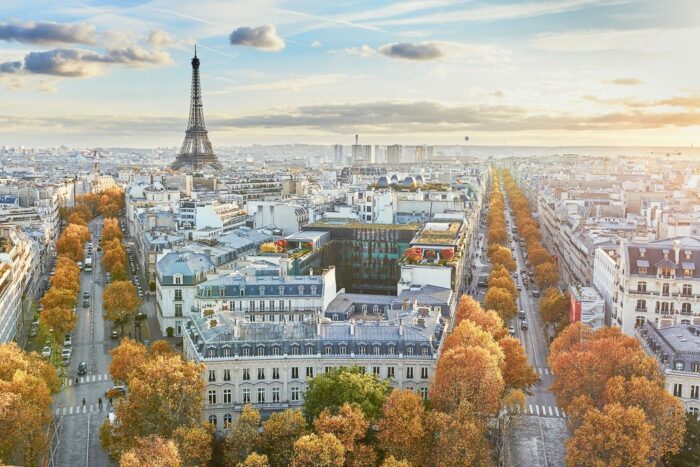
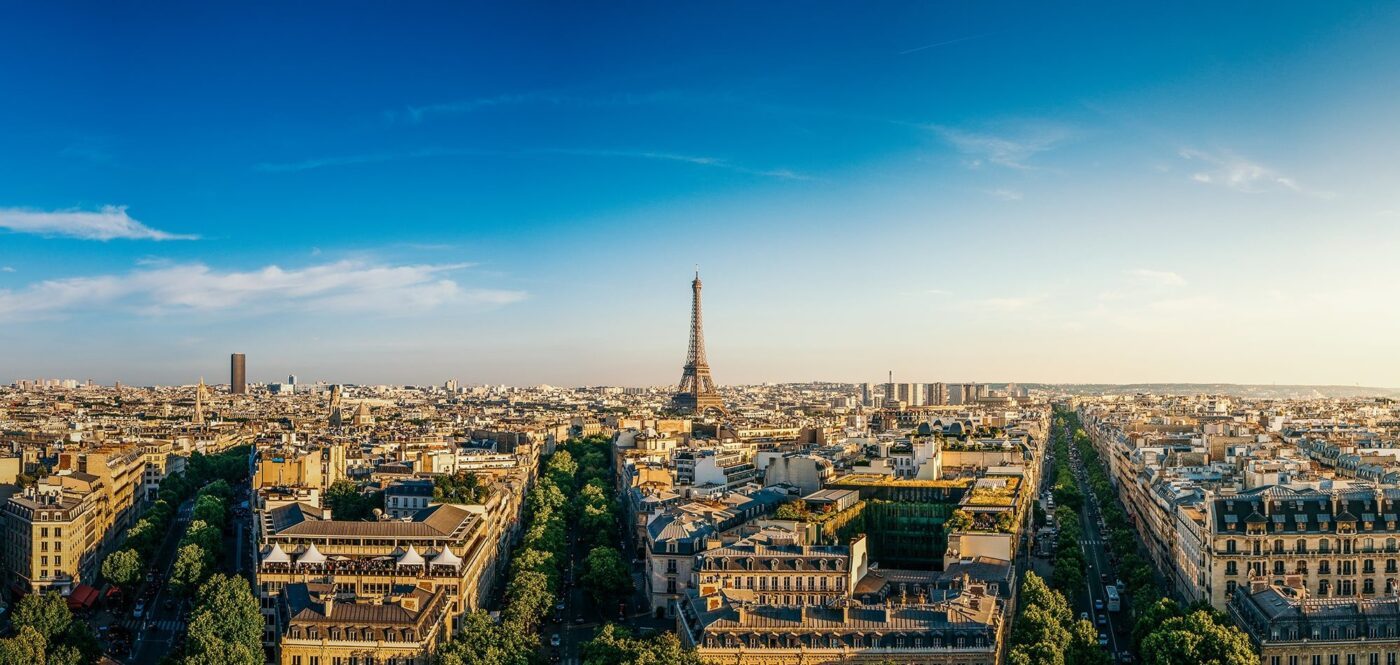
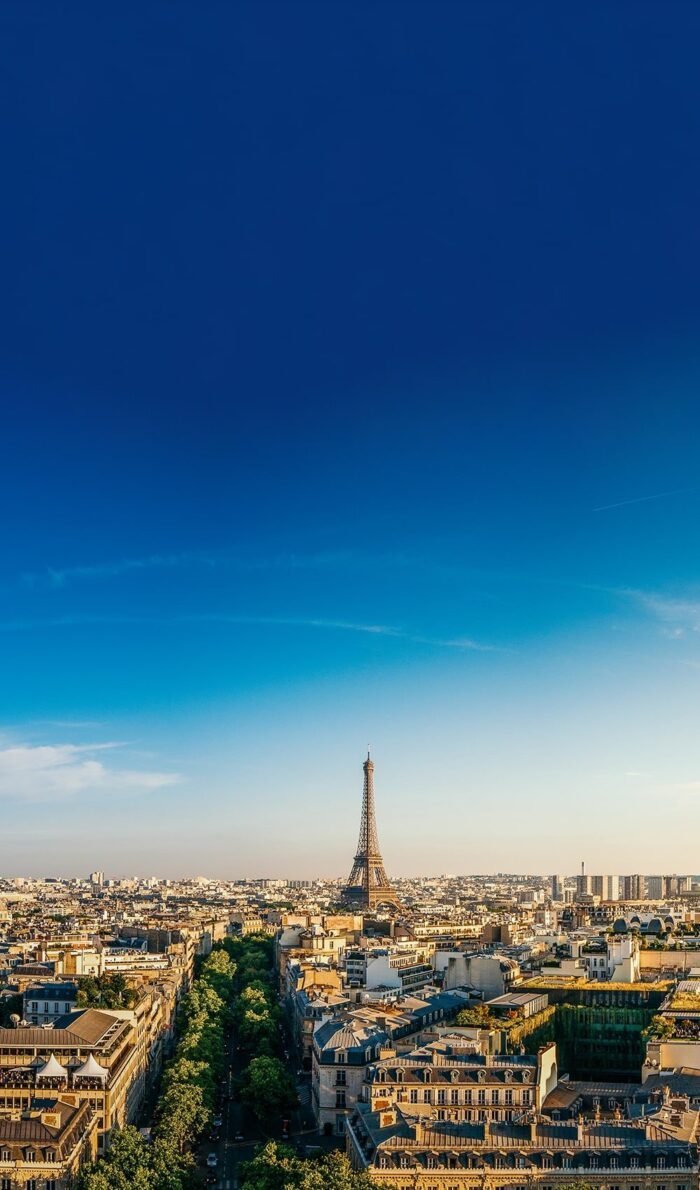
View over Paris
  1. Flair

    Elegant, culinary, and scenically incredibly diverse.

  2. Travel Season

    May through September — or winter if you're heading to the Alps.

  3. Travel Duration

    One to two weeks per region (e.g., Provence) is ideal.

  4. Currency

    Euro — cards are accepted almost everywhere.

  5. Tipping

    A few euros is appreciated but not expected.

  6. Getting Around

    Excellent high-speed rail network (TGV) — or rent a car to explore the countryside.

Frequently Asked Questions

Is France larger than Germany?

Yes — at 632,834 km², France is significantly larger than Germany (357,588 km²).

Keep in mind that nearly 89,000 km² of that total comes from overseas territories like Guadeloupe and French Guiana.

In terms of population, though, France is actually smaller — around 65.5 million people compared to Germany’s 84.1 million.

When is the best time to visit France?

It really depends on which part of France you’re heading to.

Southern France has noticeably milder winters, so places like Biarritz or Perpignan are genuinely enjoyable even in January or February.

Cities like Paris, Lyon, or Strasbourg are great year-round — there’s always something going on no matter when you show up.

Our top pick? May, June, September, and October. The weather is pleasant, the crowds are manageable, and prices tend to be lower. You hit that sweet spot where it’s neither too hot nor too quiet.

July and August are fantastic for a beach vacation, but popular spots get seriously crowded and it can get very hot. If you’re heading to the coast, though, those are your months.

Is France expensive?

Honestly, yes — France is generally a pricier destination. Popular spots like Paris, Nice, and Bordeaux are especially on the expensive side when it comes to hotels and restaurants.

Expect to pay at least 10 euros for a pizza and around 8 euros for a 0.5-liter beer. It adds up quickly.

That said, some things are surprisingly affordable — coffee, baguettes, and croissants won’t break the bank. Local bus and metro tickets run around €1.50 per ride, and public restrooms are almost always free. Small wins!

Is France safe to travel?

France is overall a safe destination. Tourist areas and beach towns are generally very relaxed and comfortable to explore.

In larger cities, though — we noticed it especially in Montpellier and Marseille — there are some neighborhoods where you wouldn’t want to walk alone at night. We never saw anything serious happen, but we did get some unwanted attention in certain areas.

Stick to the tourist zones and nightlife districts and you’ll be totally fine.

Discover more highlights in Europe